Spring and fall are exceptional when planning a trip to Japan, where the country has the most exciting cultural festivals and temperate weather. But there’s more to Japan than cherry blossoms and autumn leaf color. Let’s take a closer look.
Tokyo lies on the eastern shore of Japan’s largest main island called Honshu, with a temperate seasonal wind zone closely resembling the East Coast of the U.S. — warmer summers and snowier winters.
The main difference is that Tokyo doesn’t get much snow in winter and experiences an unbearable “urban heat island” effect similar to Florida and Washington, DC, in summer.
Above all, expect to rain at any time of the year when traveling in Japan, except in Hokkaido’s northernmost part.
We recommend visiting the Japan Meteorological Agency website at https://www.jma.go.jp/en/yoho/ for the most accurate daily weather forecasts.
What to expect in Japan, season by season:
Here are some guidelines to keep in mind when visiting Japan:
Winter (December, January, and February) is marked by snow in many areas, especially in the regions close to the Japanese Alps (Niigata, Toyama, Yamanashi, Nagano, Gifu, and Shizuoka Prefectures). Southern Japan, however, enjoys a warm and generally mild climate. The northern part of Japan has a humid continental climate, where they enjoy cool summers but experience windy and heavy snow.
Spring (March, April, and May) is famous for cherry blossoms blooming throughout Japan and is the year’s most popular time. Expect large crowds and peak season pricing. The monsoon season, however, starts in May.
Summer (June, July, and August) is when most people go to Mt. Fuji for the climbing season. So if you’re looking into conquering Mt. Fuji’s summit, summer is the best time to go, or early September.
Fall (September, October, and November) is among the best times to visit Japan, particularly an explosion of autumn foliage colors surrounding the areas of rural Chubu and Tohoku regions.
What are the best months to visit Japan?
Japan has objectively no best time to visit as each season offers a different experience and spectacular beauty.
Mid-March to early May and mid-October to early December are the best months to visit Japan due to its stunning colors and mild weather.
If you enjoy the snow, low crowds, and value season pricing, January and February are the best months to visit.
What are the worst months to visit Japan?
Japan’s hottest, most humid, most crowded, and busiest season is from June to August. It’s a combination of unbearable heat and humidity in urbanized areas and extremely crowded attractions and theme parks such as Tokyo Disney Resort and Universal Studios Japan. School vacation times in Japan are also from July to August.
If you’re visiting during the summer, it’s a good idea to skip large metropolitan areas such as Tokyo. You will enjoy the cooler temperatures if you plan your trip around beautiful mountain ranges like the Japanese Alps or Hokkaido.
Winter in Japan
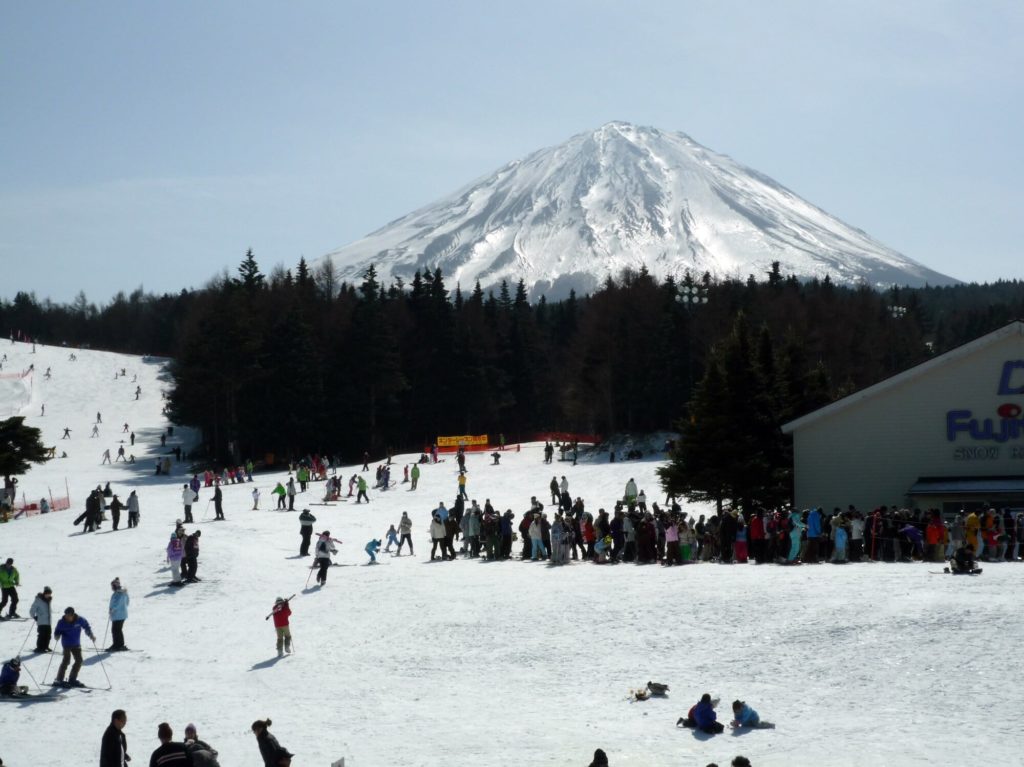
Fujiten Resort
Winter in Japan lasts from December to February.
The average temperature ranges from 2-11 ℃ (36-52 ℉).
Our second favorite time of year due to low crowds and traveling in Japan is cheap. The weather may sound unpleasant to most, but one can easily manage it with the right clothes and preparation. Larger cities have mostly clear skies and offer magnificent views of the snow-capped Fuji from as far away as Tokyo and Yokohama. If you find yourself visiting in February, you can catch the plum blossom season and experience ume matsuri (plum festivals) in Tokyo’s suburbs.
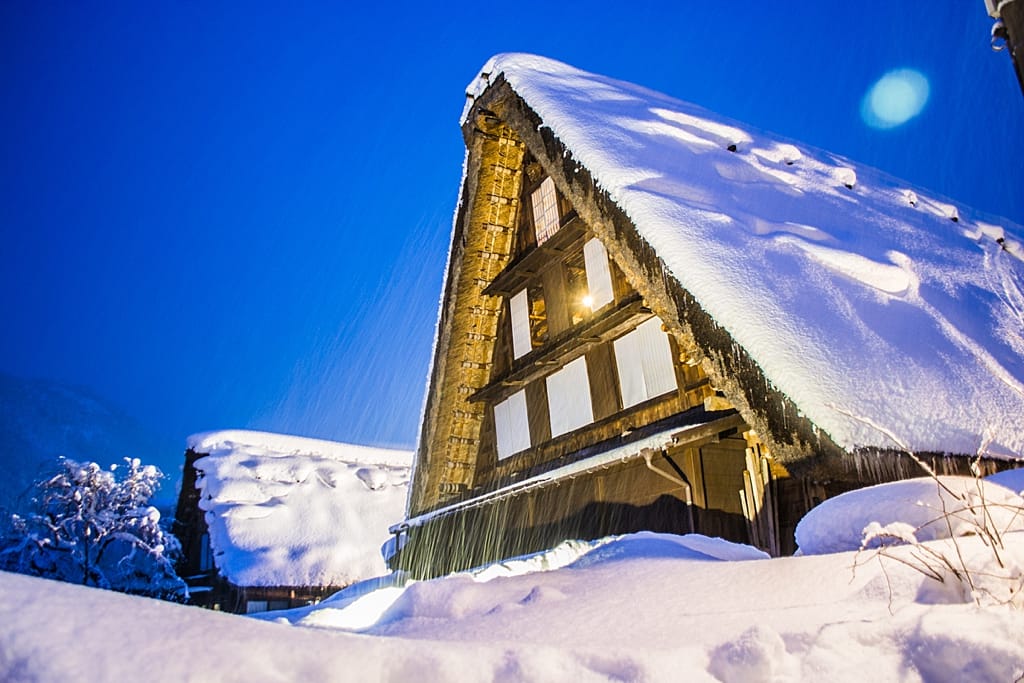
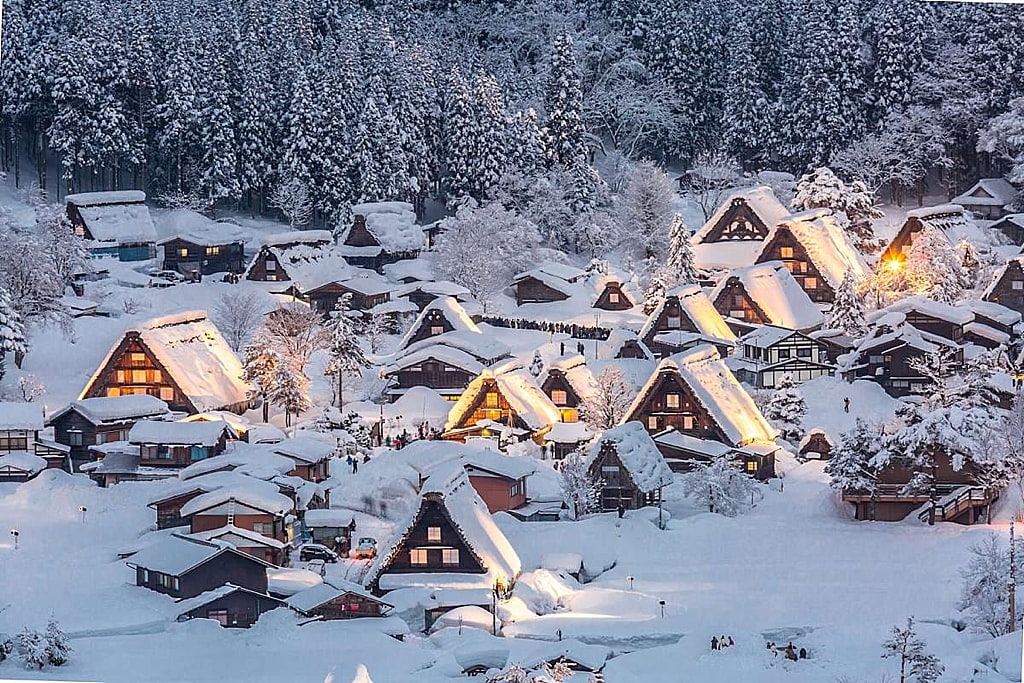
Winter also brings magical, sparkling white blankets to Japan’s mountainous areas, so make sure to visit the popular winter illumination event in Shirakawa-Go for a winter wonderland and Hallmark Christmas experience. Hokkaido in northern Japan takes the cake in winter festivities, however. Their annual Ice Festival in Sapporo offers some of the most incredible ice sculptures you’ll ever see and plenty of opportunities to indulge in local cuisine like the Hokkaido ramen.
The famous Japanese macaques (snow monkeys) in Jigokudani Monkey Park is another full winter experience. They are the only wild monkeys in the world known to bathe in natural geothermal hot springs. Just merely observing them is a unique experience.
Winter in Japan also means visiting museums, slurping ramen, enjoying sake, and soaking in an onsen (hot spring) if you want to stay indoors. On the other hand, Okinawa has a different nature with a subtropical climate where they enjoy mild winters, hovering comfortably from 15-20 ℃ (59-68 ℉) in January and February.
Tips When Visiting Japan in Winter
The air in Japan in winter is arid, often below 40% humidity level. We’d recommend that you stay in hotels rather than cheap Airbnbs. Hotels in Japan provide humidifiers in each room to prevent dry and sore throats while sleeping.
Spend some time exploring the many onsen (hot spring) towns surrounding Japan’s many mountains. Relaxing in an outdoor onsen can be a surreal experience, not soon forgotten.
While Nagano might be the most famous, there are plenty of destinations to ski and snowboard, such as Niseko Winter Resort and Furano Winter Resort, so consider them as well.
Unless you’re explicitly required to travel so, avoid visiting during New Year as the prices for flights and accommodations skyrocket during that time.
Spring in Japan
sepavone /Depositphotos.com
Spring weather in Japan lasts from mid-March to May.
The average temperature ranges from 9-20 ℃ (48-68 ℉), mostly warm and cold, but not hot or extreme cold. However, in early March, you will still feel freezing, especially in the morning.
Thanks to cherry blossoms, botanical wonders, numerous festivities, and mild weather, spring is the most popular time to visit Japan, and tourists will overrun every popular tourist attraction. Accommodations will book up months in advance, leaving few vacancies and peak season rates due to demand.
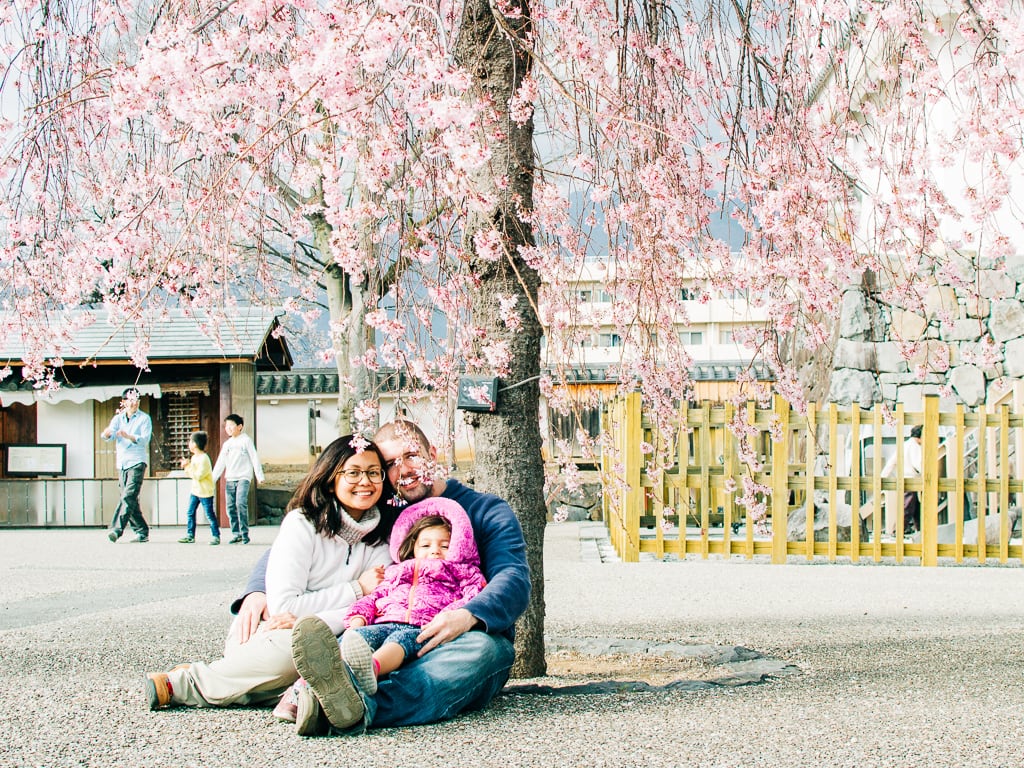
The cherry blossoms in Japan usually bloom around the end of March until early April. These are the loveliest days in larger cities like Tokyo, Yokohama, Osaka, and Kyoto for hanami (cherry blossom viewing). The entire blooming period can last for 10-14 days. But frequent rains can knock the petals off pretty quickly.
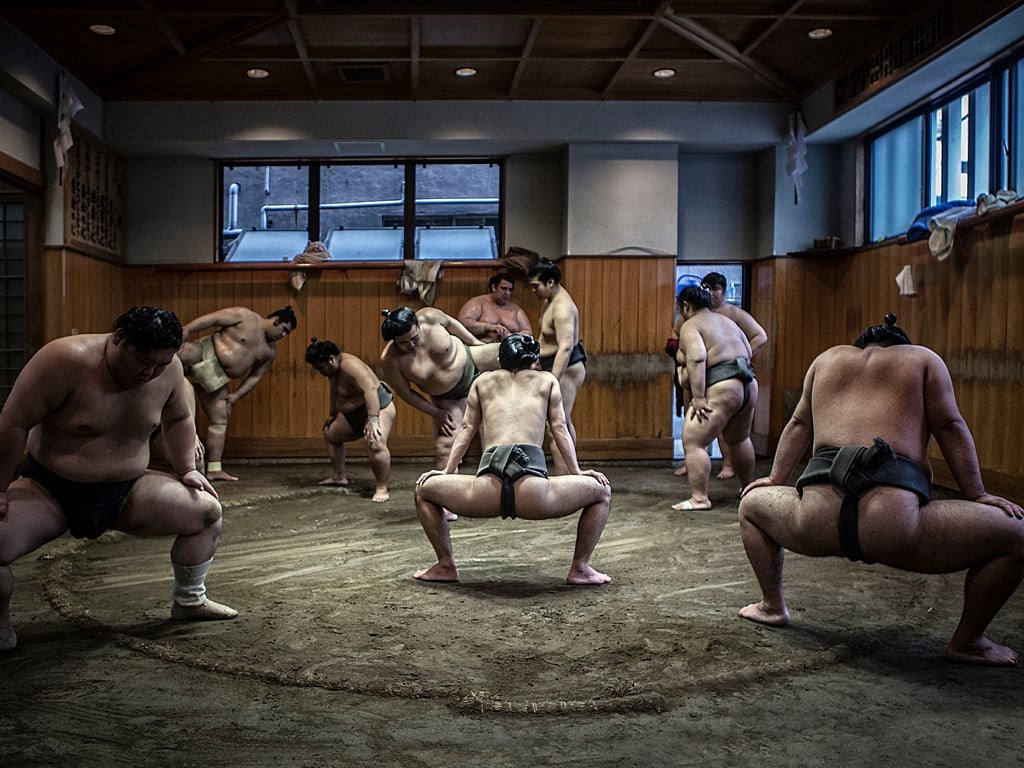
Should you miss the cherry blossoms, you can still experience plenty of spring promises in Japan. Watch a spring Grand Sumo tournament in May, traverse the Japanese alpine routes, or visit other floral hotspots throughout Japan. The wisteria tunnel of Kawachi Fujien Garden in Fukuoka, the Nemophila blossoms of Hitachi Seaside Park in Ibaraki, and shibazakura (pink moss) in Motosuko near Mt. Fuji are just one of the best places to experience the botanical wonders of Japan.
Tips When Visiting Japan in Spring
Prepare and book everything in advance, ideally 6-12 months before traveling.
Pack your weatherproof coat for unexpected showers.
Japan has an incredible amount of pollen from sugi (Japanese cedar) and Japanese cypress trees. Bring some allergy medications even if you don’t usually suffer from allergies, especially if you travel from mid-March until mid-April, the peak pollen season.
Try and find a smaller park with cherry blossoms if possible. Tourists will pack the significant city parks in Tokyo, Kyoto, and Osaka.
Summer in Japan
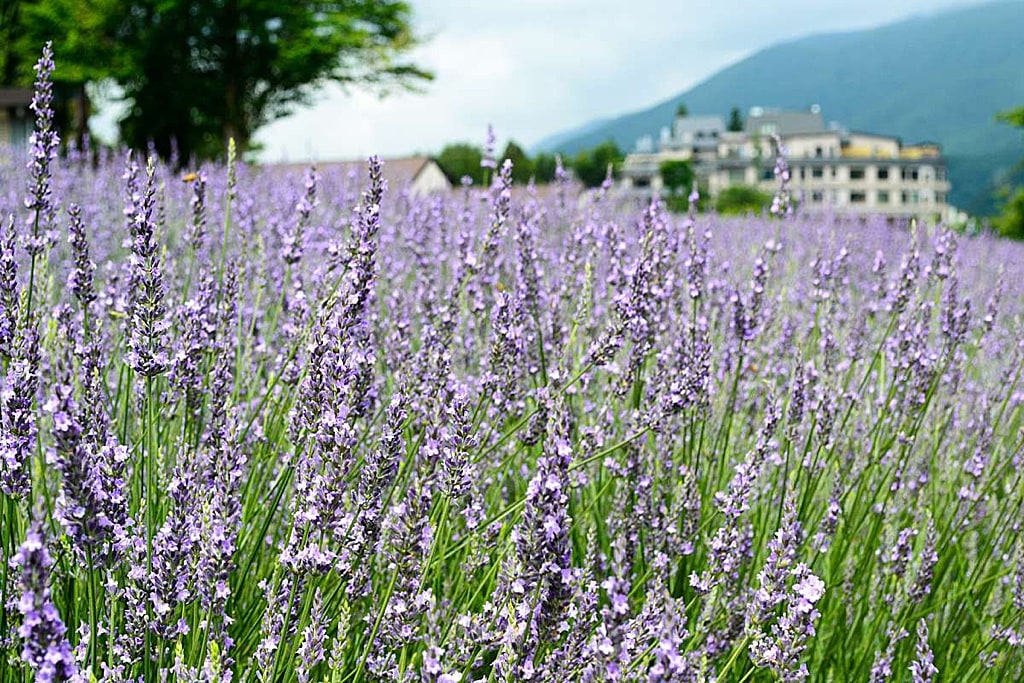
Mt. Fuji and lavender fields in the summer season at Lake Kawaguchi (also known as Kawaguchiko).
Summer in Japan lasts from June to August.
The average temperature ranges from 18-30 ℃ (64-85 ℉).
Still, it often feels much hotter due to the humidity with weeks of rain, which eventually gives way to steamy and often unbearably humid summers. The Japanese have a term for it: mushi atsui which literally translates to “steam and hot.”
Summer also means enjoying vibrant matsuri (festivals), barbeques, ice-cold beer, camping, and witnessing dazzling fireworks. The annual Obon Festival is one of the biggest and most important festivals in Japan. If you’re lucky, you may even get a chance to participate in them as well! For the adventure rush, Japan offers plenty of outdoor activities scattered throughout the country, from the best stretches of whitewater rafting in the town of Minakami to Okinawa’s exquisite underwater seascape perfect for scuba diving.
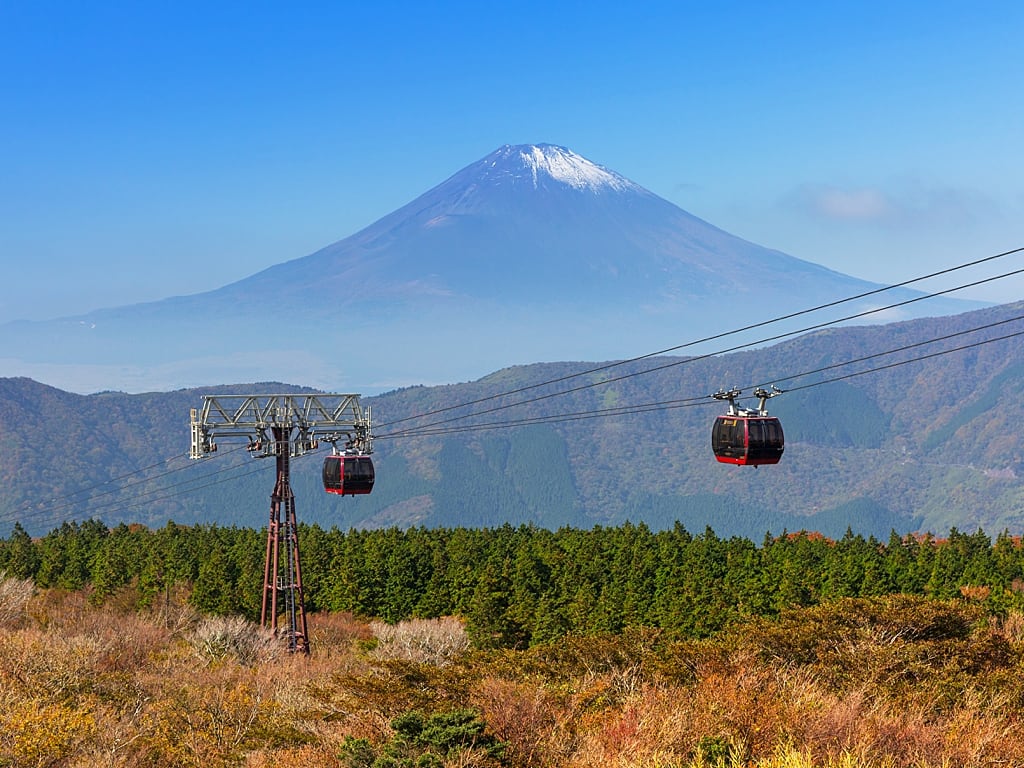
Many climb Mt. Fuji from July until early September. But if you are not ready to conquer its summit, there are plenty of things to do in the surrounding area, especially at Lake Kawaguchi. Fuji-Q Highland, Oshino Hakkai, Chureito Pagoda, and the Lake Kawaguchi Mt. Tenjo Ropeway are just some of the top places where you can admire Mt. Fuji’s majesty from below.
To escape the brutal heat, tailor your itinerary with a visit to the mountain towns such as Matsumoto, Hida-Takayama, and Toyama. Or visit Hokkaido which is charmed by several national parks and sparkling, glittering lakes. These places have much milder climates in summer while still offering plenty of activities and festivals.
Tips When Visiting Japan in Summer
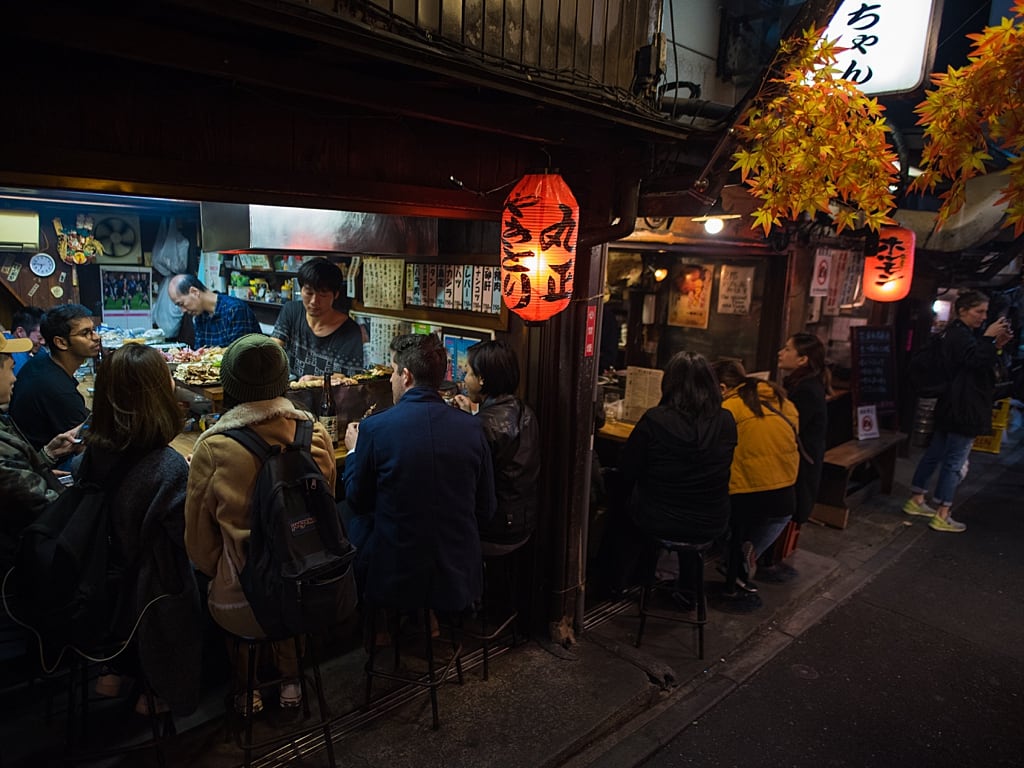
Summer is a time for yatai (food stalls). Indulge your inner bon vivant! Carry cash when you visit food stalls.
Bring a small towel for wiping away sweat.
Typhoon season peaks in August, so keep a close eye on the weather forecasts.
Fall in Japan
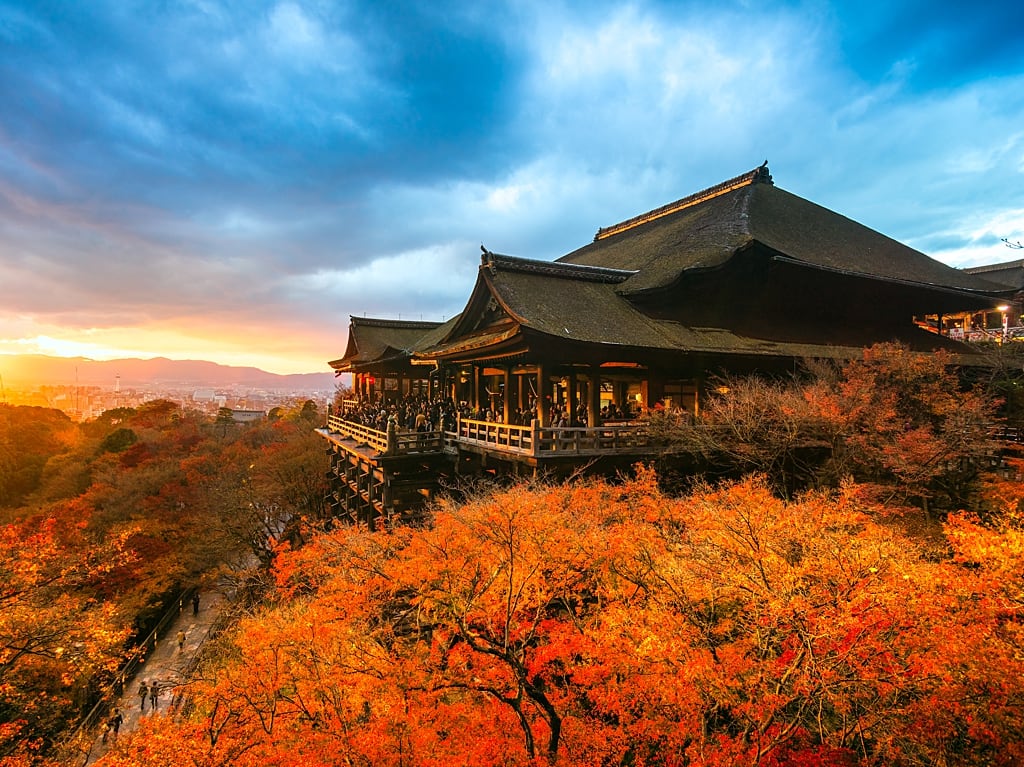
Kiyomizudera Temple, Kyoto
Fall in Japan lasts from September to November.
The average temperature ranges from 9-26 ℃ (48-79 ℉).
The colorful maples and ginkgo leaves make fall the apparent alternative to Japan’s spring cherry blossoms, so it is the second most popular tourist season. Koyo (red leaves) in larger cities such as Tokyo, Yokohama, Kyoto, and Osaka start to change from mid-November to early December. The clear skies and changing leaves make for some spectacular views from atop the many mountains, so hiking and landscape photography are prevalent this year.
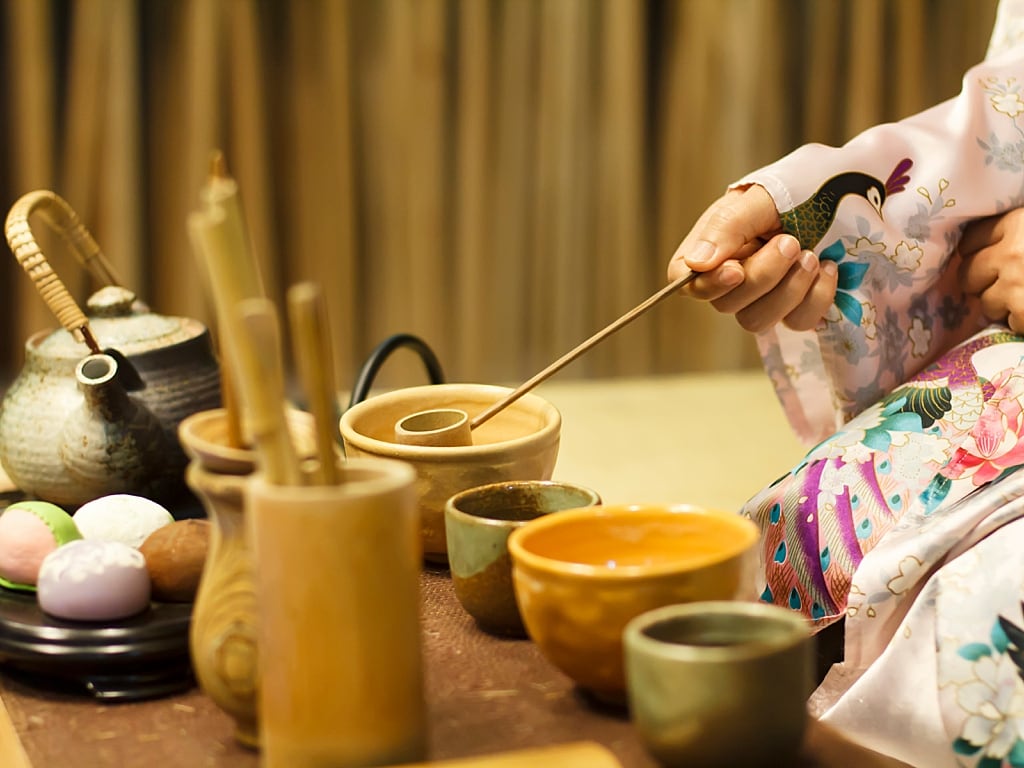
Cultural activities take center stage during this season as well. Make sure to include Japanese experiences such as watching the autumn Sumo Grand Tournament, cooking classes, tea ceremonies, kimono experiences, and traditional arts and crafts. Many festivals throughout the country also happen in October. One of the most impressive festivals is the Takayama Autumn Festival which takes place every October 9-10. German Christmas markets and winter illuminations in Sapporo, Tokyo, and Osaka starts in November.
Tips When Visiting Japan in Autumn
As with the spring, autumn travel requires a bit of lead time when booking your trip. So try to plan and reserve everything at least six months ahead of your flight.
To avoid the large crowds of tourists (or ‘leaf peers’ as we call them in Maine), visit more rural areas of the Chubu and Tohoku regions where their vast deciduous forests cast aside their emerald hues for vivid reds, yellows, and oranges.
To avoid the peak typhoon months, consider delaying your trip to November until early December. There are still plenty of places for fall foliage viewing if you can deal with the slightly cooler temperatures.
Conclusion
Planning a trip to Japan requires extensive research and preparation. Deciding on the best time to visit ultimately comes down to your personal preference. Do you want to see the cherry blossoms, climb Fuji, or take part in winter activities? Then you’ll need to travel during the corresponding season for each. Take a look at the activities and experiences you find most important to your itinerary and plan around that.
Many travelers in Japan often find themselves frustrated during the summer when they can’t catch a glimpse of Mt. Fuji. This frustration may stem from following a tiring day trip suggested by a Japan guide website, staying at an Airbnb or hotel far from the train station, or struggling to find a trip that fits their schedule.
These issues typically arise from poorly designed itineraries, insufficient planning, or relying on misleading or outdated information from websites and guidebooks. As emphasized before, your itinerary doesn’t have to mimic what’s found online. The key is organization, understanding your interests, and crafting an itinerary that strikes the right balance between activities and rest days tailored to your preferences.
Below are the steps to planning, organizing, and researching needed to create the perfect itinerary for your trip to Japan:
1. Decide whether you want to plan your own trip or use a Japan travel specialist.
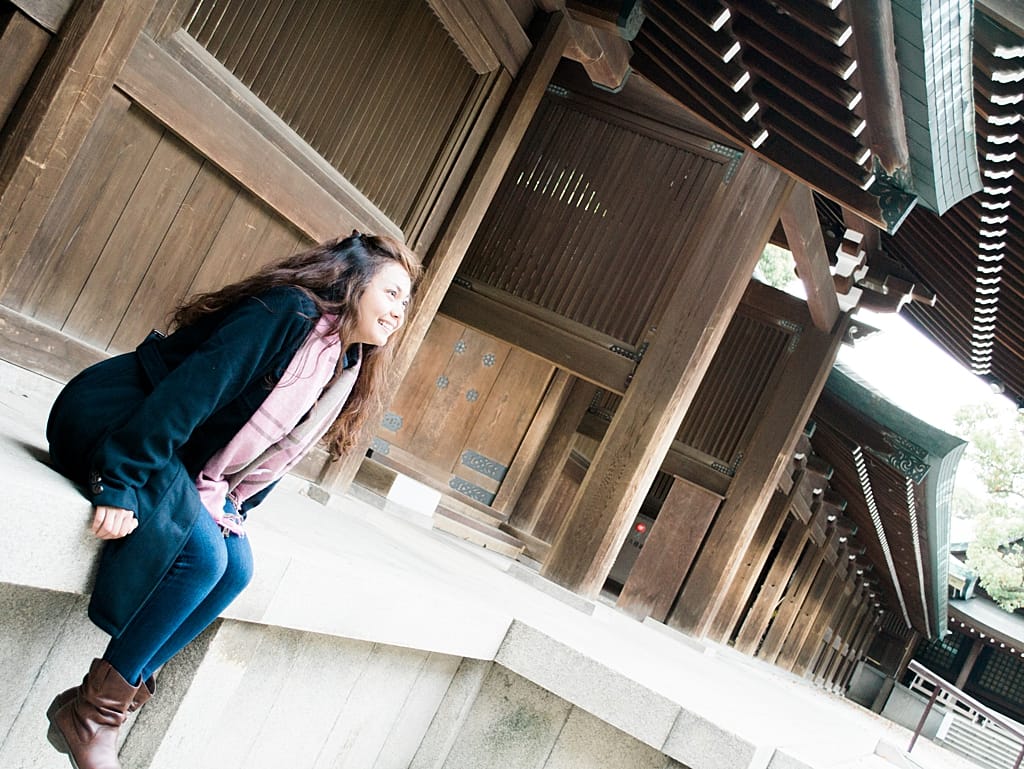
Me in Meiji Shrine.
Japan is a fascinating mix of traditionalism and modernity. It’s safe and clean, and the people are incredibly polite. The transportation system is safe, fast, and efficient, and is easily the best in the world. But as with any place, there are certain issues that can hinder the traveler. Despite the politeness of its people, there are still locations that are off-limits to “gaijin” (a somewhat rude term for foreigners), which can include certain restaurants, hotels, stores, and bars. And while the transportation system is certainly great, it can be very confusing for first-timers, and you could easily end up on the wrong train or bus, or miss them altogether.
Japan also doesn’t name its streets, so it’s easy to get lost in unfamiliarity. And despite being the host of the Summer Olympics, you’ll definitely still encounter language barriers. If all of that sounds a bit daunting for you, then you might want to consider hiring a travel advisor specializing in Japan travel. Even if you are well-traveled, Japan is a destination where you want insider knowledge to help alleviate the language barrier, avoid tourist traps, and minimize the common problems mentioned above. An advisor can also provide you with travel tips that you might not be able to find online when planning your own trip.
1.1. Planning and booking everything on your own
For some, planning and booking everything on their own is attractive since it saves money. But that also means spending a lot of time researching and planning. Should you decide to plan the trip on your own, Japan Guide Books and the Japan National Tourism Organization can be great resources. However, remember that the information listed in these resources will be presented in the best possible light, which may lead you to rely on travel blogs. But an extra precaution is needed when referring to them. Most are “paid” or “sponsored” and often receive incentives to be positive, so these websites can sometimes be even more unhelpful. Don’t get me wrong, there are plenty of reliable travel blogs out there, and I’d like to think we’re one of them, but I suggest looking at a few smaller blogs to get a more balanced consensus, then make your decision. Within the community of do-it-yourself Japan trip planners, four issues stand out the most: the wrong choice of accommodation, over-packing, a too-full itinerary, and selecting popular tourist traps. These are common mistakes which, I admit, I myself have been guilty of committing on occasion.
One area of trip planning that almost always requires outside help is when people want to treat themselves to a VIP-like experience, such as dining at a Michelin-star restaurant or having dinner with a modern-day authentic Geisha. If you’re planning everything for yourself, you won’t be able to experience those without strong Japanese language skills, connections with the local operators, and a lot of luck. All of those things often make it more trouble than it’s worth. So in summary, planning your own trip to Japan has the following advantages and disadvantages:
Pros:
You could save money.
You can book using your travel points or rewards deals.
Can be a more personalized experience, if done right.
Ideal for return travelers.
Independent travel.
Cons:
You can’t Google search your way to an insider’s knowledge and expertise.
1.2. Booking a Japan package tour by using a travel advisor
There are many Japanese package tours online, and as a traveler, you can book directly with them. The problem with this is that there are many excellent and reputable tour operators specializing in Japanese travel packages that cannot be found in Google search results. This is where a travel advisor comes in. Ideally, you want to consult with a travel advisor that specializes in Japanese travel. Contrary to popular belief, using travel advisors are not always expensive. They may charge a fee for consultation, but many find it worth the extra cost to remove the burden and frustration of planning for their trip. They can even find package deals that are hard to come by online, and they can pass on the savings to you by letting you book the trip without a markup, which is a win-win.
Our tip is for you to work with a travel advisor who either lives in or has traveled to Japan within the year. Japan is ever-changing so you want to work with someone who’s up to date with the latest information on top Japanese experiences.
Summary of package tours advantages and disadvantages:
Pros:
Research, planning, and logistics are already taken care of.
It can be personalized up to a certain extent.
Access to exclusive and authentic Japanese travel experiences.
Access to a wealth of knowledge and experience about Japan that can provide you with advice and suggestions according to your needs and interests.
Save time and money if they find a crazy Japan travel package deal for you.
Cons:
Fees can vary between a flat rate and per day.
Can’t book using your points or travel rewards.
1.3 Hire a Japan trip designer for a fully-customized tour.
While it may sound similar to a travel agent or advisor, hiring a trip designer is on a completely different level. Whereas an advisor can help with an itinerary, match you to a tour, and even customize some aspects of it, a designer builds your trip completely from scratch, and the itinerary is highly personalized around you. If you opt for this route of trip planning, it is undoubtedly the most costly of all as most trip designers charge a fee based on the number of days you are traveling to Japan. Despite the cost, the experience can be quite luxurious as these trip designers have special partnerships with many suppliers in Japan that can offer you exclusive access to activities and experiences you can’t get anywhere else. Additionally, they book everything for you. Your itinerary is truly tailor-made compared to packaged tours where choosing your own accommodations is often not allowed.
Pros:
VIP treatment.
Research, planning, and logistics are entirely taken care of.
Your trip is highly personalized and fully tailored around you.
Can accommodate specialized needs and interests (senior, wheelchair travel, large group, etc.)
Can remove all communication barriers.
Access to select exclusive Japanese travel experiences.
Access to a wealth of knowledge and experience about Japan that can provide you with advice and suggestions according to your needs and interests.
Cons:
Is very expensive.
Constant back-and-forth communication is involved until everything is in agreement.
Michi Travel starts from $1,000 per person per day.
Japan and More start from $197 per person per day + final costs of all bookings.
Now if you’re ready to move on to planning, organizing, and finalizing your itinerary on your own, proceed to the next section!
2. Find out when you would like to visit Japan.
If visiting in winter, create an itinerary based on winter highlights of Japan. This photo was taken in Shirakawa village, a UNESCO World Heritage Site.
Japan’s climate is similar to a state like Virginia, and by that I mean the seasons can vary wildly. So summer can be brutally hot and humid and winter can be very cold and windy. The main difference here is that Japan gets more rainfall and snow than a place like Virginia.
Here’s a quick overview relating to visiting Japan by season:
Winter (Dec-Feb)
Least amount of travelers and the least expensive season. The off-season time to travel to Japan, but be prepared to tackle the cold.
The major winner when traveling to Japan in winter is Japan’s world-class ski resorts.
Winter Illuminations are also everywhere, which are beautiful at night.
Best of all if you’re around Tokyo, Mt. Fuji has a much higher chance of visibility in the winter.
Spring (March-May)
Spring in Japan is undoubtedly the most beautiful time to visit due to cherry blossoms.
The blooming of cherry blossoms makes this Japan’s peak season for tourism, so expect flights and accommodations to be very expensive.
Timing (and luck) is everything here since rain is frequent and can knock the petals off the cherry blossom trees pretty quickly.
Expect large crowds at each attraction.
Summer (June to August).
Summer in Japan is incredibly humid and hot.
It’s also typhoon season, which reduces the number of tourists unless they plan to climb Mt. Fuji.
Despite the weather in summer, Japan is full of vibrant and lively festivals (matsuri) and firework festivals (Hanabi).
To stay away from its brutal heat, it’s best to design your itinerary to visit places in the northeast region for a milder climate, the island of Hokkaido, or the mountainous areas, like Gifu, Fuji, or the Nagano Alps.
Autumn (September to November).
Autumn in Japan is another popular time of the year to visit.
The most ideal weather for travel.
The red leaves offer a great alternative to the pink hues of spring. But unlike in the east coast U.S., leaves in larger cities, such as Tokyo and Yokohama, start to change from late November to early December.
Just like cherry blossom season, the koyo (red leaves) season is a popular time of the year to visit Japan. So be prepared to battle with slightly higher accommodation prices.
3. Assess your destinations based on the season of your visit.
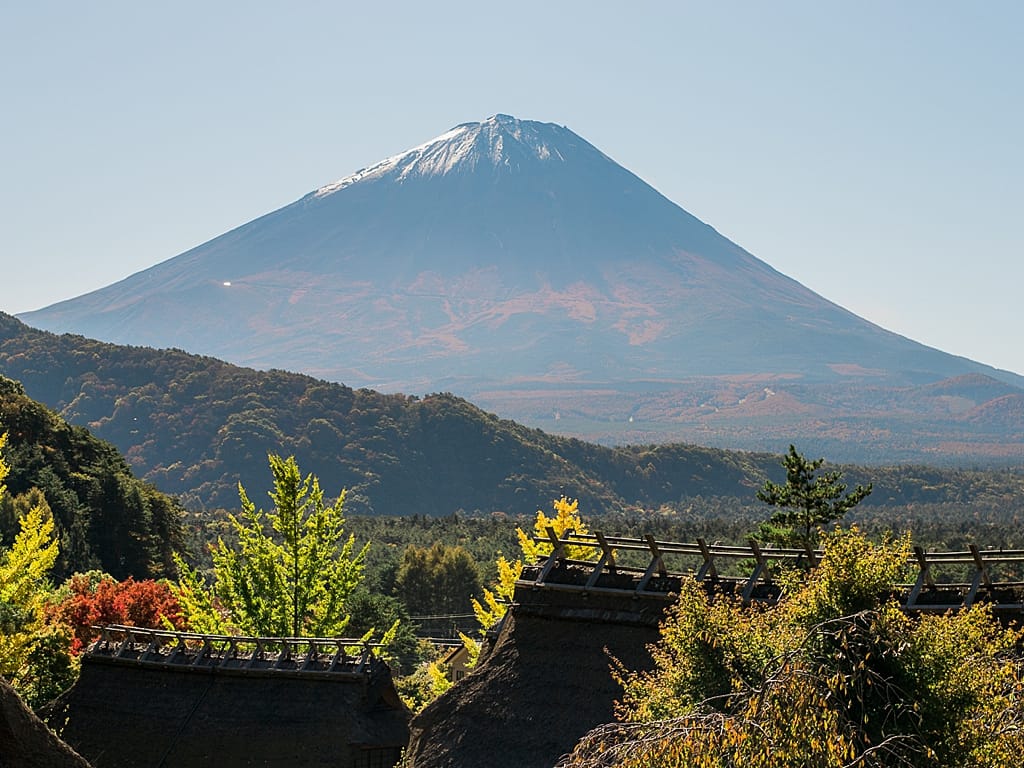
Fall and winter are the best seasons to view Mt. Fuji. Photo taken in Iyashi No Sato Nenba near Lake Sai (one of the Fuji Five Lakes).
Once you determine the timeframe you’d like to go, you can move on to determining the best destinations to explore during your visit. Each season in Japan has its own pros and cons and we suggest that you visit the places that are their best during that time of year. If this is your first-time visiting Japan, it’s no brainer to include the “Three Classics” in your itinerary: Tokyo, Kyoto and Osaka.
Some people say it’s not always necessary to visit the three but I disagree. Tokyo, Kyoto, and Osaka are the three most culturally relevant cities in all of Japan, and visiting them allows you to see how varied the Japanese culture truly is, despite the islands small size. But that’s just my opinion.
4. Determine your trip length.
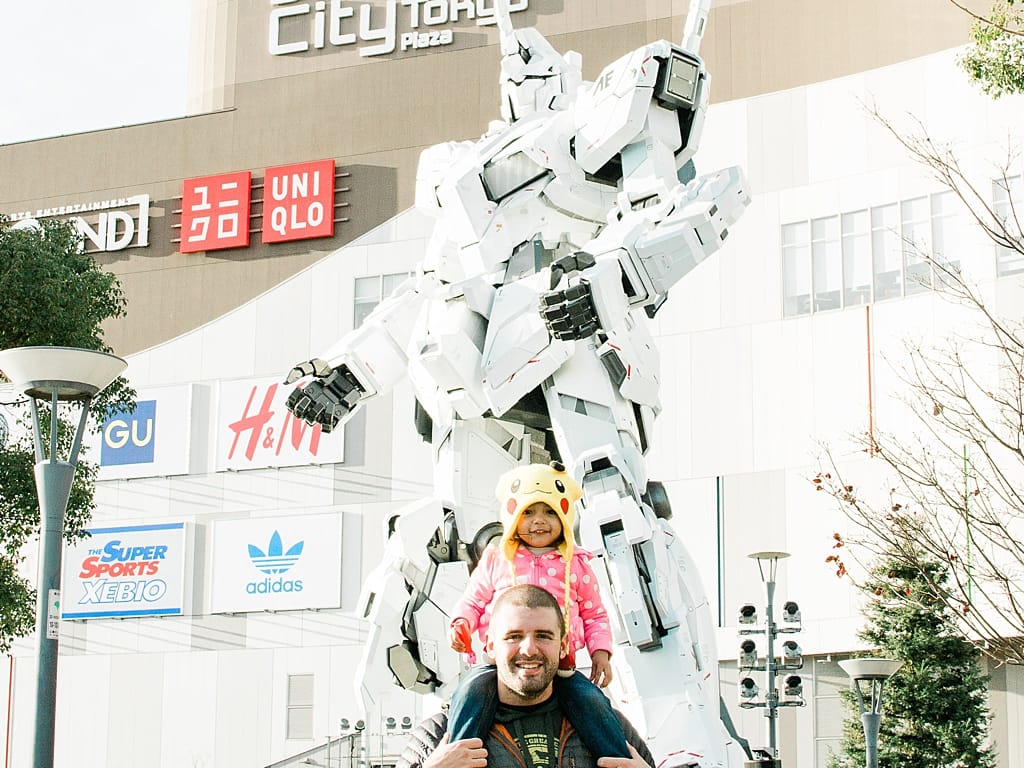
A day trip to Odaiba. The photo was taken in DiverCity Tokyo Plaza with the Giant Gundam.
Two weeks (14 days) is the most common trip length for both first-time and repeat travelers to Japan. So be prepared to cash in on some of that leave time from your workplace!
If you want a more “wallet-friendly” trip while still tackling the Three Classics, it can be done in as short as 7 nights (8 days). If doing the 7 nights, we find it more practical, time-wise and money-wise, to make your air travel an “open-jaw” itinerary, where you fly into Tokyo and fly out of Osaka or vice versa, in order to make the most out of your time during your trip.
If you’re a bit of a Japanophile and feel like returning again and again (for sure you will), we suggest that you limit yourself to one region at a time instead of cramming your itinerary with too many things. Also, despite what you might have heard, getting the Japan Rail Pass (JR Pass) is actually often a bad idea unless you plan on using the bullet trains constantly since most efficient itineraries can keep the cost below that of a JR Pass.
5. Organize and finalize your itinerary.
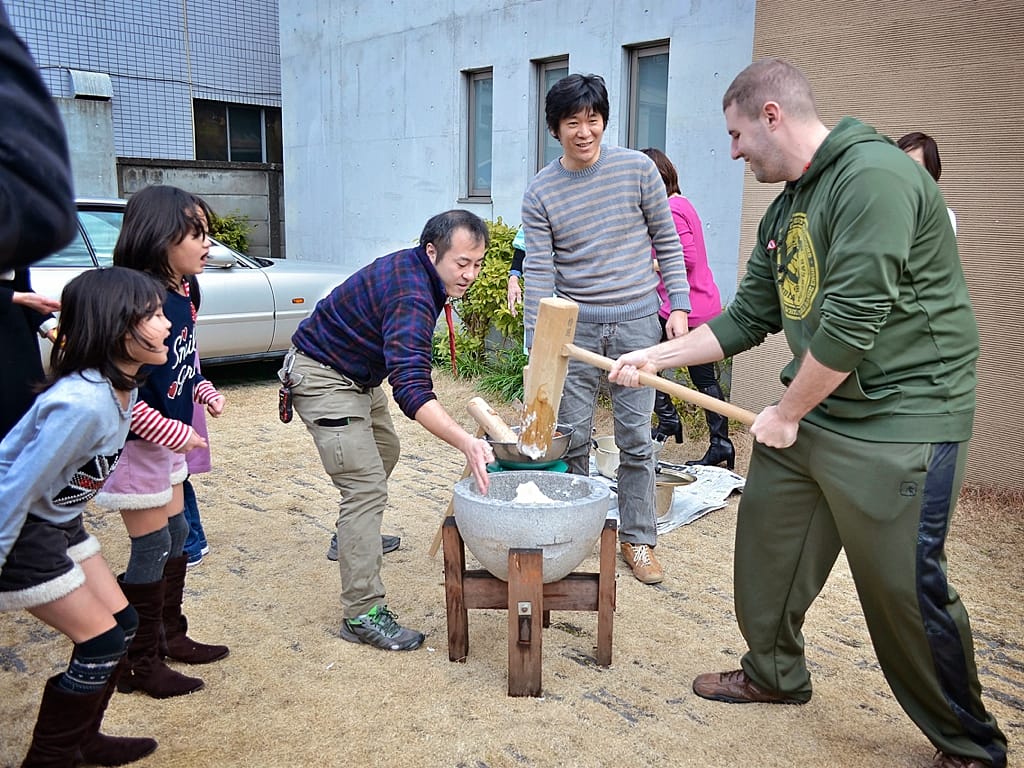
A friend introduced us to her church community in Tokyo and we experienced mochi rice pounding!
Here are my top tips when finalizing your itinerary:
Include one or two Japanese experiences. Watching a Sumo match, participating in a “true” tea ceremony experience, bathing in an onsen, staying at a ryokan, and cherry blossom viewing are a few examples.
For activities, make sure to book them well in advance. If you want to watch a grand sumo tournament or visit Ghibli Museum, those things require advance reservations. Don’t wait to do those activities until you arrive, because Japan is big on reservations!
Make a balanced itinerary. Include some rest days or countryside day trips.
Make sure your itinerary is realistic and works well with your physical abilities. Avoid an itinerary that is packed. And if you’re a family with small children or have a wheelchair, ensure the destination or attraction is a stroller and wheelchair accessible, because this is not a given in Japan as it is in other places.
If you know someone in Japan, consider meeting up with them on your rest day. If you don’t know anyone, join a local food tour. Take some time and make a new friend! It’s nice to meet up with a local and experience more of the Japanese culture with them.
Have someone critique your itinerary. Post on forums like TripAdvisor or Reddit and have someone critique it to see if it’s doable or not. A lot of members are actually helpful.
One of the most beautiful flowers in Japan, cherry blossoms can be found throughout and span a wide range from late March to early April. This deep-rooted association with Japanese culture has made it a popular time for tourists and locals alike! So if you’re going on your next trip to this country, make sure not to miss out on experiencing these beautiful trees at their peak bloom (and smell!)
People from all over Japan flock to Meguro River, Ueno Park, and Yoyogi Koen in Tokyo to participate in the hanami tradition during the cherry blossom season. If Mt. Fuji interests you, try going up to the Kawaguchiko area, which overlooks those enormous pink hues against the mountain backdrop. If that’s not enough for your taste, go south towards Kyoto and Nara, there are many more beautiful spots like Maruyama Park or Mt. Yoshino.
You won’t want to miss out on seeing these beautiful flowers while they’re still around because once they’re gone, they’re gone until next year! So get ready for a fantastic experience as soon as possible by booking flights or hotels right now. And don’t forget about taking pictures with sakura trees everywhere throughout the city!
In 2020, we published a forecast for 2021 based on data from the Japan Meteorological Agency. We’re happy to say that we’ve confirmed the success of our projections in 2021! This year 2022, we will continue with our cherry blossom forecasting for Japan. Our methodology involves using previous data and statistical analysis.
When did the cherry blossoms bloom in 2021?
In 2021, mainland Japan’s cherry trees bloomed from March 14th through April 9th, and northern Hokkaido’s cherry blossoms appeared from April 30th to May 2nd.
The cherry blossom blossoming dates in Japan’s top destinations for 2021 are as follows:
Sapporo: Flowered: April 22 / Fully Bloomed: April 27
Aomori: Flowered: April 13 / Fully Bloomed: April 17
Sendai: Flowered: March 28 / Fully Bloomed: March 31
Takayama: Flowered: March 16 / Fully Bloomed: March 27
Tokyo: Flowered: March 14 / Fully Bloomed: March 22
Mt. Fuji Five Lakes: Flowered: March 30 / Fully Bloomed: April 4
Kanazawa: Flowered: March 23 / Fully Bloomed: March 29
Kyoto: Flowered: March 16 / Fully Bloomed: March 26
Osaka: Flowered: March 19 / Fully Bloomed: March 28
Nara: Flowered: March 21 / Fully Bloomed: March 30
Hiroshima: Flowered: March 11 / Fully Bloomed: March 25
Matsuyama: Flowered: March 15 / Fully Bloomed: March 27
Fukuoka: Flowered: March 12 / Fully Bloomed: March 22
Naha, Okinawa: Flowered: January 4 / Fully Bloomed: February 1
When will the cherry blossom bloom in 2022?
For 2022, the cherry blossom season is expected to arrive earlier than 2021 as winter in Japan have been warmer than normal. And because of that, the arrival of spring, and the cherry blossoms, should be earlier than last year.
As of writing, Japan Meteorological Agency has not released the cherry blossom forecast for 2022. Remember that these are just forecasted dates and are in no way an exact science. That way, you can plan your trip (and clothes) accordingly. Cherry blossoms are said to be fickle. This means it can be difficult to predict when the flowers first open and reach its peak bloom. Due to the combination of various weather factors such as the wind, region, temperature and rain, the duration of the bloom is also affected.
Best places in Japan to see the cherry blossoms
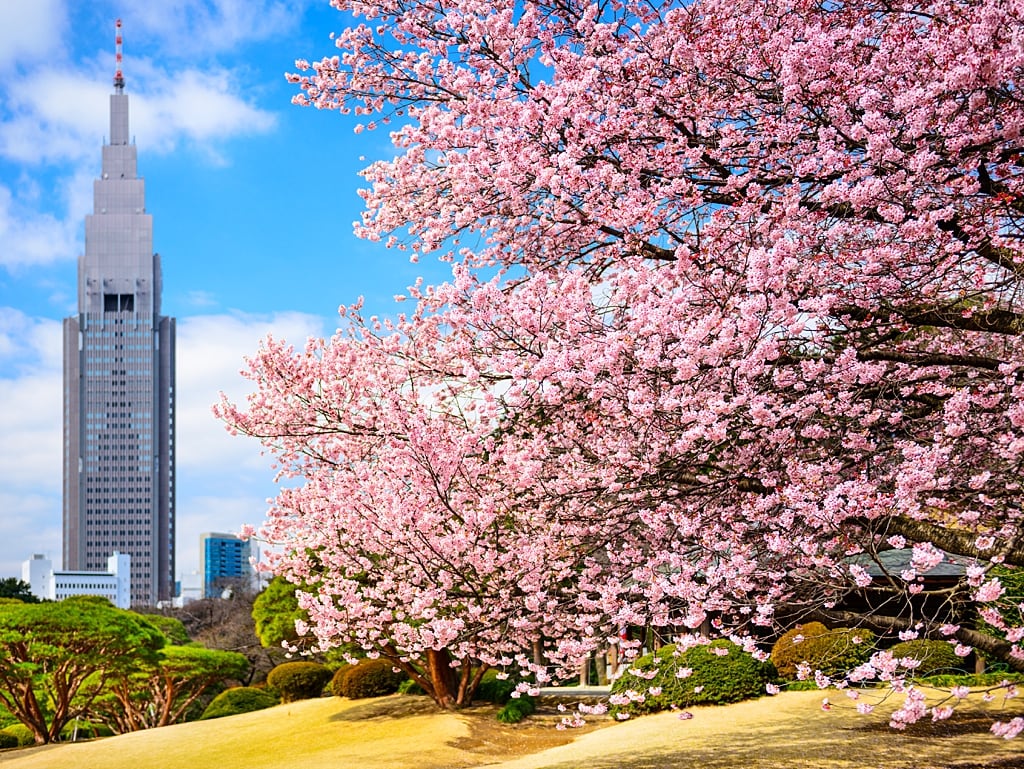
1. Shinjuku Gyoen, Tokyo
Best time: late March to early April
Located at the center of Tokyo, this 58 hectare national garden hosts approximately one thousand cherry trees of different varieties. If you have failed to see the cherry blossoms in full bloom, then walking around this park can still give you the chance to witness the other varieties bloom.
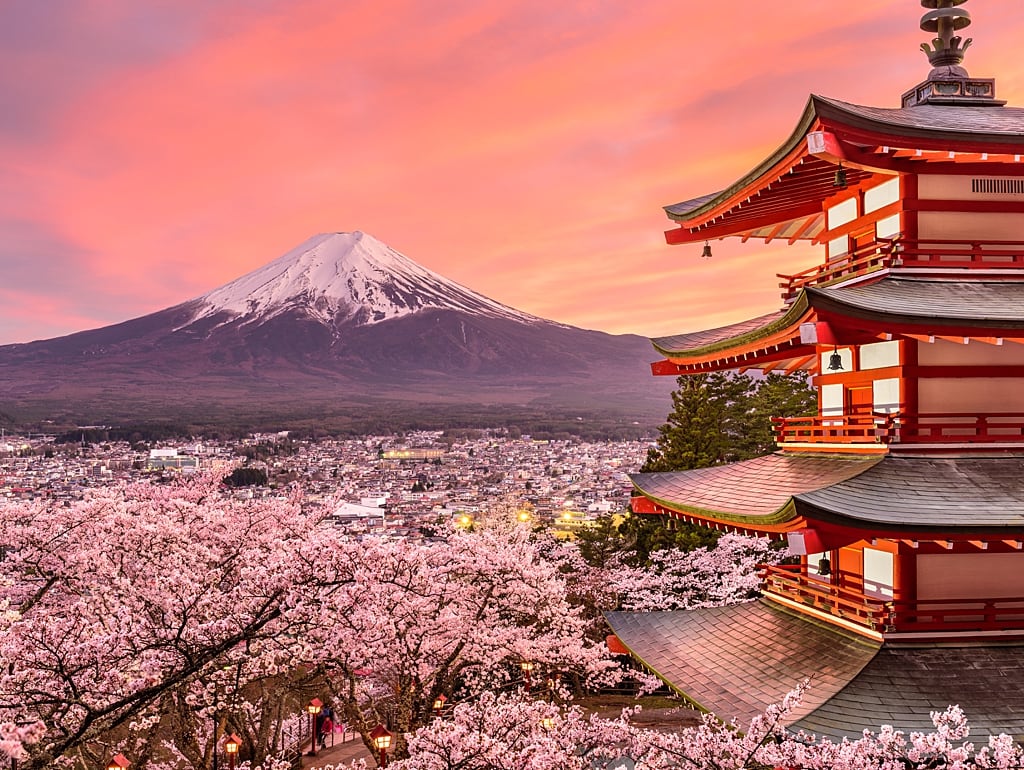
2. Chureito Pagoda, Fuji Five Lakes
Best time: early to mid April
Picture perfect is the best way to describe this place which is surrounded by cherry blossoms. It is a UNESCO heritage site and offers one of the best views of Mount Fuji. At night, it gets even more magical as the trees are illuminated with red and white lanterns.
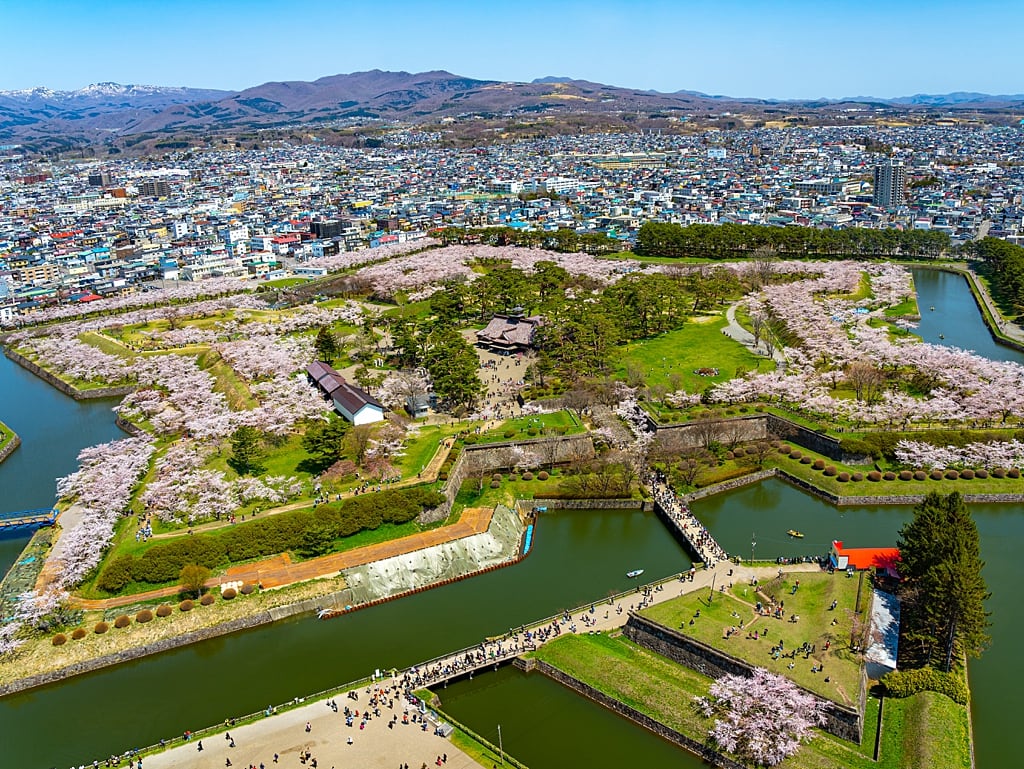
3. Goryokaku Park, Hakodate
Shawn.ccf /Depositphotos.com
Best time: late April to early May
Even without the cherry blossoms, the Goryokaku Park is a recommended visit in Hakodate. This park has a unique star-shaped moat fort and an observation tower, giving you a unique view of the trees.
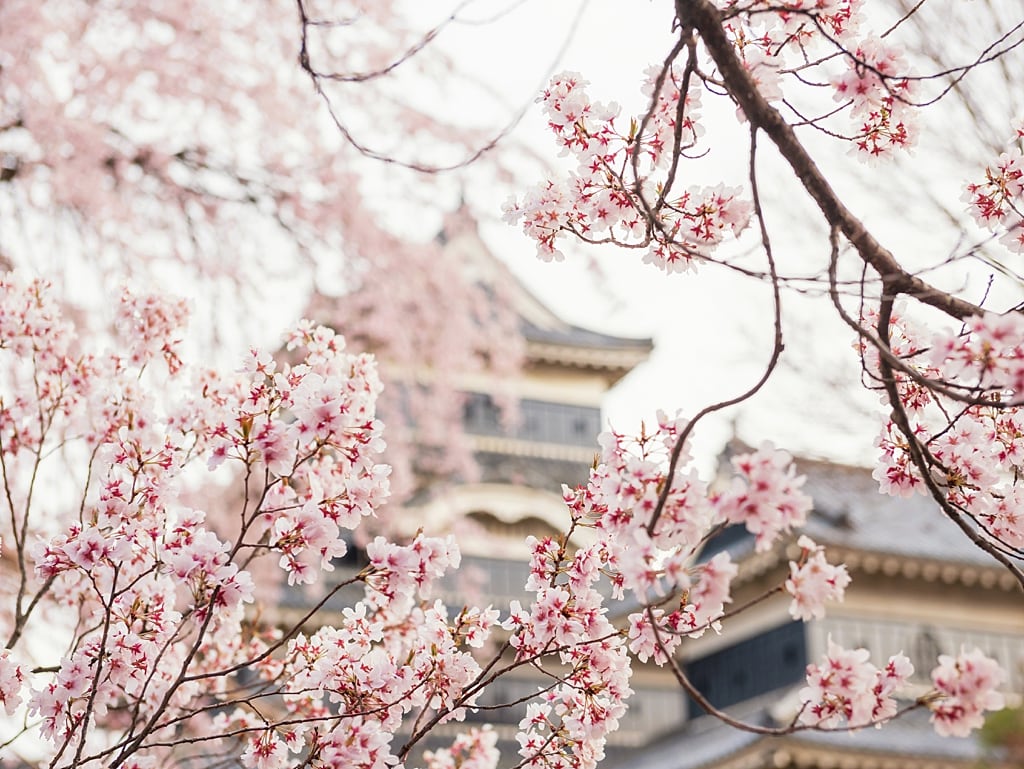
4. Matsumoto Castle, Nagano
Best time: Mid-April
Considered one of Japan’s national treasures, Matsumoto Castle is one of the country’s most grandiose and well preserved castles. Originally built in the 15th century, it is surrounded by numerous cherry trees, and from a distance, gives you a breathtaking view of the mountains.
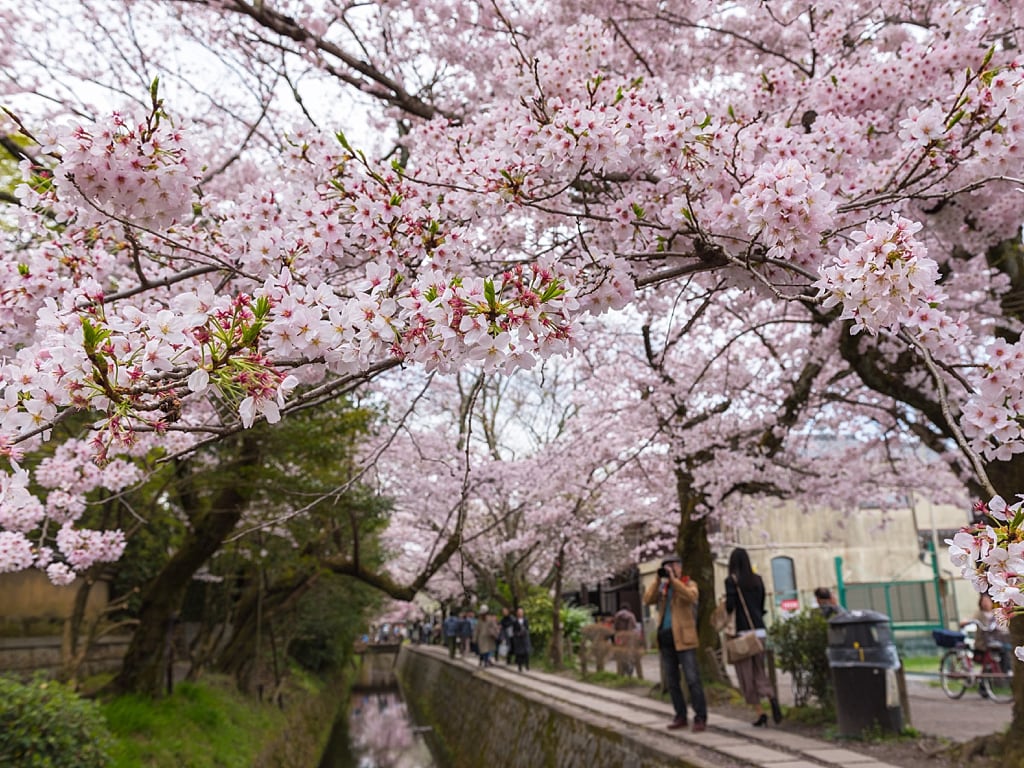
5. Philosopher’s Path, Kyoto
Best time: Late March – Early April
This almost 2 km path was named after one of Japan’s famous philosophers, Nishida Kitaro, who used to walk this path on his way to Kyoto University. The path which starts around Ginkakuji and ends in the Nanzenji area has a canal that is filled with cherry trees that makes it one of the most popular spots for Hanami.
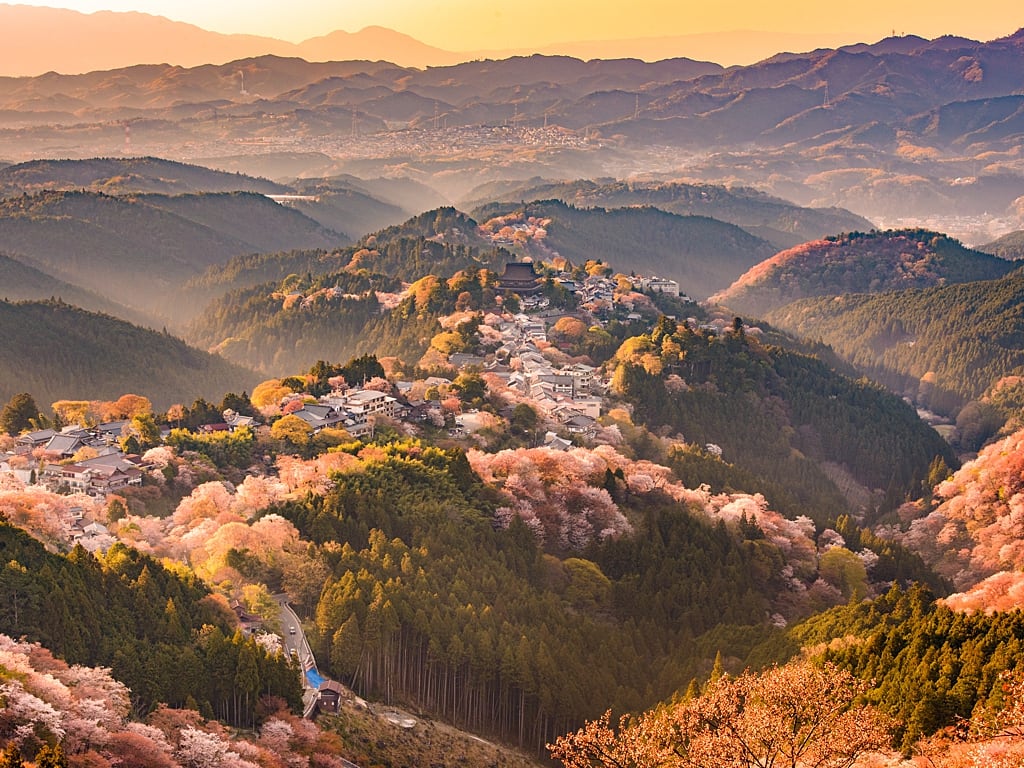
6. Mount Yoshino, Nara
Best time: Early April
This mountain, which has about thirty thousand cherry trees, has been among the most visited spots for cherry blossom viewing for centuries. It offers you the whole package – trekking, temple visits, shrines and hanami parties, all in just one location.
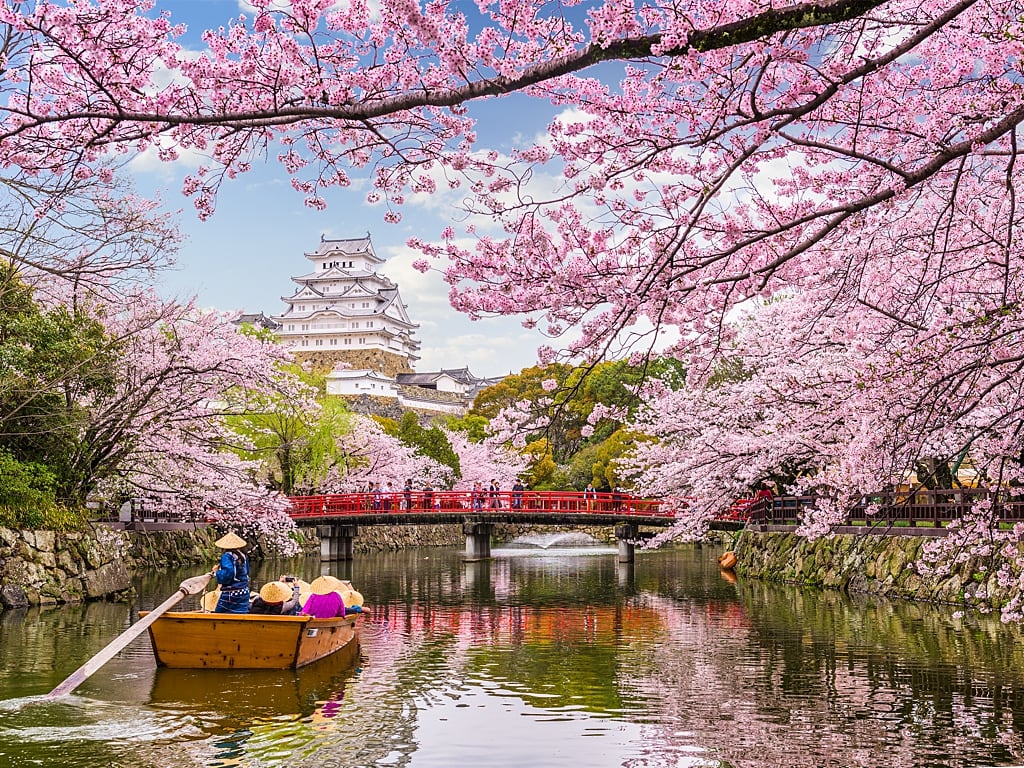
7. Himeji Castle, Himeji
sepavone /Depositphotos.com
Best time: Late March – Mid April
Another UNESCO heritage site, the majestic white Himeji Castle and its grounds is filled with over a thousand cherry trees making it among the most popular cherry blossom viewing sites in Himeji. You can also explore the inner grounds and the interior of the castle itself.
8. Hanayamiyama Park, Fukushima
Best time: mid April to late April
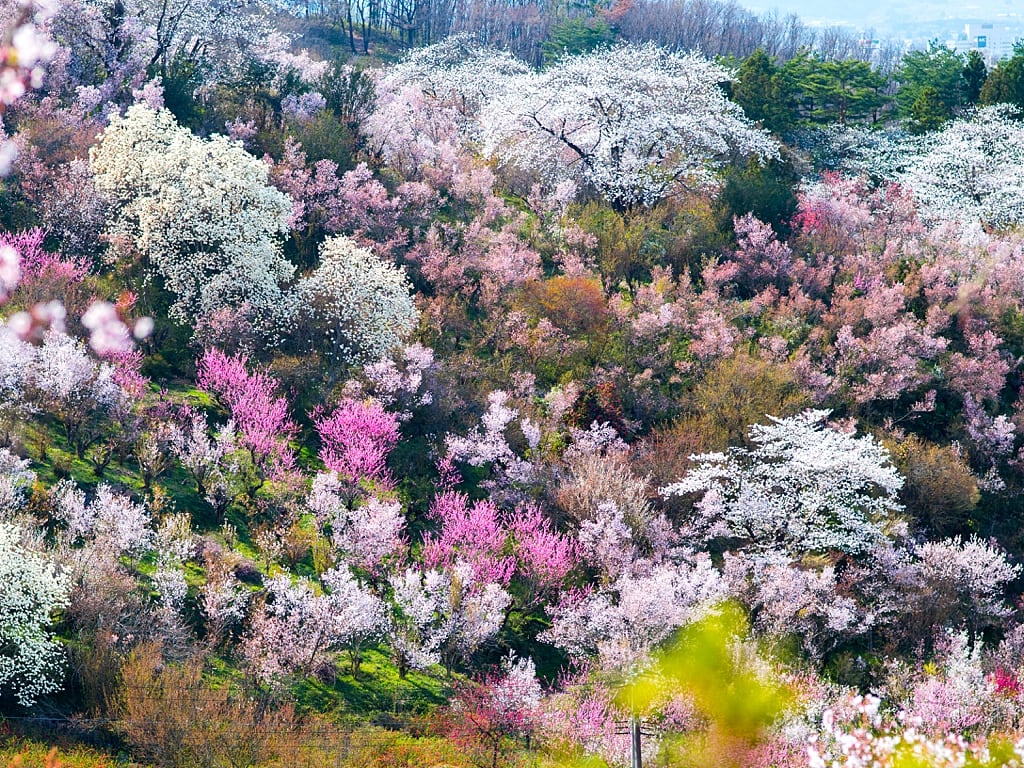
If you don’t mind hiking then visiting the Hanayamiyama Park during the cherry blossom season is highly suggested. Not only you can see cherry trees and its blooms, but this privately owned park features a lot of other flowering plants as well.
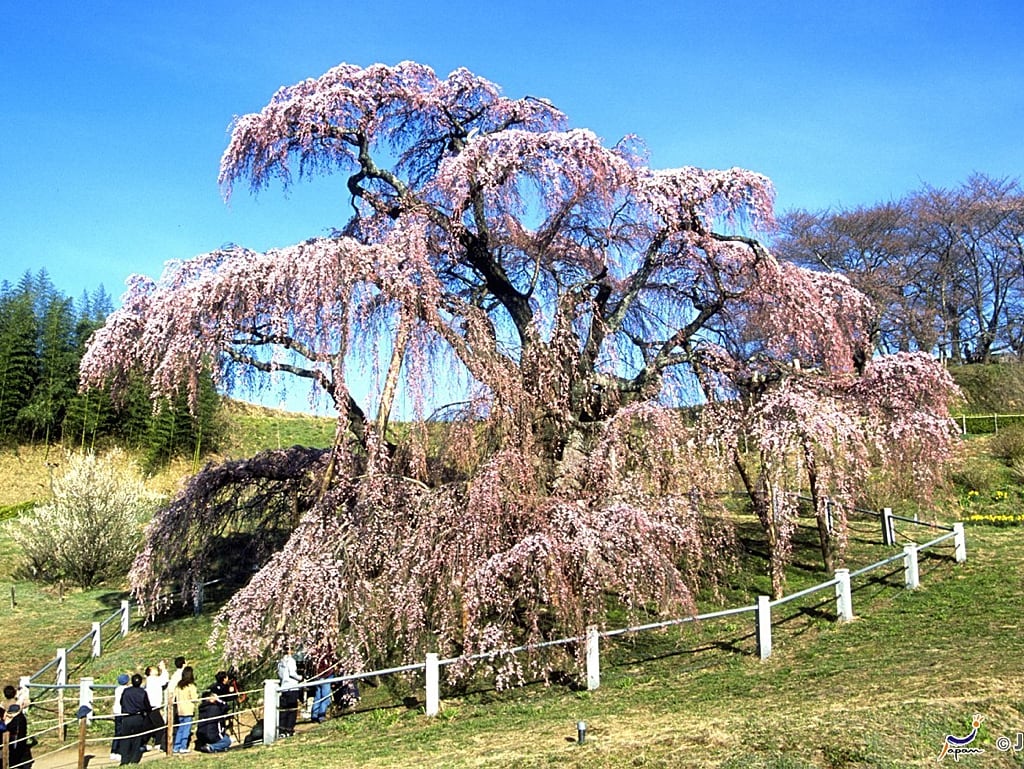
While you are in Fukushima, make sure to visit the single cherry tree considered by many as the most beautiful cherry tree in entire Japan. This tree, which is said to be more than a thousand years old, looks like a cascading waterfall with expansive branches filled with the pale pink blooms during the full bloom season.
10. Kakunodate, Akita
Best time: Late April to Early May
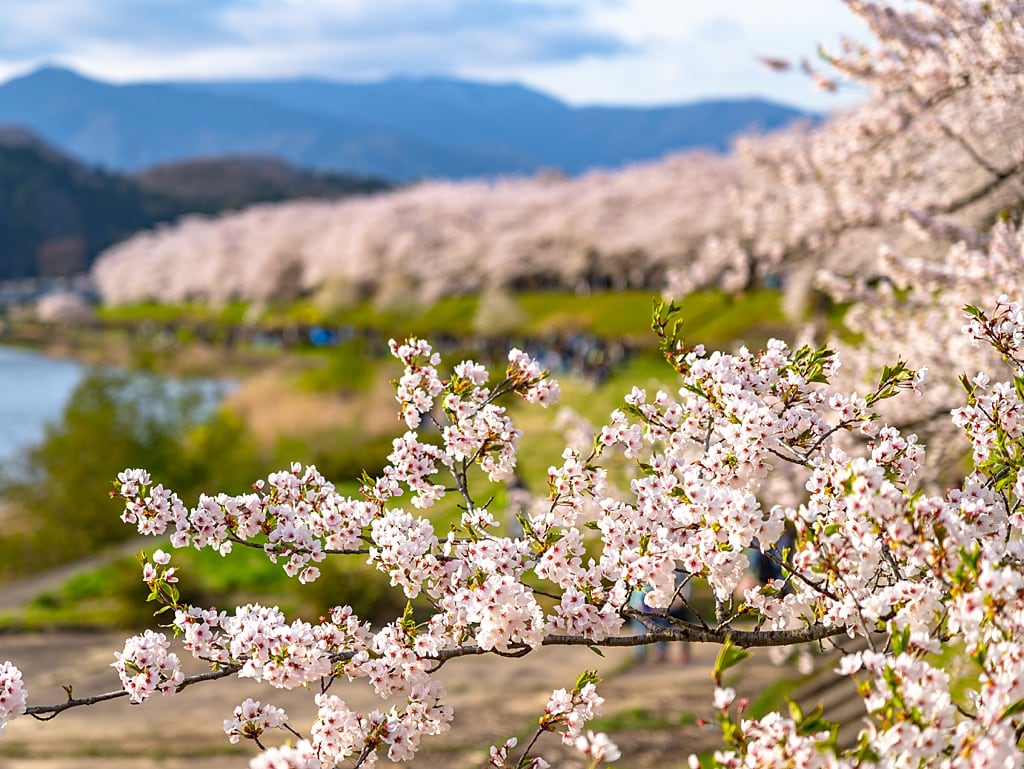
In the Edo period, due to the different samurai families’ effort to outdo each other in terms of the most beautiful cherry trees, weeping cherry trees were imported from Kyoto and planted along the bank of the Hinokinai River. Making this one of the best locations to view this variation of trees in Japan.
11. Hirosaki Castle, Hirosaki
Best time: Late April to early May
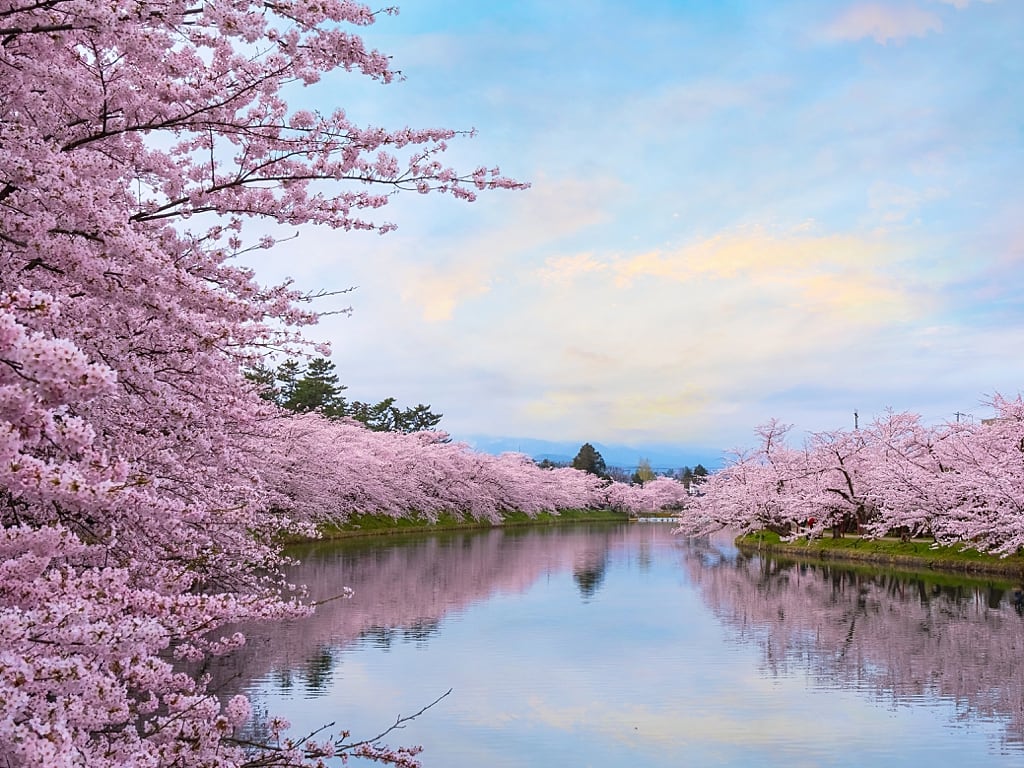
Listed as one of Japan’s top cherry blossom viewing areas, the Hirosaki Castle has around 3000 cherry trees of more than 50 varieties. Over 2 million people visit this Castle yearly to participate in the annual Hirosaki Cherry Blossom Festival.
Best-Selling Cherry Blossom Tours in Japan
11 Days Japan Tour Package
From US$ 2,119 ~
Great for: Budget-minded travelers.
Trip starts from: Mar 19, 2020 ~
Trip style: Small group escorted tour, maximum of 16.
Age limit: 18-39 years old only.
Destinations: Tokyo – Takayama – Kyoto – Hiroshima – Osaka.
Hotel class: Budget – simple, clean and affordable hotels and hostels.
What’s the weather like during cherry blossom season in Japan?
Cherry blossom season in Japan means spring. During these months, the temperature starts to rise and the weather becomes bearable. In March, the temperature ranges from 15C (60F) for the average high, and 6C (43F) for the average low. The average temperature increases as summer approaches, and it may be as high as 25C (77F) or as low as 16C (60F) in May. So depending on your arrival date, you’ll need to dress appropriately. What I’ve learned throughout the years in Japan is to dress in layers. This means I have my core pants or shirts on and I can remove or add layers easily as the temperature starts to drop or increase.
Since March is just the first month of spring, I suggest still bringing a winter jacket, scarf, hat and gloves if you plan to visit in March. During the day, particularly when there is sunlight, the temperature is bearable. But as the sun sets you’ll feel the cold quickly. You can easily stash your winter accessories in your bag to make it accessible (refer to this article for Japan packing recommendations). Just be prepared for the cold, particularly if you are visiting from a tropical country. Better to be safe than sorry!
April and May are the most convenient months. But due to climate change, it is difficult to predict the weather. You can choose to bring a light jacket (and of course some layers, just in case). Also add a scarf if you are prone to being chilly! Other tips I would suggest is to bring an umbrella. Although you can easily buy one for between 100 to 1000 yen in convenient stores, it is better to bring a sturdy foldable one that you can keep with you all the time. As for the jackets, I suggest bringing waterproof ones to protect you from getting wet in the case of a sudden rain, which is common during spring in Japan. I particularly like wearing boots or comfortable sneakers while walking around during cherry blossom seasons. Remember that you will be walking a lot, so make sure that your shoes are comfortable but sturdy!
How long do the cherry blossoms in Japan last?
Short answer, between 1 to 2 weeks. The long answer is that cherry blossoms last differently based on tree variety and the region of Japan you visit. Some can bloom as early as April while some bloom as late as May. The blossoming of the flowers normally starts from the southern region of Japan and goes upwards to the north.
If this is your first time visiting Japan for the cherry blossoms, you have to be familiar with two important terms – kaika and mankai. Kaika refers to the first opening of the cherry blossoms. The full bloom, which is called mankai normally, happens after or within a week of the kaika.
This means, from the kaika to mankai you have a week to enjoy the blooms. After the full bloom, when the fresh green leaves start to grow and the petals begin to turn white and fall. This is known as the hazakura. This usually signals the transition or change of the season from spring to summer.
You have to remember though that cherry blossoms are fickle, and their beauty is fleeting. A change in temperature, rainfall or wind can greatly affect the longevity of the blooms. This makes it more difficult to set an exact time when the full bloom happens. Most people arrive from abroad between the last week of March and first week of April.
Most common cherry tree you’ll see in Japan
As a first-time visitor to Japan, you might think that cherry trees are only cherry blossoms. I’ve learnt to identify the many kinds of trees and their blooms. Here are the three most common in Japan:
1. Somei Yoshino (Yoshino Cherry)
Throughout Japan, the most common and also most popular type of cherry blossom is the Yoshino Cherry. The cherry tree has a five-petaled blossom that, from a distance, appears to be white but is actually pale pink. The flowers are clustered together and look a bit like cotton balls from a distance. The oldest recorded Yoshino tree is in Hiroshi Park in the Aomori Prefecture, and was planted in the 1800s.
2. Yamazakura (Mountain Cherry)
The Japanese Mountain Cherry is also known as the Hill Cherry. This type is most often seen in Japan’s mountainous regions (yama means “mountain” in Japanese). The Yamazakura and Yoshino are two very similar varieties of cherry that both have five-petal pale pink blooms, however this variety has significantly smaller petals and is considerably more pink than Yoshino cherries. However, you can also see the difference on other tree parts. The Yamazakura has a thick trunk – often reaching to 1 meter in diameter; and the flowers typically open the same time as the leaves. The oldest recorded Yamazakura tree can be found in Kogonji Temple in Tokyo which is estimated to be about 400 years old.
3. Shidarezakura (Weeping Cherry)
The Weeping Cherry is a relatively easy cherry to identify, and its drooping branches are why it’s known as “the weeping willow.” It’s the most gorgeous, and it’s also my favorite cherry blossom. The flowers generally bloom before Yoshino and Yamazakura, and the petal hues vary from rich pink to fuchsia in tone. This tree has two sub varieties – one with 5 petals and one with more than 5 petals. The oldest Shidarezakura can be found in Fukushima Prefecture and is said to be more than a thousand years old.
Conclusion
Cherry blossoms are a quintessential part of Japanese culture. They add beauty and life to the country in early spring, which is why they’re often called “the flowers of Japan.” The cherry blossom season spans from late March through early April, with most trees blooming in mid-April or a few weeks after their peak bloom date. As such, it can be difficult to predict when each tree will begin its cycle!
Fortunately, for travelers planning trips to this beautiful country during these months (or if you live there), we have compiled some helpful information on how best to see the cherry blossoms at their prime—and where exactly that might be throughout Japan! We hope you enjoy our blog post and it will serve as a helpful guide to anyone planning a trip to Japan for the best views of cherry blossoms!
If you managed to grab the ¥1,000 ticket then YES, it’s absolutely worth it! And even if you’re not a fan or haven’t seen any of the Studio Ghibli films, it’s very worth it!
Two things the museum will do to you:
It will ignite your curiosity in the concept and creation of animation. And,
It will immerse you in the worlds Studio Ghibli had created — cute and creepy.
Ghibli Museum is located in Inokashira Park. To get there, take the JR Chuo Line from Shinjuku Station to Mitaka Station. The museum is a 15-min walk from there. Don’t drive here. The museum has no parking lot.
Our Ghibli Museum experience on each floor
There isn’t a recommended path to exploring the museum. You do it self-paced which also correlates to Ghibli Museum motto: “Let’s Lose Our Way, Together.”
This is the kind of museum I want to make:
– A museum that is interesting and which relaxes the soul. – A museum where much can be discovered. – A museum based on a clear and consistent philosophy. – A museum where those seeking enjoyment can enjoy, those seeking to ponder can ponder, and those seeking to feel can feel. – A museum that makes you feel more enriched when you leave than when you entered!
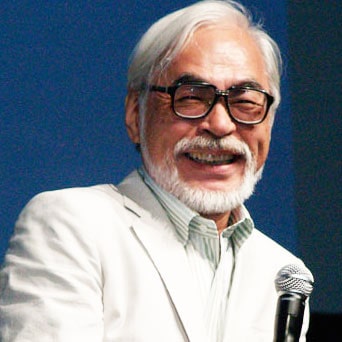
Hayao Miyazaki
Co-Founder, Studio Ghibli
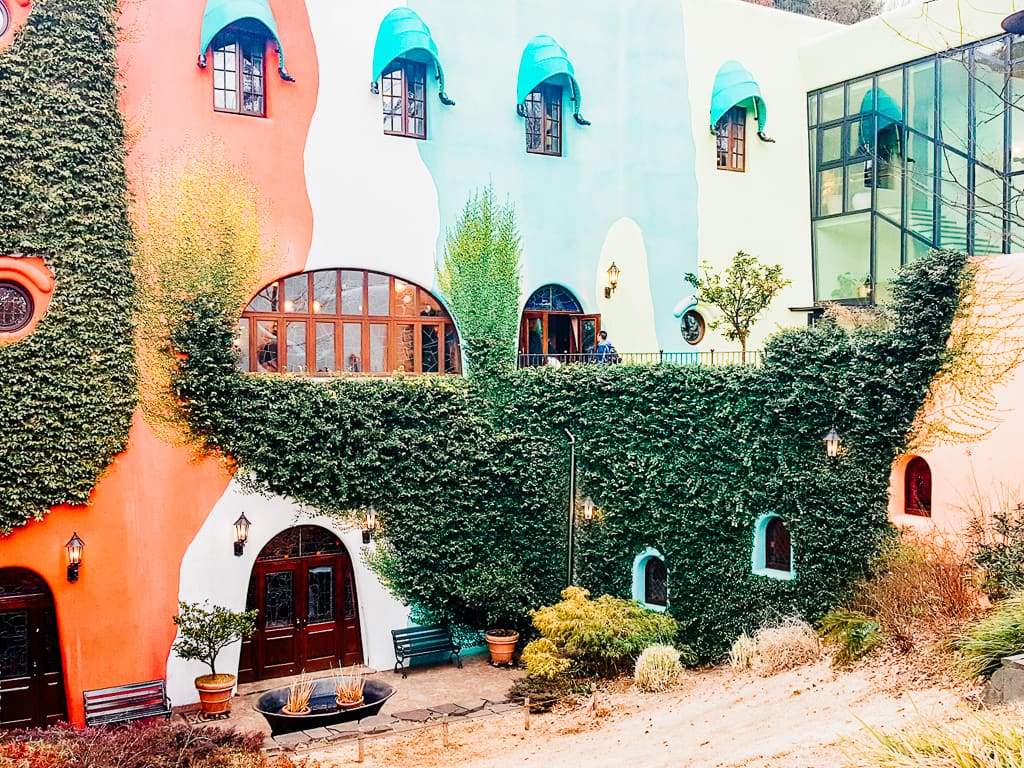
The aim of Hayao Miyazaki was to make the building itself an exhibit. And for the whole museum to make you feel like a kid again.
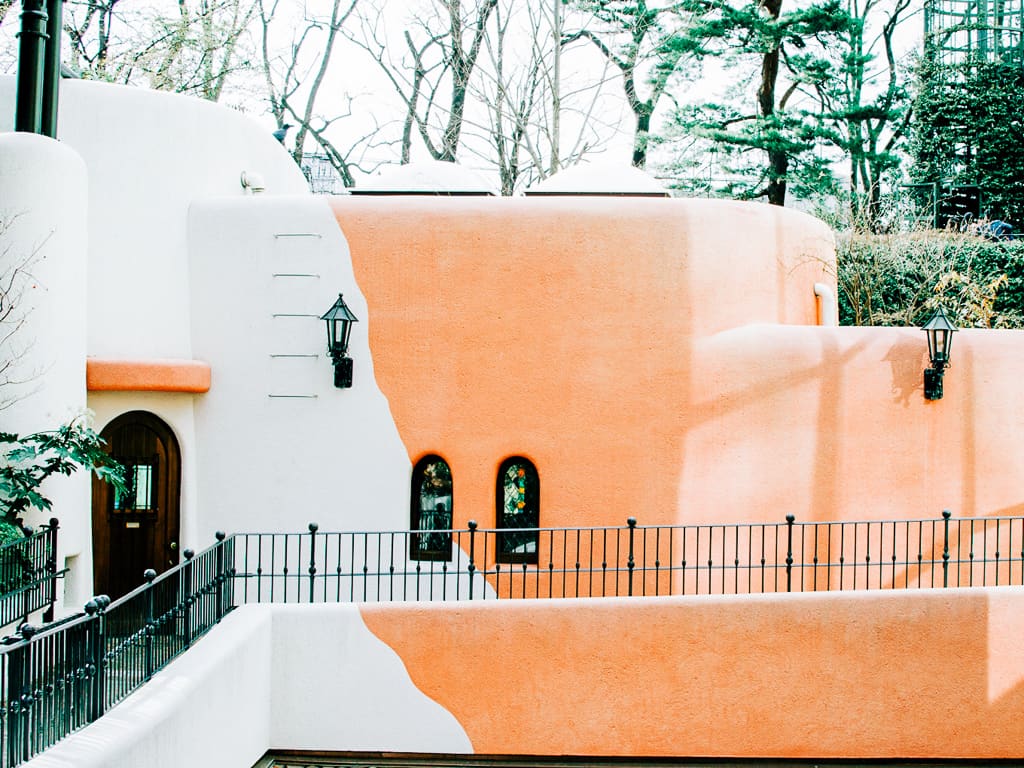
The museum is built to resemble a hobbit house made from reinforced soil.
There are spiral staircases both inside and out, long balconies, and archways which lead to exhibits.
But occasionally, a few dead ends. And that’s part of the charm because it gives you a feeling of exploration.
Miyazaki’s vision for his movies has always been to immerse his audience in the worlds he creates. And that vision has clearly been recreated in the museum.
First Floor: Permanent Exhibit Room
The first floor was where the Permanent Exhibit Room, themed: “The Beginning of Movement”. The room exhibits the science and history of animation and works not just by Hayao Miyazaki’s but also by other animators.
If there’s one thing Ghibli museum can do to improve, it would be to make the English language available to discuss everything.
WARNING: Taking photos and videos are not allowed in the museum. This gif is from a rule breaker on Youtube.
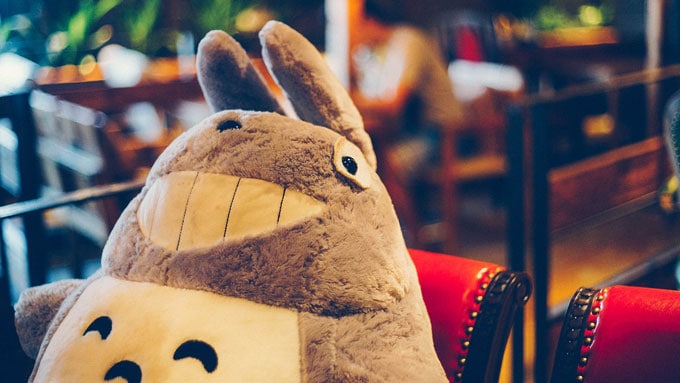
The Bouncing Totoro 3D zoetrope in this exhibit is without a doubt the highlight of this room.
It was the first time we’ve seen such a motion display.
It is a sequence of 347 still figures of “My Neighbor Totoro” characters. And creates an illusion of motion along with the rapid flashing LED lights when rotated.
I was particularly impressed by Mei and Satsuki’s character where the movements were really smooth. It seemed to be crafted perfectly frame by frame.
No wonder why the creators of this 3D zoetrope took them almost a year to finish. We kept coming back for this many times.
And could stare at it for hours which is Miyazaki’s main goal, on why he personally requested this zoetrope created: To have every visitor stop and be mesmerized.
However, if you are sensitive to light or epileptic, you should stay out of Bouncing Totoro 3D zoetrope.
To make such a museum, the building must be:
– Put together as if it were a film. – Not arrogant, magnificent, flamboyant, or suffocating. – Quality space where people can feel at home, especially when it’s not crowded. – A building that has a warm feel and touch. – A building where the breeze and sunlight can freely flow through.
This room looked like it belonged to an artist’s room that had just left the room to take a break.
It was filled with several books, unfinished sketches, and freshly sharpened pencils.
Visitors are free to touch everything in this room.
In fact, YOU are ENCOURAGED, to feel the artist’s vibe with the goal to inspire you to be the next Hayao Miyazaki.
Second Exhibit room: “Scene of Food”
The second exhibit room’s theme changes annually.
The year we went, it showcased all the eating and food scenes from Miyazaki’s film and how there were drawn and created.
This room would make you realize how difficult it really is to create just a set frame of eating food in animation–already renders about 50-100 frames.
Third Floor: Art Collection
This real-life size Cat Bus is from Kalamazoo Museum. Photo source: Ryan Hyde.
Cat Bus Room
The 3rd floor is where the Cat Bus from “My Neighbor Totoro” is. Elementary children age 12 and under can bounce and play in this room.
Adults are of course free to touch the Cat Bus fur that you’ve been dreaming of touching as you see it from the movie.
It is not the exact size of the Cat Bus as they wanted it in the film.
They shrink it just to fit the room. I wouldn’t recommend making your smaller babies from 0-24 months here.
Your little one is too small and can be crushed by bigger children.
Plus, the place can be pretty packed considering the size of the room is really small.
If you need a little time alone for yourself, this is your chance to talk down to your kids if they can stay and play while you explore the rest of the museum.
The museum must be run in such a way that:
– Small children are treated as if they were grown-ups. – The handicapped are accommodated as much as possible. – The staff can be confident and proud of their work. – Visitors are not controlled with predetermined courses and fixed directions. – It is suffused with ideas and new challenges so that the exhibits do not get dusty or old, and that investments are made to realize that goal.
Hayao Miyazaki
Co-Founder, Studio Ghibli
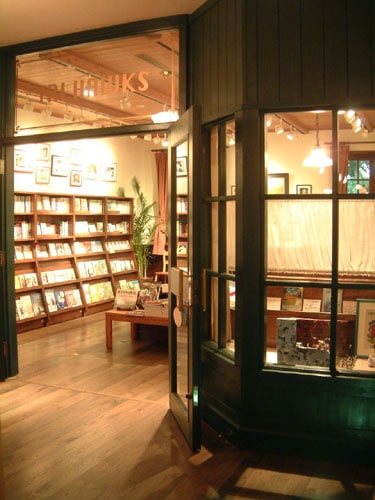
Tri-Hawks Bookstore
Here, you can browse children’s books and picture books that are personally hand-picked by Hayao Miyazaki.
It was named Tri-Hawks as Mitaka, where the Ghibli Museum is located.
Mi-Taka translates to “three hawks” in English.
Next to the Cat Bus room is the Tri-Hawks Bookstore. Mothers or fathers are free to read books here to their little ones. The books are mainly in Japanese though.
Mamma Auito
The same floor is where you can also find the souvenir and gift shop called Mamma Auito. It was inspired by the comedy-adventure animation Porco Rosso where Mamma Auito was a name of an air pirate gang.
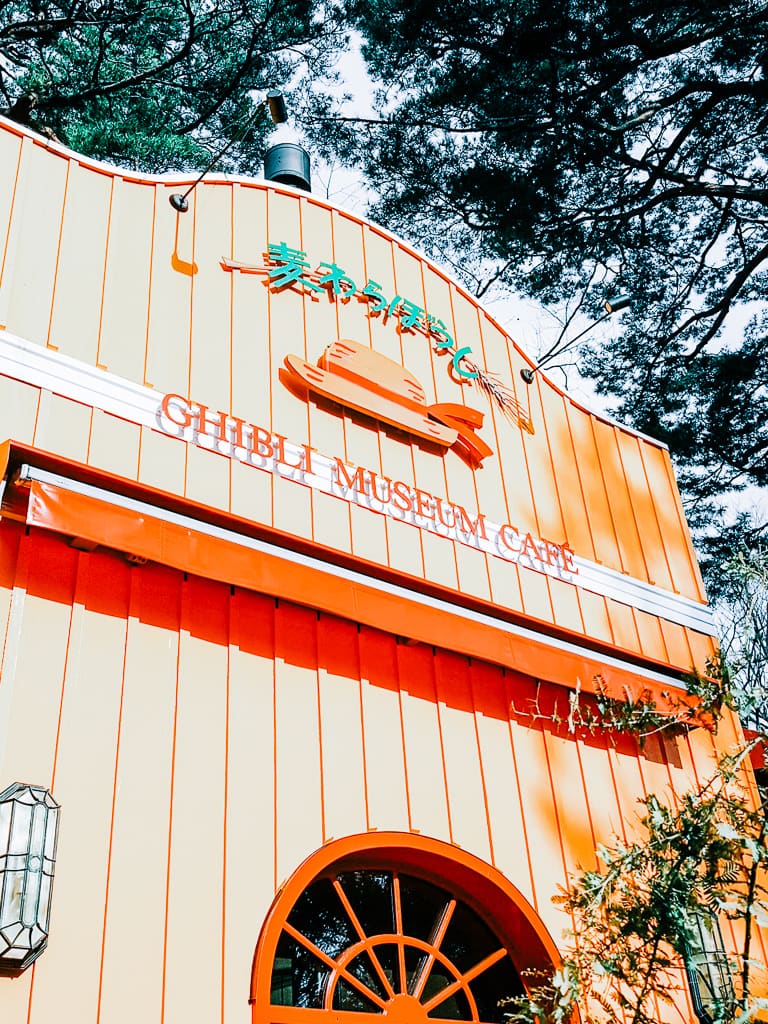
Deck Area: Straw Hat Cafe
From the 3rd floor, we found our way out to the Straw Hat Cafe.
Bright orange and red cafe and restaurant with inside and outside seatings that offer an outdoor atmosphere and the views of Inokashira Park.
The restaurant is located outside or deck area of the museum.
You are free to take photos in this area.
The cafe will be: – An important place for relaxation and enjoyment. – A place that doesn’t underestimate the difficulties of running a museum cafe. – A good cafe with a style all its own where running a cafe is taken seriously and done right.
Hayao Miyazaki
Co-Founder, Studio Ghibli
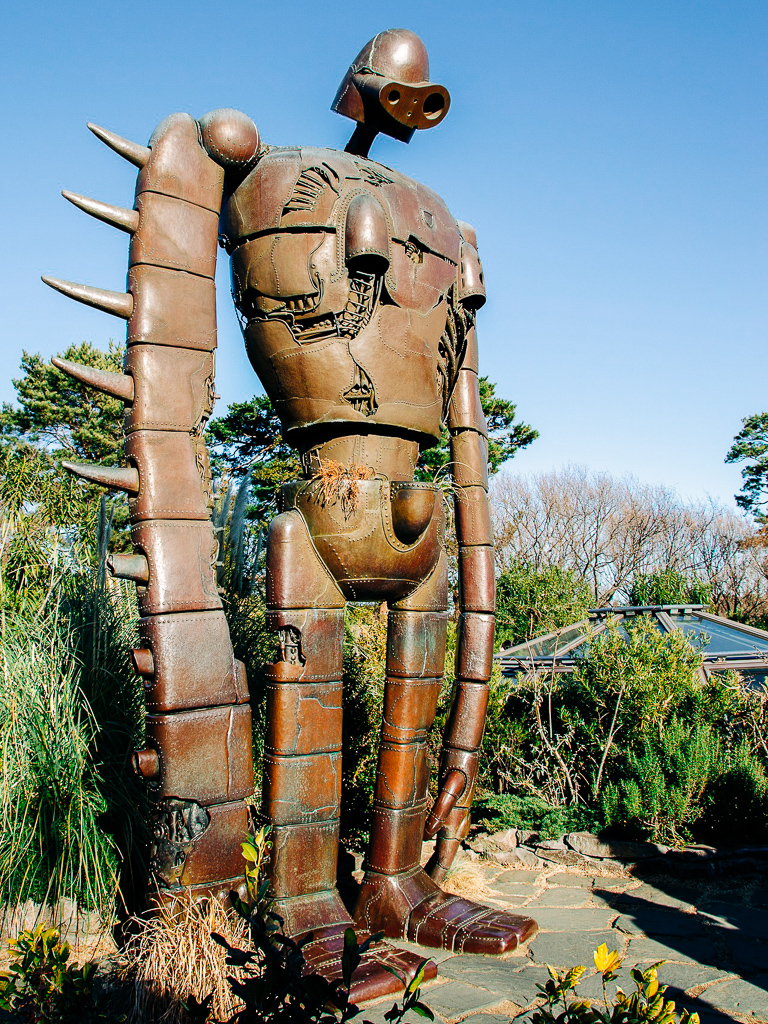
Rooftop Garden: Life-Sized Robot Soldier from “Laputa: Castle in the Sky”
Looking down over Inokashira Park is a life-sized 5-meter tall iconic character from the first film created and released by Studio Ghibli, the Laputa Robot Soldier.
Made from hammered copper plates, the statue took around 2 years to create. But the detail makes it seem ready to spring to life at any moment.
The soldier is from the movie “Laputa: Castle in the Sky.” And actually debuted in the final episode of Lupin the III Part II.
Although there would be some small changes to its appearance in the movie.
The 15-min Studio Ghibli Short Film That Made Us Wish Were Kids Again
Lastly, the museum shows 15-minute short films inside the Saturn Theater. The theater is located on the main floor of the museum.
The films rotate throughout the year and all are original creations for the theater.
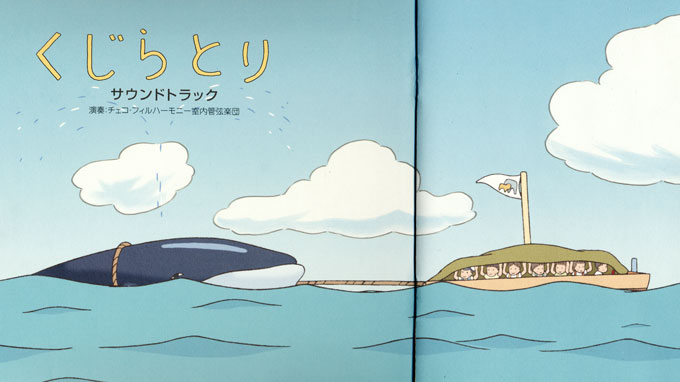
During our visit, the theater was showing “Kujiratori (The Whale Hunt)”, which was a cute movie about children’s imagination.
Honestly, even though the movies shown are very much meant for small children, this is a highlight of the museum and a must-see during your visit.
The film tells the story of school children playing pretend that came to life. This is our favorite feature of the museum.
It simply reminded us that it’s always fun to be a kid again and to have those special moments.
Rules in Ghibli Museum
Absolutely no photography inside the museum. The museum stated that they want you to:
Experience the Museum space with your own eyes and senses, instead of through a camera’s viewfinder.
Below are some important museum rules:
No eating or drinking.
Admission to the Saturn Theater is limited to one screening per person.
No smoking on the premise.
No re-entry to the museum.
Since photo taking is not allowed inside, take as many photos as you can from outside the museum, as the building itself is interesting and was inspired by European architecture.
Things to do near Ghibli Museum
After visiting the Ghibli Museum, you can explore Inokashira Park, which is one of the most important parks in Tokyo. This park is especially beautiful during the cherry blossom season.
You can also explore the Kichijoji Station area, a trendy place with an interesting vibe.
FAQs
How early should I arrive at the Ghibli museum?
Arrive at the museum at least 15-30 minutes before your designated entrance time. They are very strict on this rule. So if you’ve missed your time slot, you’re NOT allowed to get in and tickets cannot be refunded.
How long can I stay inside Ghibli Museum?
You can enjoy the museum for as long as you want up until closing time.
Is Ghibli Museum baby-friendly?
All floors have restrooms equipped with a diaper table. The first floor, however, is the only one with baby room and breastfeeding facilities.
Is Ghibli Museum stroller-friendly?
Make sure to bring your baby carrier as strollers are not allowed. You need to leave your strollers at the designated storage area of the museum.
Are there coin lockers in Ghibli Museum?
Coin lockers are available but only for small luggage. If you have large suitcases, proceed to the Information Center and ask the staff for assistance.
Do you recommend the food at the Straw Hat Cafe?
Straw Hat Cafe seems to be pretty LOVED and has 4 out of 5-star ratings. Some stated that the food is cooked fresh and all come from an organic farm which is guaranteed healthy.
Unfortunately for us, we didn’t really get to dine at the Straw Hat Cafe because the restaurant was packed and has a LONG waiting line despite our off-season visit. I recommend that you eat here outside lunch hours, hopefully, the line has died down.
Based on their menu, the variety is limited like breaded pork, steak, sandwich, soup, and omurice (omelet rice) which are typical and the same as the ones you can find in many restaurants and cafes scattered in Japan.
The food served is not gimmicky, definitely not Ghibli-themed except for one coffee latte that has a coffee foam art of a straw hat, and a soda drink, that’s it, (sorry Instagrammers).
With these in mind, arrive at the museum with a full stomach as we did. We ate in Ichiran Ramen near Kichijoji Station.
Conclusion
Ghibli Museum is always mentioned as a must-visit in Tokyo. After visiting, I wanted to kick myself for not going sooner.
Perhaps it was my fond memories of watching My Neighbor Totoro and Spirited Away growing up. But after seeing the exhibits here, it made me feel like a kid again.
The main takeaways:
Don’t ever feel embarrassed if you can’t help feeling like a kid again. Ghibli Museum always encourages you to touch everything in it. This is why Studio Ghibli museum is a favorite of playful parents and young at heart.
The experience is worth more than the original ticket price. And it is best bought through Lawson for 1,000 yen only.
I can’t wait to share it with my own daughter when she’s old enough to appreciate it. I just hope that she won’t be too scared of many odd-looking characters like I was with the Cat Bus when I was young.
The museum hopes to ignite your curiosity in the concept and creation of animation and understand the artist’s essence and spirit.
However, if you have obtained it through other methods that are more expensive, it all depends subjectively if you really consider yourself both an anime and a Ghibli fan.
If neither of these things really have any meaning to you, then I would still suggest giving the museum a chance. Who knows, you may come out of the museum wanting to see more.
SPECIAL TIP: Watch 1 or 2 Studio Ghibli films before you visit. This is just to create a compelling sense of familiarity with Studio Ghibli films.
Did I miss anything? Please leave your comment below if you have any questions!
Our first-time favorite 10-day Japan itinerary aims to inspire you and serve you as an outline. It’s not written in stone. We encourage you to customize this based on your interests and needs that you’ve identified. Every person’s claims and requirements will vary, so it’s essential to focus on your main travel goal rather than merely copying someone else’s itinerary. It’s also impossible to see everything in Japan. To create an itinerary with a realistic pace, narrow down your destination wish list and Japanese experiences vital to you.
We designed our itinerary based on “The Golden Route of Japan” as it traces the Old Tokaido Road that connected Edo (modern Tokyo) with Kyoto and Osaka. This is why Tokyo, Kyoto, and Osaka are the ideal cities for first-timers to feel associated with ancient times. Unlike other active and rushed itineraries, ours is to keep you at a leisurely pace. We limit 1-2 areas per day with authentic and culturally immersive activities, making this itinerary perfect for first-time visitors.
If you’re looking for a stuffed itinerary that you’ll have to rush from one to the next to see them all, this is not it. Japan is such a diverse country filled with regional experiences and cuisine that are far better enjoyed if you travel slower and take the time to connect with locals. Even the most meticulously planned itinerary won’t allow you to see even a fraction of what Japan has to offer. Be it 14 days, 21 days, or more, it’s simply isn’t enough. In Tokyo alone, it’s easy to spend two weeks! We’ve lived in Japan for over ten years, and we feel like we haven’t scratched the surface.
Use our itinerary as a way to knock out the significant destinations during your first trip to Japan. On your next trips, expand your reach and include other goals you want to discover! Put merely, visit Japan as many times as possible. If you find yourself still looking for help, we can handcraft this itinerary to suit your Japan wish list. Contact us here.
Why visit Japan?
Japan is a strange mix of traditionalism and modernity. And the only country that gives you the ability to go from historic castles, shrines, and temples to robot greeters at several hotels. The Japanese people are incredibly polite, the cities are exceptionally clean, and the transportation system is second to none. Remarkably, a major train company issued a public apology for leaving 20 seconds early! I can’t think of a better example of Japanese politeness and transportation efficiency. Another area that sets Japan apart from all other countries is how far they accommodate tourists, the omotenashi culture (Japanese hospitality). This is surprising considering that Japanese tourism is still heavily dominated by in-country tourists.
The Japanese government stated their 2020 foreign tourism goal of 40 million people! But this isn’t to say it’ll be necessarily easy to navigate or ask for directions. The Japanese are taught English in school, but it’s similar to when Americans learn French or Spanish, a compulsory class took that is soon forgotten by most. So brush up on your charades skills and download a translator app. You’re going to need them both! More than anything, though, you’re going to need a well thought out itinerary due to the incredible amount of activities and attractions vying for your attention in Japan. This is what we believe makes Japan so unique and the reason it’s one of the most traveled to countries in the world. There’s just so much to see and do! You may also be concerned about budgeting. We’ve personally found that having a mid to high-range budget ($$$-$$$$$) gives you the right balance of experiencing Japan and its culture overall.
You might also find these articles helpful to prepare for your trip to Japan:
We don’t promote activities that disrupt the Japanese way of life and animal welfare. You won’t see us suggesting the city go-karting tours or visiting animal cafes. Instead, we’ll be encouraging cultural activities like attending a tea ceremony or sado, watching a sumo tournament, or taking a cooking class to immerse yourself fully.
You won’t find an active or backpacking-style itinerary here. Such as an overnight stay at temple Koyasan in Wakayama or cycling the Shimanami Kaido bridge in the Setouchi region. Those destinations and activities deserve a specialized itinerary of their own.
You won’t find seasonal activities here. You can enjoy Japan year-round. But some places and activities are extraordinarily beautiful during certain times of the year. Such as cherry blossom viewing, Shirakawa-go illumination, Nikko in autumn, and seeing the snow monkeys in Jigokudani Monkey Park are a few that come to mind. This is why we created an itinerary based on the destinations that are not dependent on the time of year. We don’t want to set limits on when you should visit.
10 Day Japan Itinerary Overview
Day By Day Activity
Overnight
Day 1: Yokoso! (Arrival)
Tokyo
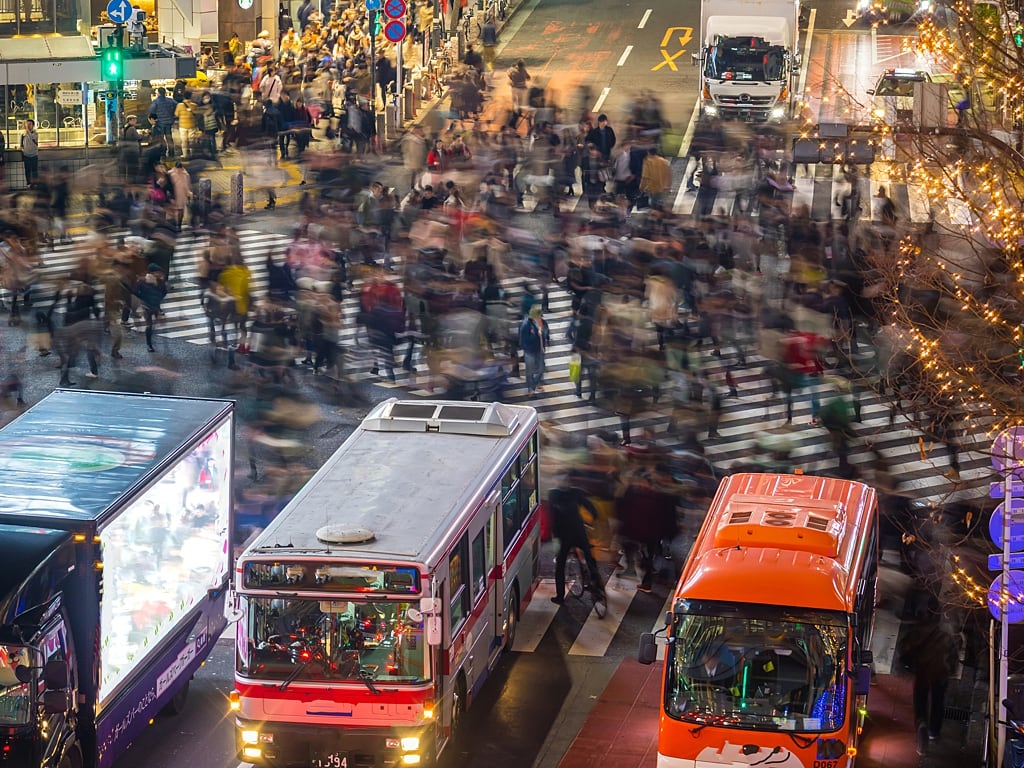
Day 2: Tsukiji, Ginza, and Shibuya
Tokyo
Day 3: Asakusa and Neighborhoods
Tokyo
Day 4: Hakone
Hakone
Day 5: Hakone Attractions
Hakone
Day 6: Kyoto
Kyoto
Day 7: Walking Tour
Kyoto
Day 8: Day Trip To Nara Or Osaka
Kyoto
Day 9: Back To Tokyo
Tokyo
Day 10: Sayounara!
Departure
Day 1: Arrival in Tokyo
YOKOSO! (Welcome). I bet you’re happy to be off the plane after that long-haul flight! This day is yours to do with as you see fit. You can use it to recover from jet lag or explore Tokyo independently at your leisure. If you choose to stay at one of our recommended hotels, our suggestion would be to explore the area around it because they are all located in sightseeing districts. These hotels are all strategically located in central Tokyo and are all within a short walking distance to major train stations. All of these hotels also offer breakfast options.
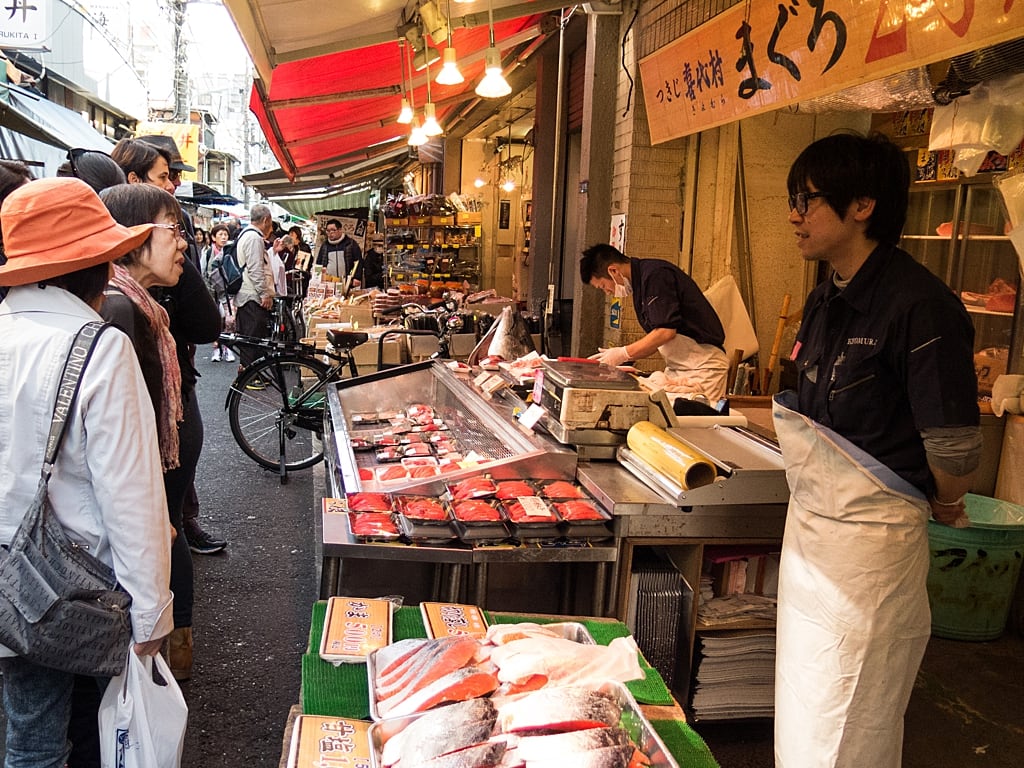
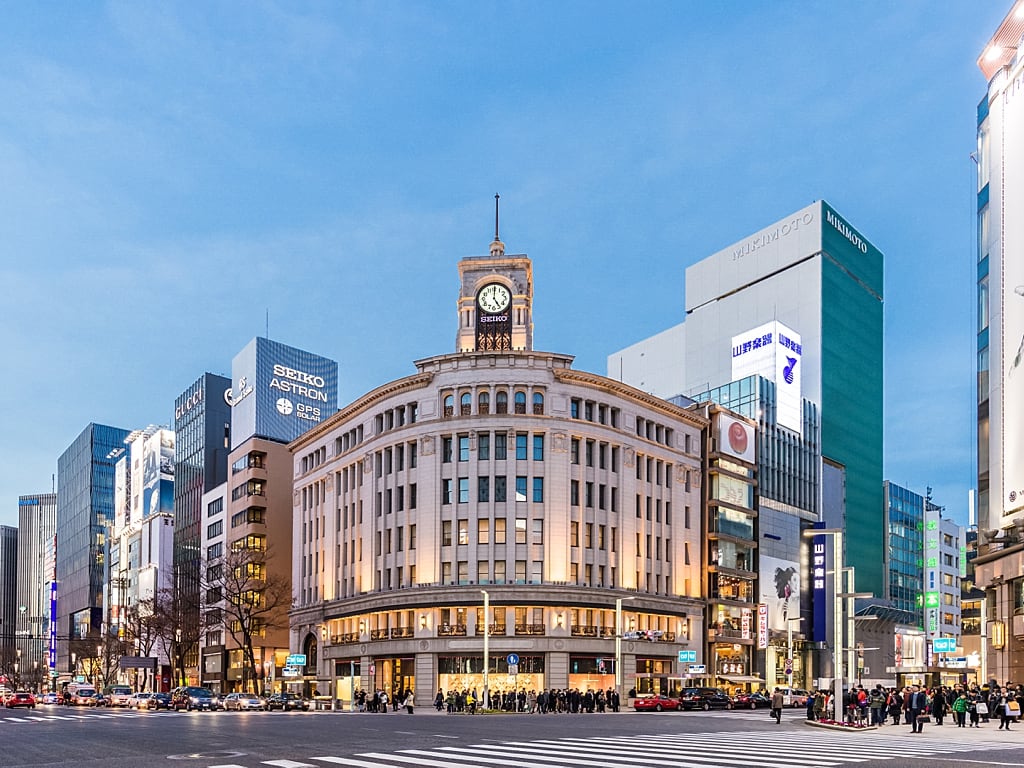
Tsukiji and Ginza are Tokyo itinerary mainstays. That’s because Tsukiji is an essential piece of Tokyo’s history due to its famous tuna auctions, as well as being where you’ll find the freshest sushi possible. The other, Ginza, has a fascinating history and is one of Japan’s finest high-end fashion districts. Conveniently, both are within a short walk from each other, making them completely contrasting atmospheres even more fascinating.
Tsukiji
herminutomo /Depositphotos.com
Closest Station: Tsukijishijo Station. Meet your tour guide for the Tsukiji Fish Market. Tsukiji is a fantastic district filled with an assortment of culinary delights. Although the main tuna auction has moved to Toyosu in Odaiba, the outer market is alive and kicking. It’s still filled with unique retail shops, sushi restaurants, chefs gathering, and restaurant supplies. All things food! We recommend this professional and licensed guide known as the “Tsukiji King”. He has extensive knowledge about the Tsukiji fish market. Make sure to reserve your spot in advance.
After your Tsukiji tour, it’ll be time to explore Ginza’s neighboring district, which is just a short walk from the famous fish market. On your way to Ginza, we suggest taking the small detour to pass by Tokyo’s primer kabuki theater, Kabuki-za. Use Google map to find your way. If you are interested in Kabuki Arts, you can watch a performance which runs every day.
Moving on, Ginza itself is such a feast for the eyes, living up to its nickname “Ginza Pedestrian Paradise.” It has numerous boutique, upscale shops, and local and international flagship stores. UNIQLO Ginza is the most famous flagship store here with 12 floors in total! You can also walk into department stores, such as Ginza SIX, Mitsukoshi, and Matsuya. Or explore the underground world of depachika, a Japanese term for the basement floor, a dazzling maze of food halls and gourmet shops ranging from wine salons, tea shops to cake & chocolate cafes. Best of all, there are several food tastings available here! After Ginza, you can head back to your hotel to continue recovering from jetlag and recharge for Shibuya or head straight there since it’s only a 15-min train ride from Ginza. It’s totally up to you.
Shibuya
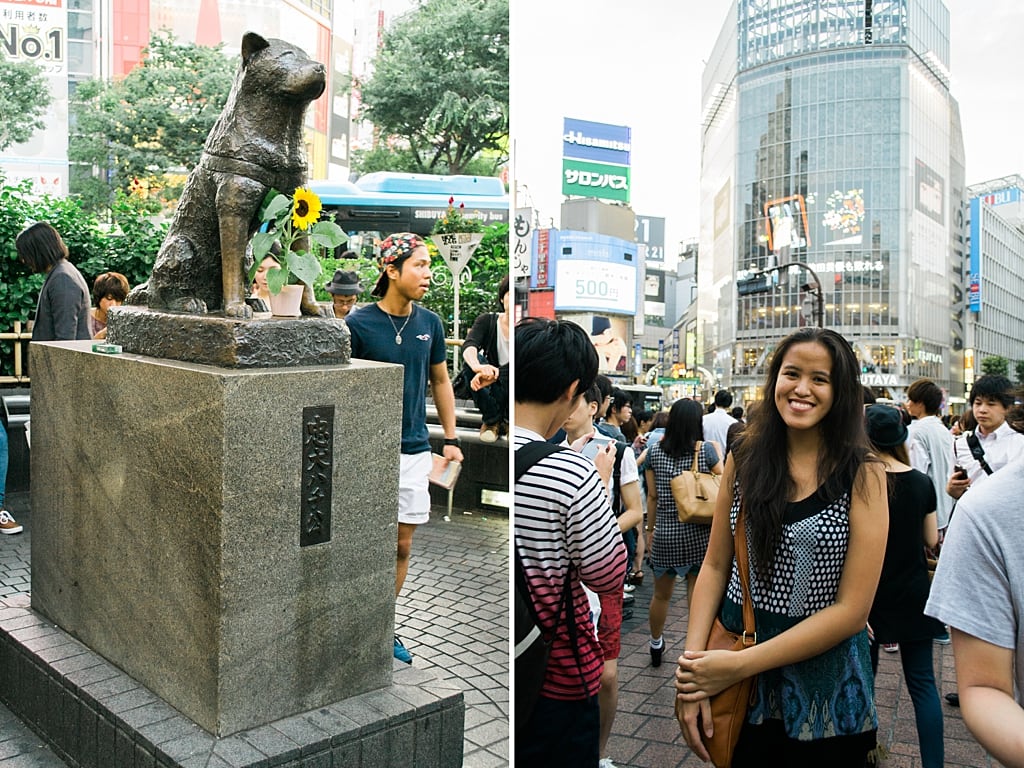
To my friend Mica at Hachiko statue near Shibuya Station
Closest Station: Meiji-Jingumae Station (also known as Harajuku Station). Next is the trendy Harajuku district, the shopping complex of Omotesando Hills, the famous Shibuya Scramble Crossing, and see the famous Hachiko statue. All of which are part of the Shibuya ward (city-level municipality of Tokyo). Behind Harajuku Station is Meiji Shrine, which you might have heard often from travel websites or blogs. You will see more shrines in Kyoto, so Meiji Shrine is omittable. However, there are often traditional Japanese weddings taking place here. If you’d like a chance to see the bride and groom making their way through the grounds, it may be worth the detour. Some people hire a tour guide in Harajuku to cover its backstreets and hidden shops and cafes, but it’s unnecessary in this case. Instead, we’ve created a Harajuku-Shibuya walking tour map here for you to follow. Shibuya’s whole area is an absolute sensory overload, so you might not even pay attention to the tour guide at all. An exception to this is at night, where joining an izakaya or bar-hopping tour is an experience not to be missed in Shibuya. If you’re looking for the most authentic izakaya experience, hire a local guide to take you to the hideaways. Click to see bar-hopping tours in Tokyo or walking food tours here.
Day 3: Asakusa and Neighborhoods
Asakusa
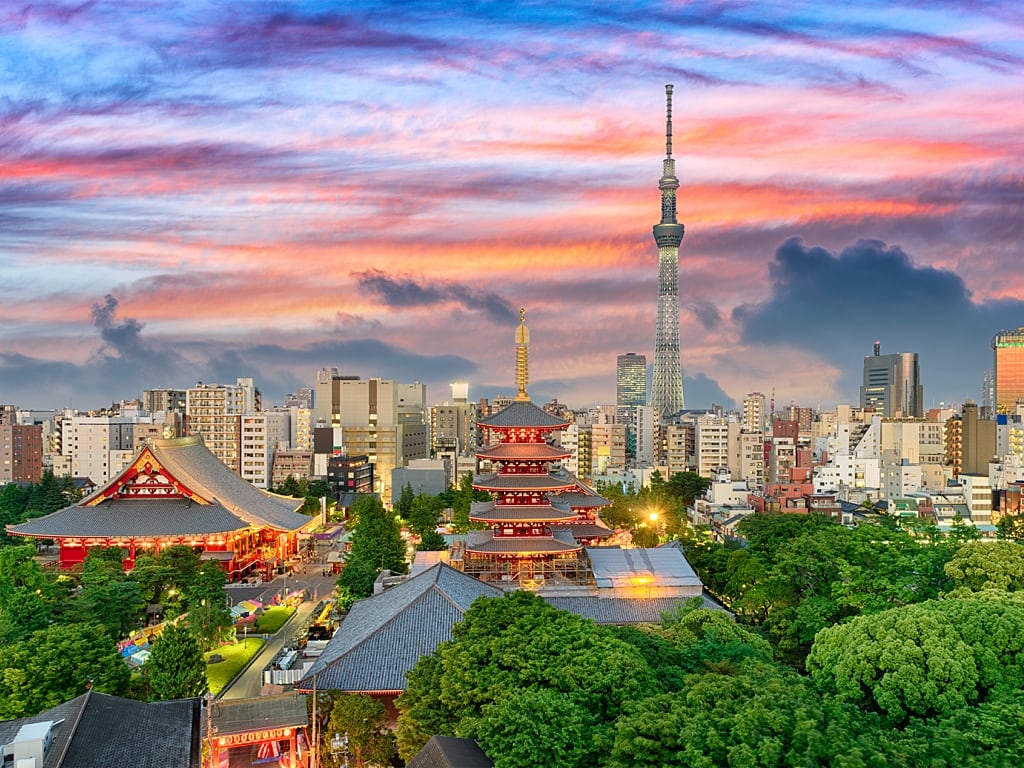
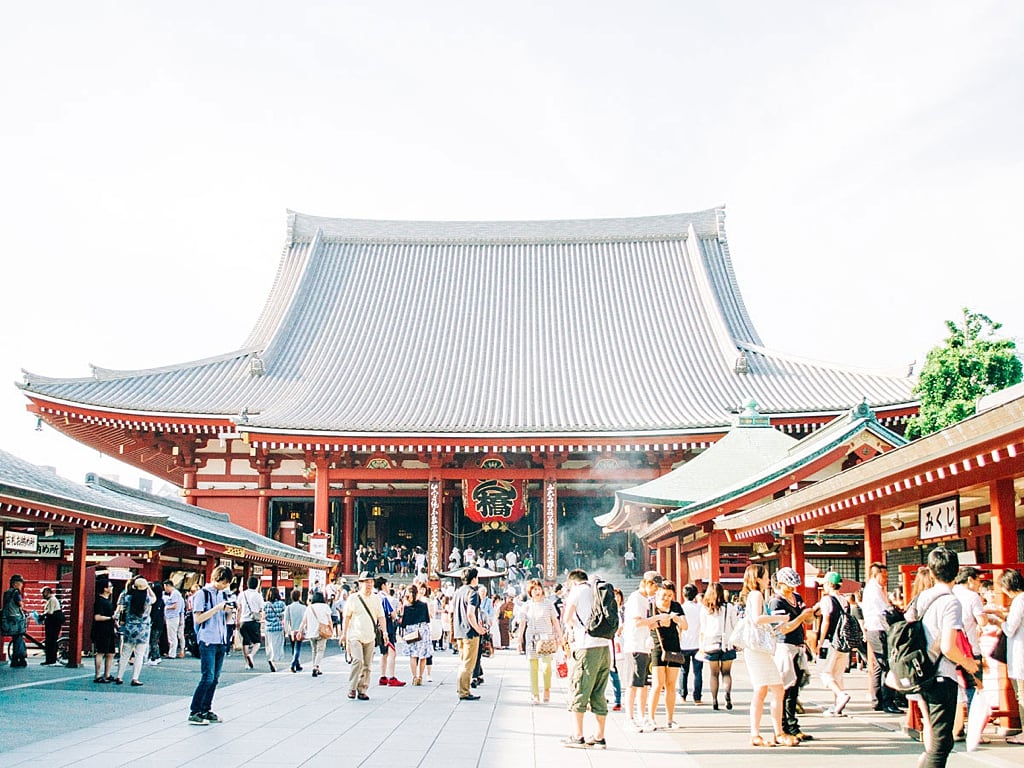
Closest Station: Asakusa. Asakusa has Tokyo’s ancient and oldest Buddhist temple, Senso-ji, dating back to 628 AD. As you enter the temple grounds, you’ll see a massive gate called Kaminarimon (lit. “Thunder Gate”) with a giant lantern in the middle and golden statues on either side. As you approach Senso-ji you’ll walk along the long Nakamise-dori, and you’ll see another massive structure, a 2-story “house gate” called Hozomon. Since Senso-ji is a vital temple, be prepared to tackle the grounds with the crowd. The Tokyo Skytree, the world’s tallest tower, is also visible from the temple grounds of Senso-ji, so you might want to take a few photos of it! There is a free insightful guided tour in Asakusa that you might consider joining for the best experience. It’s a free tour, so tipping is encouraged. These are local volunteer guides who work hard to give tourists the best experience. Since it’s free, it can fill up fast, so you must book at least 10-14 days in advance.
After your Asakusa tour, you can head back to your hotel and rest or continue exploring. Should you decide on the latter, here are our suggested sightseeing neighborhoods around Asakusa for your afternoon excursion. All of which are only short train rides away from Asakusa. The choice is yours, but just choose one!
Option 1: Imperial Palace
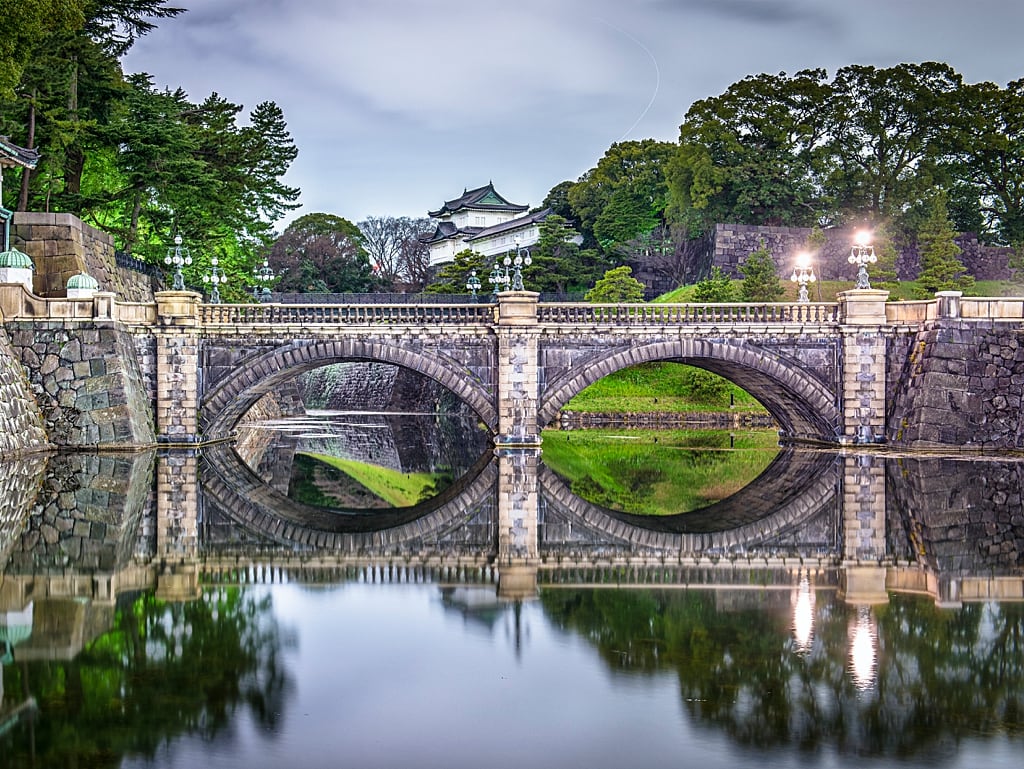
Closest Station: Nijubashimae. The old Edo Castle now serves as the primary residence of the Imperial Family. They only open their gates publicly twice a year, New Year and the Emperor’s Birthday. Even if you cannot enter the inner grounds, the surrounding moat and its spectacular bridge are just as visually appealing. A sight that’s hard to come by even when exploring other castles throughout Japan. You can go around to the castle’s east entrance and visit the Imperial Palace East Garden, which is open to the public but closed on Mondays.
Option 2: Yanaka and Nezu Districts
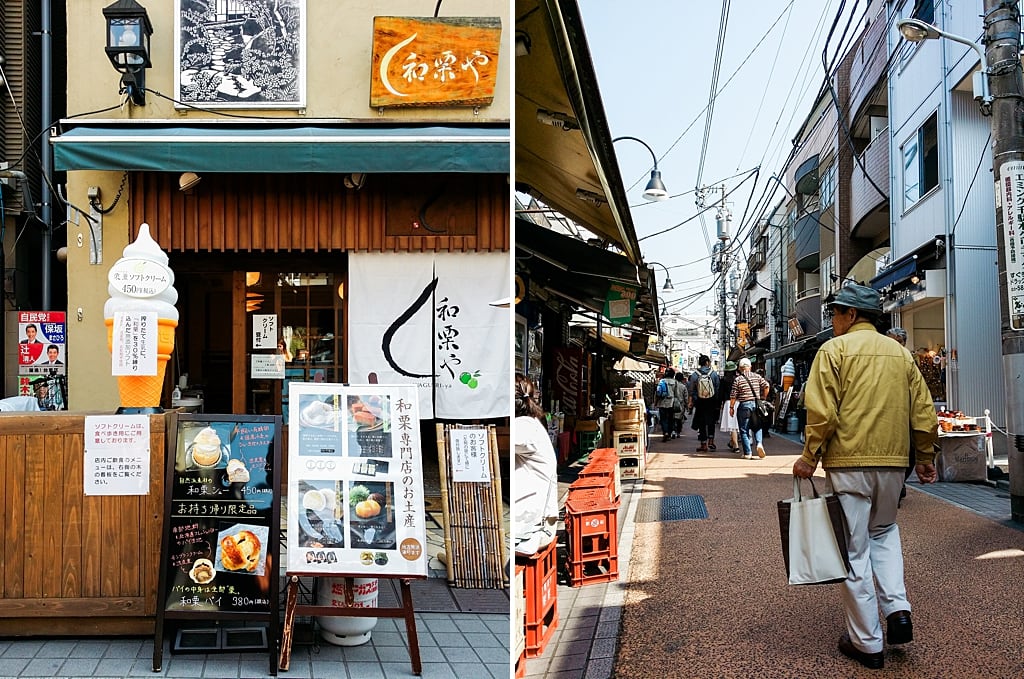
Yanaka Ginza shopping street
Closest Station: JR Nippori. Yanaka is the only old quarter town in Tokyo where the Shitamachi (downtown Tokyo) atmosphere from the Edo period still resonates. Just by strolling around, you’ll be fascinated by its rustic ambiance and feel like you’re back in Old Tokyo (Edo). One of the attractions here is the Yanaka Ginza, a cute shopping street filled with locally-owned shops and coffeehouses. Many tourists enjoy having a tour guide here as it’s slightly off-the-beaten-path. If you’d like to have one, do this in the morning and make your visit to Asakusa in the afternoon.
Option 3: Akihabara
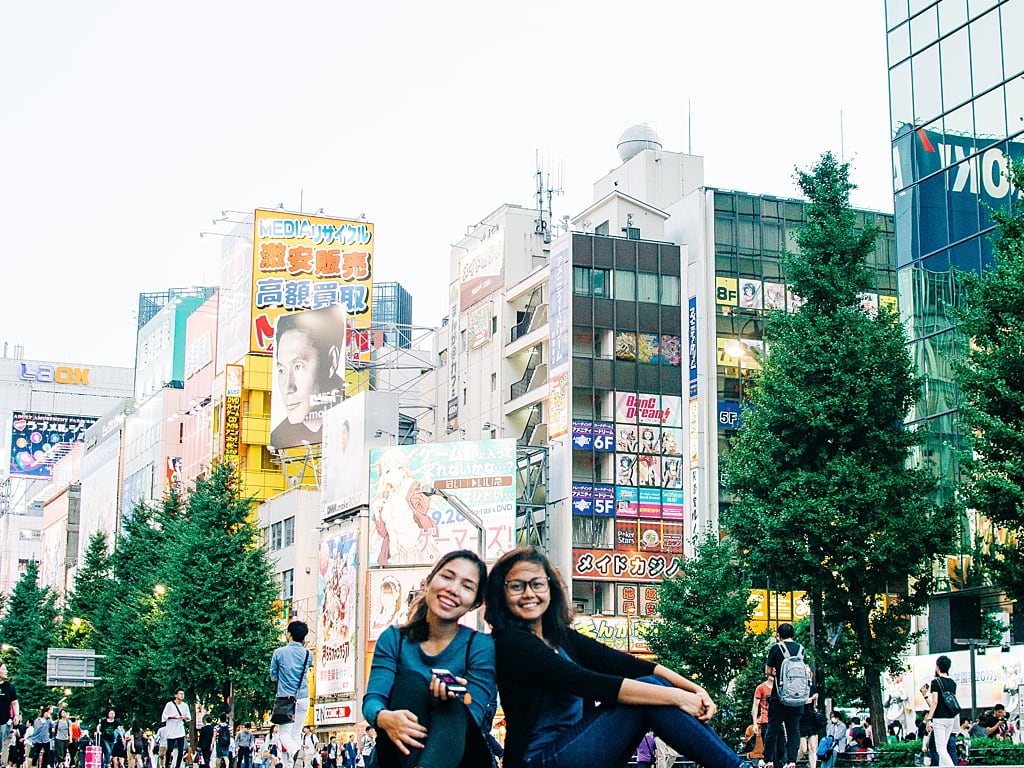
My cousin and I in Akihabara, when she visited me in Japan. Akihabara is another pedestrian paradise.
Closest Station: Akihabara. Akiba’s epicenter of electronics and otaku culture is a must-see for fans of anime, manga, video games, maid cafes, and Japan’s geek culture. The only thing I would recommend against is choosing to eat here. The food is drastically overpriced and made more for Instagram pictures than flavor.
Option 4: Tokyo Skytree
Tokyo Skytree is more enjoyable from the outside!
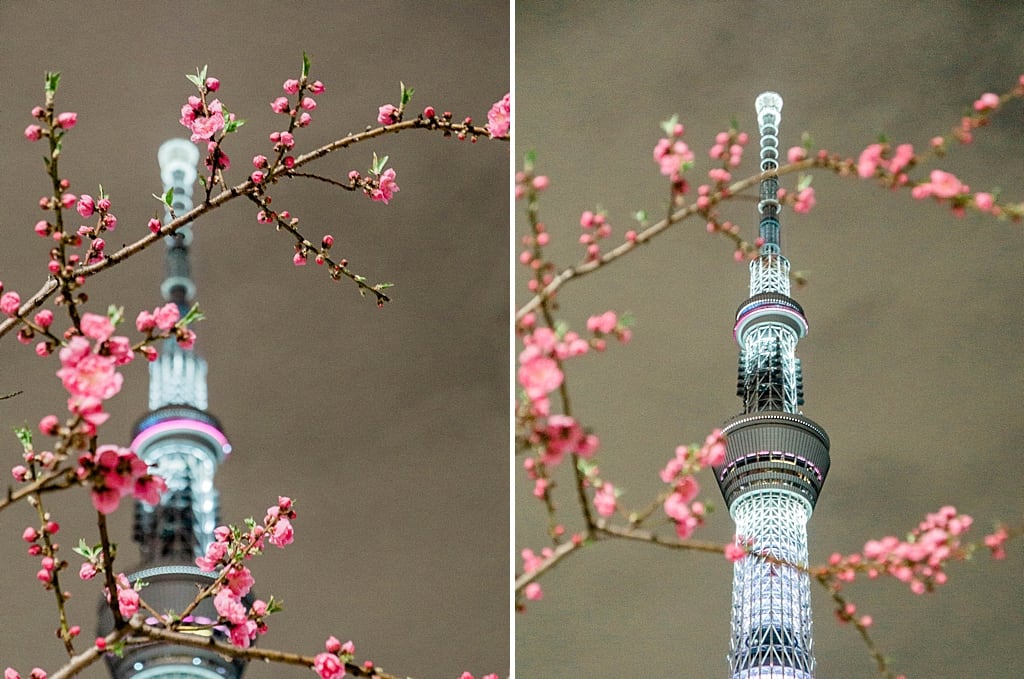
Closest Station: Tokyo Skytree. Tokyo Skytree is skippable. But the Tokyo Solamachi shopping mall right at the foot of Tokyo Skytree is worth checking out (than the Skytree tower itself). If you’re interested in seeing the view from the top, go on a clear day only. Click to get discounted tickets for Tokyo Skytree
Day 4: Welcome to Hakone
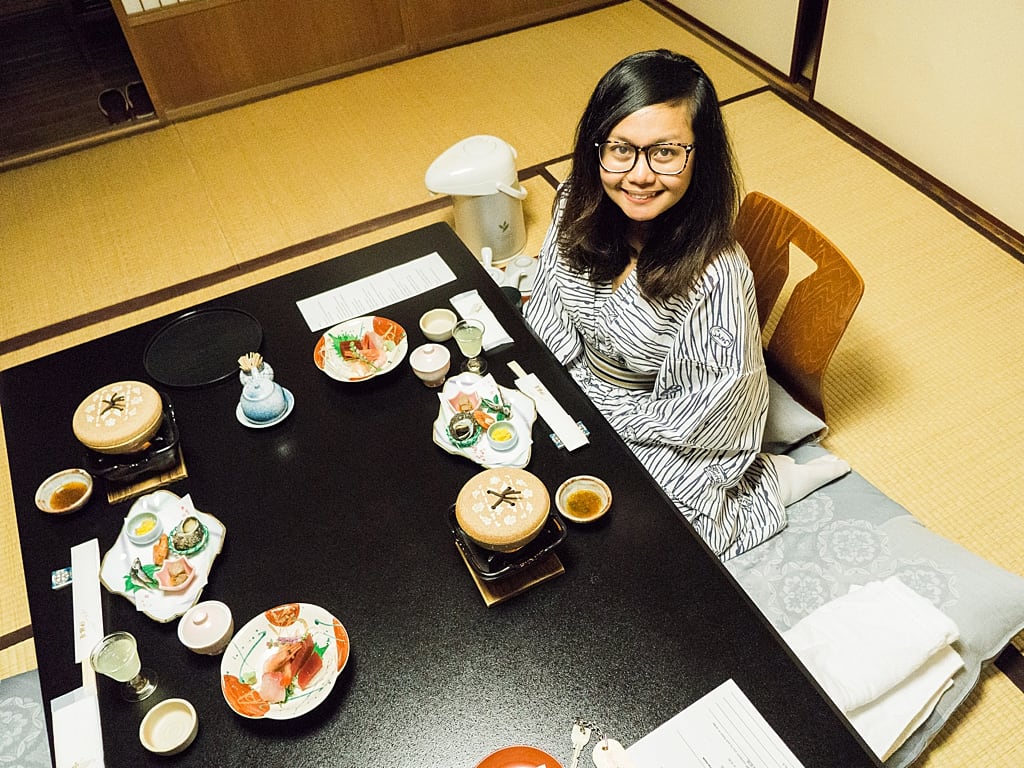
Kaiseki meal in a ryokan near Hakone with a yukata.
Hakone, part of the Fuji-Hakone-Izu National Park, is a charming small onsen town (hot spring town) with lots of art museums and nature. It’s a perfect place to unwind and soak in the mineral-rich onsen (hot spring) and escape from the hustle and bustle of Tokyo. In Hakone, your accommodation choice will play a huge role. It is not the attractions and things to do that you’re after here. But your immersion in the traditional Japanese inn that’s known for its top-notch omotenashi (Japanese hospitality)—something you must experience. Many Tokyoites come to Hakone to seek relaxation first, and sightseeing is just secondary. We believe that should be your goal as well. To achieve this goal, we highly recommend staying at a ryokan, a traditional Japanese inn, for an authentic experience. We suggest finding one that offers full kaiseki meals (conventional Japanese set meals) and has an onsen bath. If you have tattoos or can’t be bothered with being naked in public, choose a ryokan with private onsen (hot spring bath).
How to get to Hakone: Activate your JR Pass on this day! The easiest and fastest way to go to Hakone is via the bullet train from Tokyo Station (or Shinagawa Station) to Odawara Station. This is covered by your JR Pass and you will activate it before you take the train. Once you arrive at Odawara Station, purchase the 2-day Hakone Freepass. This discount excursion ticket will cover unlimited rides for all sightseeing transportation in Hakone, such as the ropeway, cable car, Lake Ashi cruising, and buses. Then from Odawara Station, transfer to Hakone Tozan Line Local (covered by your Hakone Freepass) towards Hakone-Yumoto Station. With your Hakone Freepass, you can start sightseeing using the recommended sightseeing course in your pamphlet that comes with your Hakone Freepass. Or just check-in your ryokan.
Many of the accommodations in Hakone have onsens (hot springs). Since Hakone is within the border of Fuji’s volcanic regions, having a hot spring bath in your ryokan is almost a guarantee. There is a Hyatt Regency in Hakone, but you won’t feel the omotenashi culture here. So it’s best to stay at a traditional ryokan in Hakone. When selecting your ideal accommodation, the best location depends entirely on what you want to achieve. If you’re visiting for views of Mt. Fuji, the hotels and accommodations around Lake Ashi are your best choice. It’s also near the walking trails of the peaceful and beautiful Hakone shrine. If sightseeing is your goal, then we recommend staying in the Gora area. From here, it’s also easy to reach top attractions such as the Hakone Open Air Museum and Owakudani Valley “Valley of Hell.”
If you’re looking to do a little bit of shopping or want quick access to great food options, then you are to love staying near Hakone-Yumoto Station. There are many rows of stores around here. The number of restaurants in the area outnumbers what’s found in the other parts of Hakone. Hakone-Yumoto Station also has a rich history. It opened in 1888 and is a significant part of the old Tokaido Road.
Here are the ryokans and accommodations we recommend in Hakone:
With your Hakone Freepass, you can cover pretty much every Hakone attraction, but which to go to is totally up to you. Again, the goal in Hakone is to relax and breathe the fresh air of Fuji-Hakone-Izu National Park. From our experience, 2-3 attractions are enough to see in Hakone. Here are some ideas for you to see in Hakone. We’ve arranged in the order in a matter of easy sightseeing.
Surrounding areas of Hakone-Yumoto Station. Hakone-Yumoto Station itself is an attraction to those who love to shop and for those who love quick bites. It has rows of stores of food, souvenirs, street food, and some sweet treats worth checking out. Also, check out the red bridge across from it.
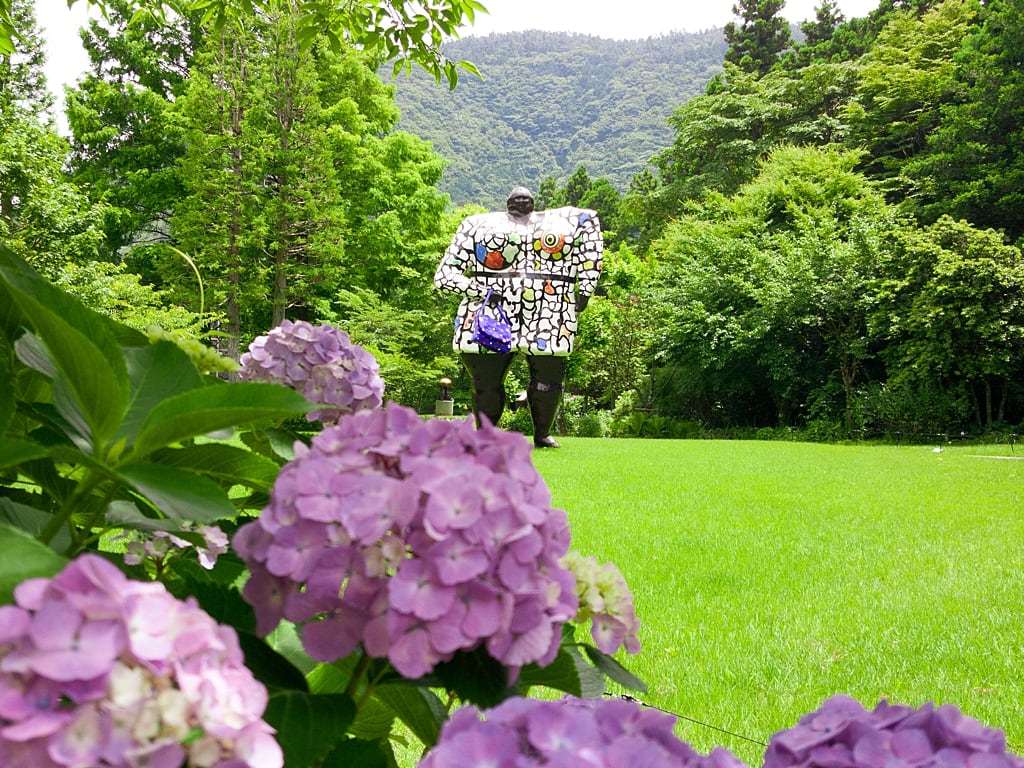
Hakone Open Air Museum. Admission fee ¥1,400. Definitely skippable unless you like art. It’s quite huge, so this museum might consume your time.
Owakudani. A geothermal valley with hot springs famous for its black eggs cooked in its sulphuric hot springs. Legend has it that eating these eggs will prolong life.
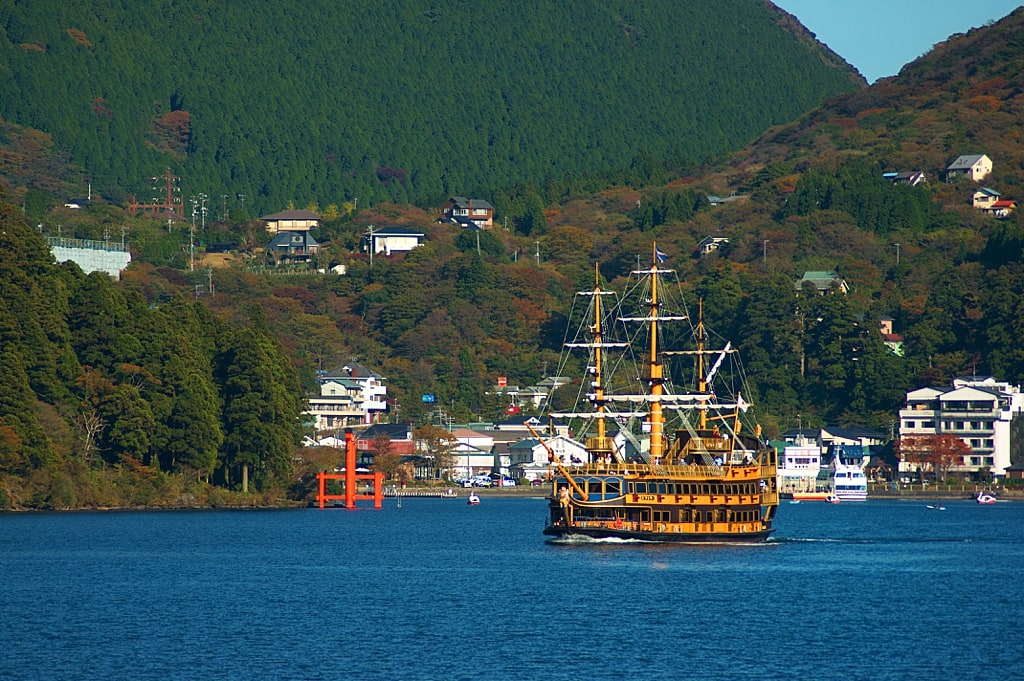
Lake Ashi. If you’re lucky and get a clear day, you can see the beautiful Mt. Fuji from here. The Pirate Ship Cruising is included in your Hakone free pass so take advantage of it. Note that depending on the weather, the cruise will not operate.
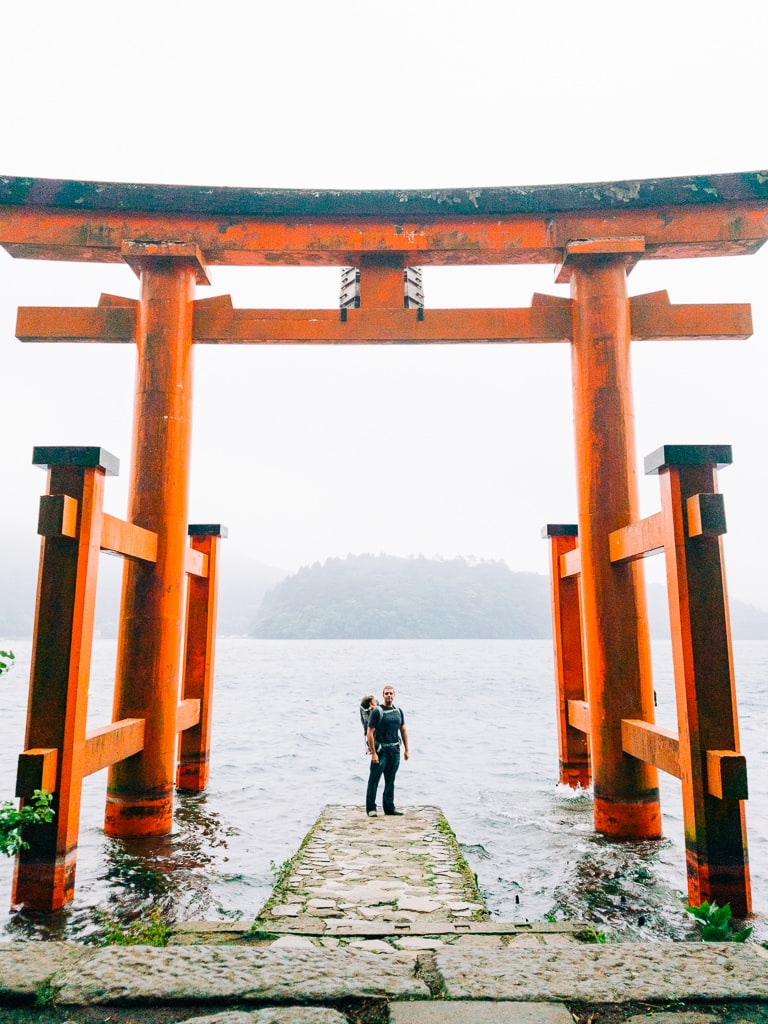
Hakone Shrine. Where the famous giant floating torii gate stands. This is an excellent photo spot! The main shrine is nestled in nature, and going to the massive torii gate is a bit of a hike.
Day 6: Welcome To Kyoto!
After breakfast, check out of your hotel in Hakone early and head to Odawara Station for Kyoto’s bullet train. Travel time is about 3 hrs. We also suggest that you get lunch or a meal in the Shinkansen (yes, they serve food! And yes, it’s surprisingly good!)
Here are some of our pre-arrival notes about Kyoto:
Stand on the right side of escalators. Kyoto follows Osaka’s rule. It forces people to walk on the left and stand on the right when riding escalators, the opposite of Tokyo. It is insulting to stand on the walking side.
Not all railways here are covered by JR Pass. Just like Tokyo, you’re going to use your IC Card here to ride the trains. You also have the choice to buy a Kyoto Pass with unlimited rides via Kyoto’s subways and buses. For this itinerary, we don’t recommend getting it. It can make you feel obligated to cram in as much travel as possible and is only valid for a certain number of days, so it’s not really worth it.
Expect attractions in Kyoto to be very crowded. Kyoto has become overcrowded over the years because Japan has relaxed the visa requirements for neighboring Asian countries such as China, Thailand, Indonesia, and Malaysia. Besides, Kyoto has gotten a lot of attention from Western foreigners because it’s cheaper than Tokyo. So consider hitting significant attractions during the weekdays to avoid some of the crowd.
You are going to walk a lot in Kyoto. If you walked a lot in Tokyo, expect even more walking in Kyoto. While still boasting a very efficient transportation system, there are a lot fewer train stations in Kyoto. So the activities require more walking to reach. This is why we recommend staying at accommodation with an onsen, to rest your sore feet after a long day!
You don’t have to see each and every attraction here. Just like in Tokyo, only prioritize interests that are important to you. I actually have a friend who got sick of seeing shrines and temples in Kyoto after following a specific travel blog’s itinerary. He expressed that it wasn’t only tiring, but it was repetitive and expensive due to paying entrance fees. Another friend also said that she wasn’t that impressed because she’s seen temples in places like Cambodia and Thailand, where the temples are extraordinary. So really think about what to include in your itinerary. But of course, to each their own.
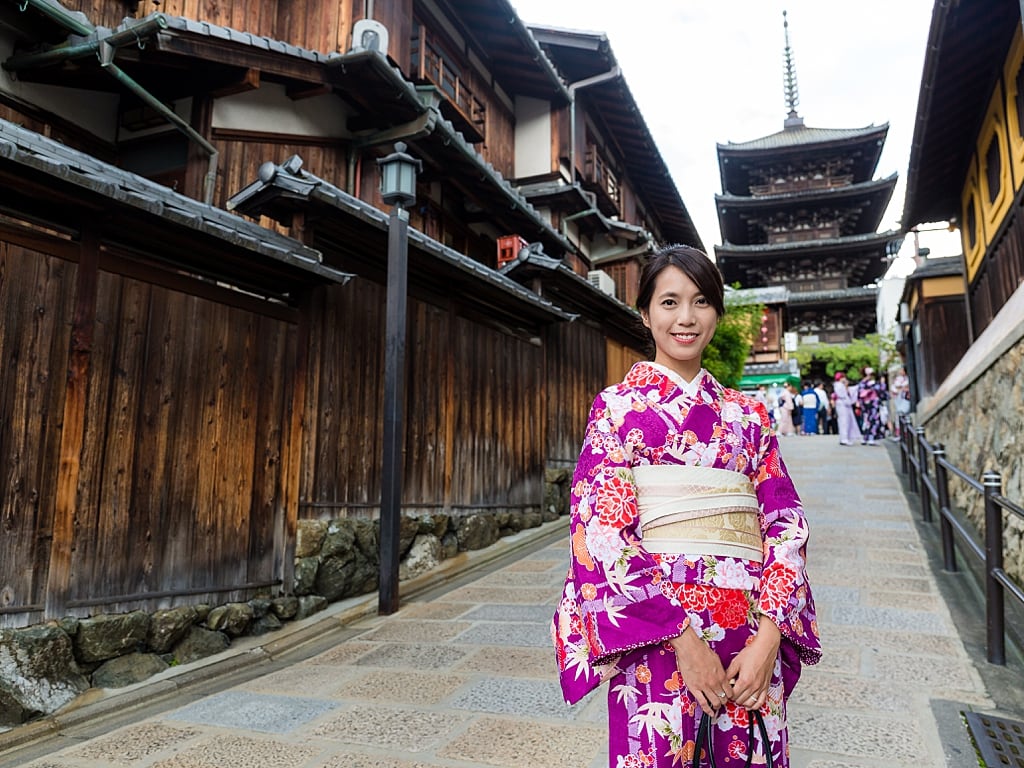
Rent a kimono. Many tourists visiting Kyoto rent a kimono to experience a bit of traditional Japanese culture while sightseeing. Think carefully about which day you’d like to rent your kimono, and be sure to consider here the rental location. It should be convenient and easily accessible from the train station and near where you will start and end your tour. It’s also essential to make your reservations online. This is a prevalent activity for both foreign and local tourists.
Here are our recommended ryokans and hotels in Kyoto:
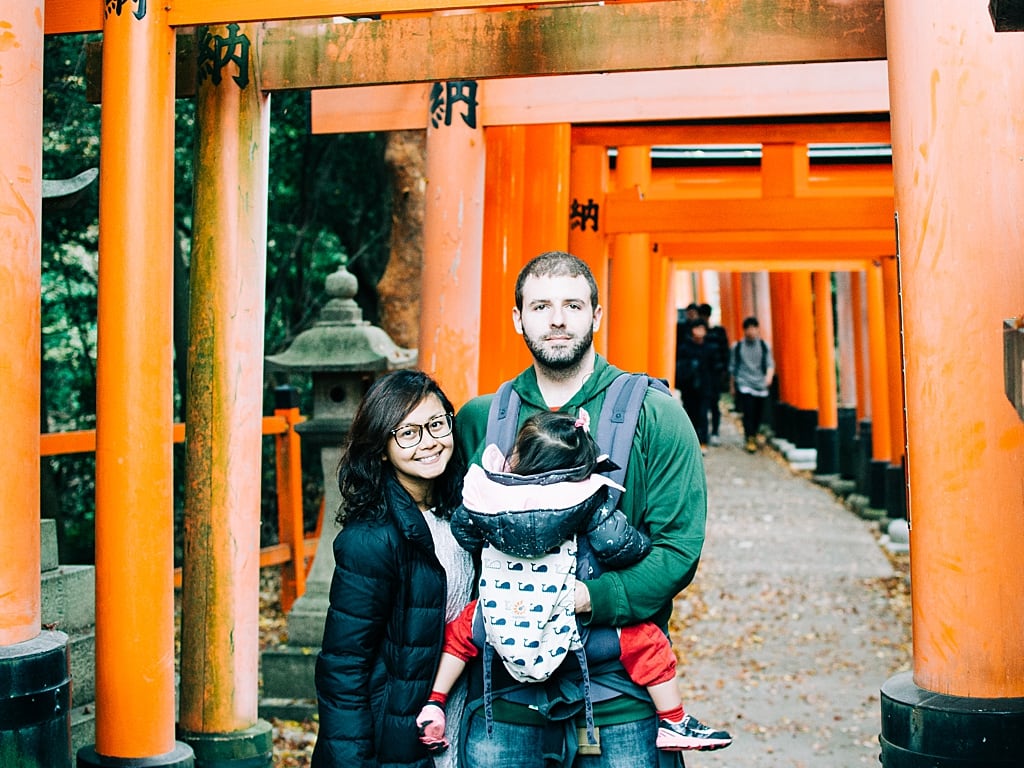
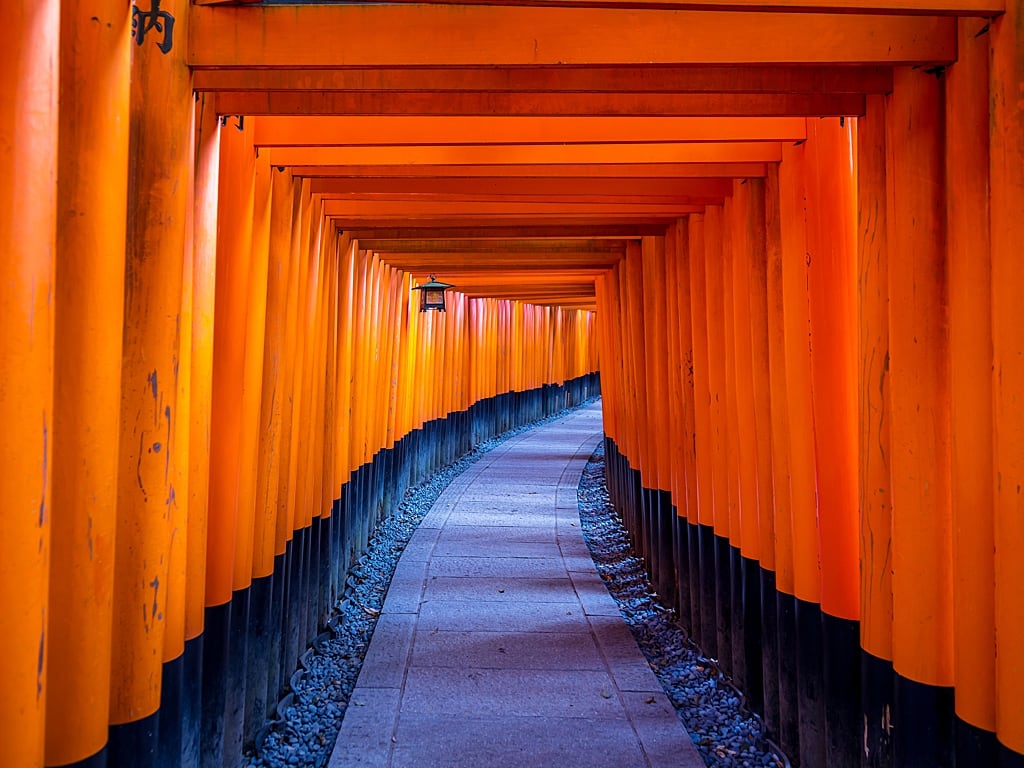
Upon arrival at Kyoto Station, Fushimi Inari Shrine is very convenient to reach via a short 5-min train ride (Inari Station covered by JR Pass). Home to Senbon Torii (Thousands of Torii Gates), Fushimi Inari is Japan’s most important shrine to Inari, the Shinto God of Rice. The shrine has very ancient roots, dating back to before 794 AD. It has a peaceful hiking trail offering some fantastic views of the city. Take some time and try some kitsune udon (fox udon; don’t worry, it’s not made of a fox) and inari sushi! Want to visit Fushimi Inari in a kimono? Make an advance reservation through this shop. It’s only a few minutes from Inari Station.
Day 7: Walking Tours or Cultural Experience
You have plenty of options here so think carefully on which activity you’d like to experience the most.
Option 1: Higashiyama Area
Kiyomizudera temple
After breakfast, head to Kiyomizudera temple, one of Japan’s most important and ancient temples, founded in 780 AD. It has massive temple grounds and is also a UNESCO Heritage site. The entrance fee is ¥300. After your visit to Kiyomizudera, head down to the famous shopping streets of Sannen-zaka and Ninen-zaka. The area has an ancient town feel as all the shops are wooden and built very traditionally. The shops sell various goods, including local treats, tea, wooden dolls, and other crafts. So be sure to bring an extra bag along if you’re interested in picking up any souvenirs!
Other notable sightseeing streets in the area are:
Yasaka-no-To pagoda. One of the iconic sites of the city featured on most Kyoto postcards.
Ishibe-koji. An attractive stoned street lined with a wooden corridor and narrow entrances to traditional Japanese restaurants and ryokans.
Nene no Michi. Stretching from Gion to Sannen-zaka, this area retains the look and feel of old Kyoto.
Please note that the Higashiyama area is minimal. So the sightseeing areas here are relatively compact. Even though we’ve listed many notable attractions here, don’t become overwhelmed. It’s easy to see them all, mainly if you are guided by a map! Click to use our walking route map. You’ll definitely spend time stopping here for photos. Be wary though, these route is often crowded, especially on the weekends. You’ll most likely end your walk at Hanamikoji Street. From there, the Gion-Shijo train station is just a 4-min walk. You can take the train to your hotel to relax or continue exploring on your own.
Option 2: Walking Tour With The “Last Samurai”
An excellent alternative to the Higashiyama area is the one of a kind walking tour led by “The Last Samurai” Joe Okada, the oldest licensed English-speaking tour guide in Japan! This is a genuinely insightful tour as Joe knows every corner of Kyoto, but he won’t take you to touristy places. Part of the time is a mini-show, “Cutting Apple in the Air.” Note that samurais in Japan were abolished a long time ago, in 1868. So Joe Okada is not actually a samurai. The title is honorary and given to him after he mentored two American students who rapidly cut apples in the air within 60 seconds. This led to both ending up in the Guinness World Records book. In 2011, he was also appointed by the Kyoto City to be the city’s Omotenashi Ambassador.
What to do in the evening of option 1 or 2 itineraries: Explore downtown Kyoto, an excellent place for shopping. A perfect place to start is the Shijo Kawaramachi Intersection near Kawaramachi Station, then walk your way towards Pontocho Geisha Alley and Gion Tatsumi Bridge.
Option 3: Experience a Traditional Japanese Culture
Experience an authentic traditional tea ceremony performed by a tea master. In the evening, enjoy a spectacular dinner with a Maiko (a geisha apprentice). With this experience, you’ll enjoy a fantastic dinner at the famous Yasakadori Enraku restaurant along with a Maiko. You’ll watch an elegant dance, play some traditional parlor games, chat, and enjoy a rare photo session. It’s truly an unforgettable experience.
Option 4: Arashiyama Bamboo Forest
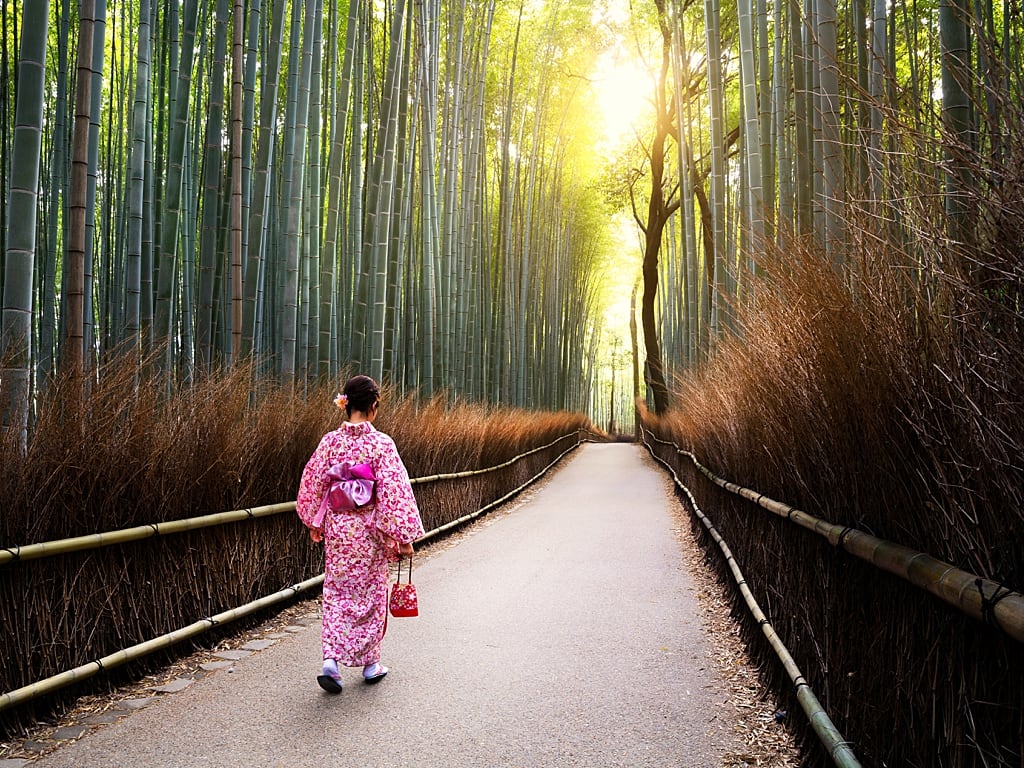
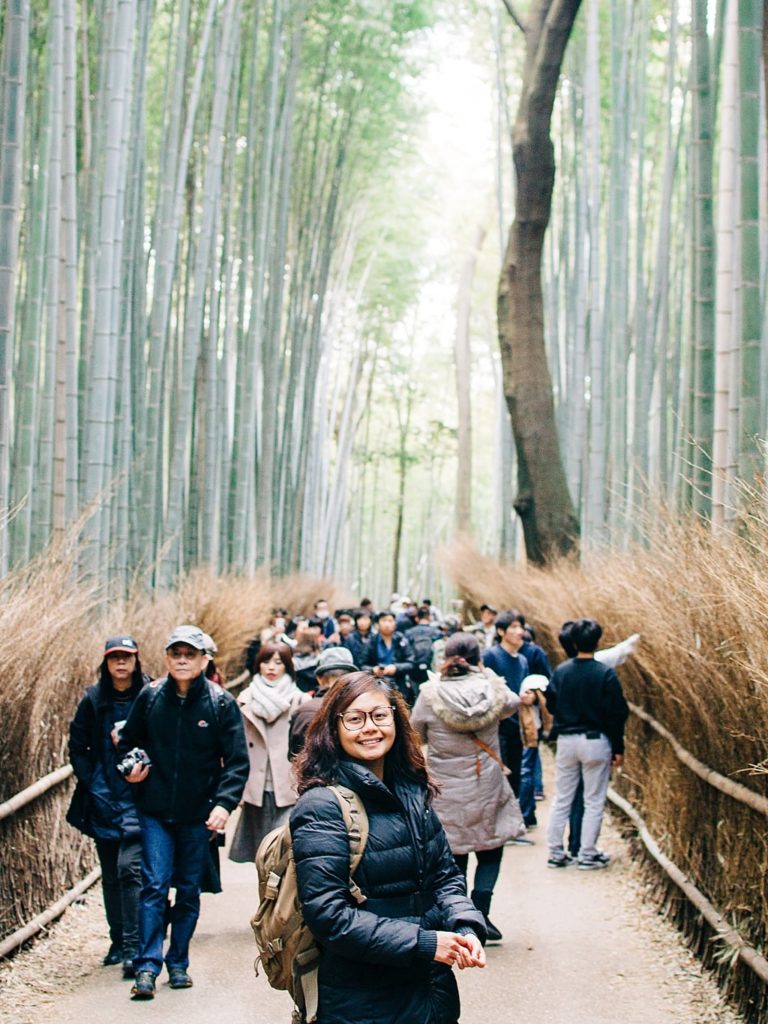
Arashiyama Bamboo Grove in Kyoto
Arashiyama Bamboo Forest is a full day trip itself as there are plenty of things to see and do here aside from just the Bamboo Forest. However, you absolutely need to hit the trail very early to really enjoy its pristine beauty as it suffers from enormous crowds after 8 a.m. So if you think you can get there before 8 a.m., do it. If not, you can skip it or try and visit around 5 p.m. after the crowd has died down. There are 3 train stations around the Bamboo Grove. Since you have JR Pass, take the JR Line to Saga-Arashiyama Station. From there, the Bamboo Grove Forest is only a 5-10 minute walk.
Day 8: Day Trip To Nara Or Osaka
Option 1: Nara
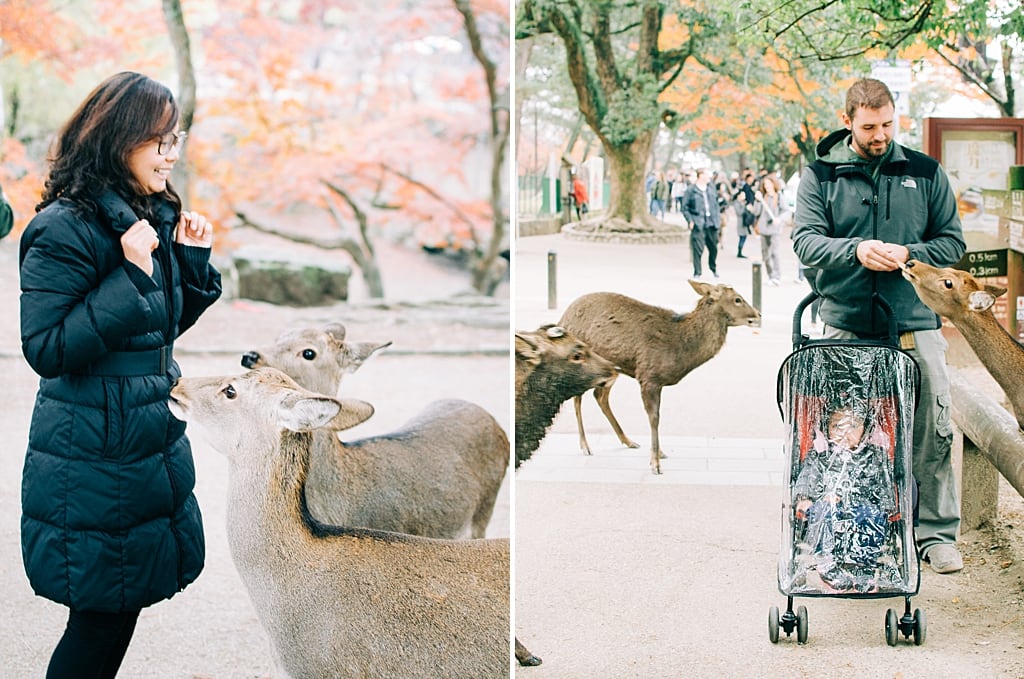
Closest Station: Kintetsu Nara. Nara is only an hour away from Kyoto. Nara offers another out of this world temple, Todaiji-Temple, the world’s largest wooden temple. Oh, and the entire town is filled with deer! Please be wary of the deer here and don’t abuse them. Also, don’t feed them too many deer cookies as they will chase you! Please be careful not to catch any ticks here. Although Japan has declared that deer in Nara are free of Lyme borreliosis, you should still be careful and protect your skin with long clothes and tick repellant.
Option 2: Osaka
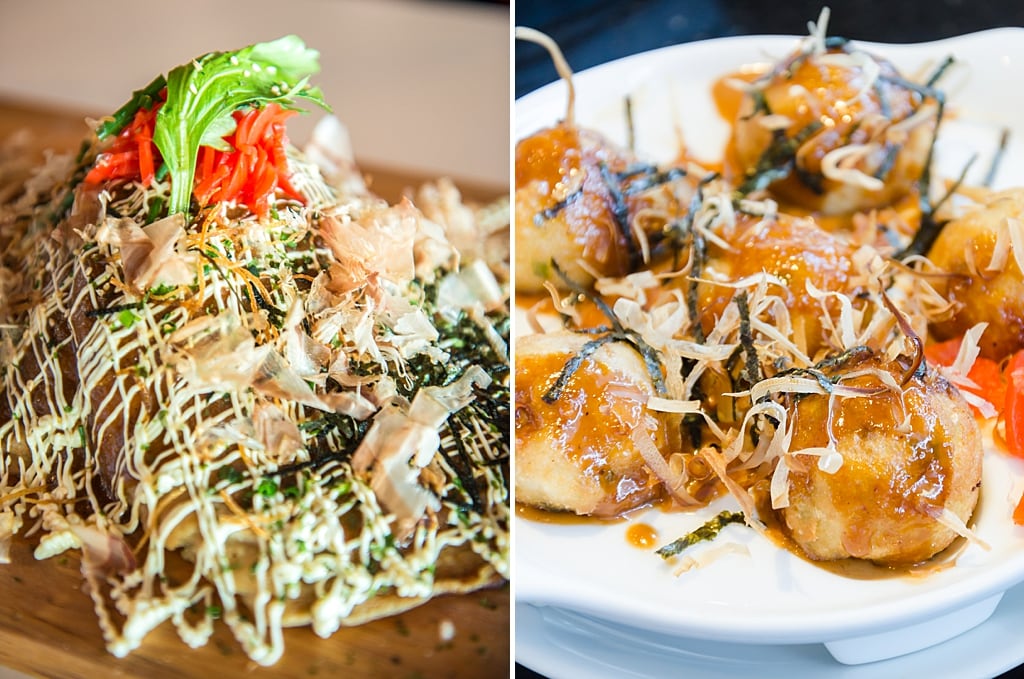
Okonomiyaki and takoyaki
Best Station to Start: Namba. Osaka is just like a smaller version of Tokyo, only older and cheaper. But the food scene here is extraordinary, earning the nickname “Japan’s Kitchen.” Should you decide to visit Osaka over Nara, make sure to join a walking food tour to elevate the experience and eat where the locals eat. The tour starts at 11 a.m. and Osaka is only 30-40 minutes from Kyoto Station. So it’s not difficult to arrive on time. There’s also an evening bar-hopping tour here. The remainder of the day is your own. Explore whichever city you’ve chosen and then return to Kyoto.
Day 9: Back To Tokyo
Omoide Yokocho in Shinjuku. aon168 /Depositphotos.com
From Kyoto to Tokyo are about 2 hours and 40 minutes. Once you’re back in Tokyo and freshened up in your hotel, we recommend heading out to do a little sightseeing. We’ve got a few suggestions for this day as well. Only choose one!
Explore Shinjuku. Walk around and feel small in Shinjuku’s business district with towering skyscrapers surrounding you, then make your way to the Tokyo Metropolitan Government Tower. It’s free to enter and offers a nice view of the entire Tokyo Metropolitan area. End your evening at either another food and drink tour to izakayas in Shinjuku. If you’re looking to experience Tokyo’s nightlife, explore the “Sleepless Town” of Kabukicho, which is filled with many night clubs and bars, loves hotels, shops, and restaurants. Or visit the Don Quijote store near the Giant Godzilla statue hiding behind the Hotel Gracery and Toho Cinema.
Explore Roppongi. Roppongi is both a significant business and entertainment area, as it transforms from a family-friendly location of art, shopping, and culture into an ‘expat playground’ at night. This place is costly for food and drinks, so be prepared to spend. Be careful in Kabukicho and Roppongi and avoid talking to foreign men that are trying to scam you.
Visit the Studio Ghibli Museum in Mitaka. For fans of Studio Ghibli, this is a must-see. The museum makes you feel like you’ve walked into the world of animation creation. Just be sure to book ahead and choose a convenient time after you arrive in Tokyo. You can click here to learn how to buy your tickets. Afterward, either take a stroll through Inokashira Park or explore Kichijoji, an exciting area like a mini-Shibuya, but cozier.
Day 10: Departure
Some people like to do a bit of last-minute shopping and sightseeing in Tokyo if their flight is in the evening. This is why forwarding your luggage to the airport the day before your flight makes your final day far more enjoyable. Just don’t forget that spare duffle bag that you packed to up stock on last-minute souvenirs. Upon boarding the airplane, I guarantee that you’ll already be thinking about your next trip to Japan. Japan is addictive! The best thing about our 10-day itinerary is that it covers many of the highlights of Japan in-depth. When planning for your next trip, it’ll be easier for you to focus on a more specialized itinerary. Giving you more freedom with other destinations in Japan you have yet to discover. Maybe on your second trip, you just want to stay in Kyushu or do the Nakasendo route. How about Hokkaido? Many people only stay in Tokyo, and that’s robbing yourself of some incredible experiences! I can guarantee you, you are going to want to come back and see more of Japan.
A Few Notes On When You Should Activate The JR Pass
Our itinerary starts in Tokyo, where most trains are not covered by JR Pass. Thus, we recommend activating it on Day 4 before you head out to Hakone. To activate it, look for the JR East Travel Service Center in Tokyo Station or Ueno Station and exchange your JR Pass eVoucher for the actual JR Pass. Don’t activate your JR Pass upon arrival because you’ll just end up wasting it. Instead, use any of the other transportation options listed in the resources below:
JR Pass is not a requirement. Get the JR Pass that is valid for 7 days should you decide to get it. The JR Pass can only be bought online and while outside of Japan. Buy your JR Pass at least two weeks before your trip. The JR Pass Exchange voucher will be mailed to you, usually overnight. Click here to order yours.
Hotel & accommodations. To save time, pick a hotel near a train station. A 15 to 20-minute walk from the train station is quite far and will be very inconvenient. Most hotels in Japan listed mention the nearest train station, so make sure they are 10 min or less walk from the train station. We recommend Booking to book all your accommodations as they have the largest database of hotels and accommodations in Japan. If you’re not a fan of the platform, Agoda is also an excellent booking site for Japanese accommodations.
Book your room with breakfast. Restaurants that open as early as 6 a.m. are rare in Japan. So make sure your hotel reservations come with breakfast. That way, you’re ready to tackle the day instead of spending half an hour searching for “breakfast near me” and wasting another half an hour walking to the place. An exception here is if your hotel happens to be near a breakfast buffet restaurant, then that’s worth trying.
Must-not miss: Sumo Grand Tournament
The Sumo Grand Tournament in Tokyo takes place 3x a year and 1x in Osaka, and each tournament event lasts for 15 days. Sumo is an essential sport in Japan. Watching the wrestlers do their rituals inside the ring is quite an experience. Please see this link for the sumo schedule.
The best luggage for Japan travel is the one that’s easily carried, such as a wheeled backpack or a wheeled duffel bag.
Train stations in Japan have a lot of stairs. Be ready to carry your bags quickly.
Japanese trains don’t have space for bulky luggage. Large-sized luggage is also very bothersome to local commuters.
Elevators and platforms are mainly reserved for the elderly, disabled, pregnant, and families with strollers in Japan. As a tourist, and if you’re none of those, you are expected to take the stairs (politeness is essential in Japan).
Pack light! This avoids your dependence on large-sized coin lockers, which are very limited in number despite the demand from less prepared tourists. Travel with a carry-on if possible.
The worst type of Travel Bag to bring in Japan
The worst type of travel bag to use in Japan are those large-sized 4-wheeled spinner suitcases. They are very bulky, wide, and tough to carry when taking the stairs and escalators at train stations. Japanese train stations surprised us a lot during our early days of living and traveling in Japan. Many train and subway stations are packed with people, and large baggage is quite challenging to navigate with.
In major cities, almost all have elevators. However, we find it generally inappropriate to use as they’re designed to be used by elderly and disabled commuters. Hence, it isn’t very comfortable to line up. That large-sized 4-wheel suitcase that you have will undoubtedly cause significant inconveniences, not just for you but also for Japanese commuters.
What Luggage size should I bring to Japan?
Each luggage piece must be under 250 cm (98 inches) of the total height, width, and length and with a maximum weight of 30kg (66 lbs).
Best Travel Bags for Japan
The ideal way to travel is to keep everything to one bag per person, or one extra large bag if you’re a family traveling with a baby. Travel with a carry-on if possible. Those staying longer in Japan opt for bags with a bit more space, not additional luggage. Before packing, I recommend evaluating what is needed for your trip to keep everything to just one piece of luggage. Read our packing list and tips here.
Here are the best luggage bags we recommend for your trip to Japan:
1. Wheeled Backpack
Wheeled backpacks are designed for maximum convenience and have a narrower profile than a typical large-sized 4-wheeled spinner suitcase. It’s perfect for those who have heavy items and plans to travel extensively in Japan. This type is beneficial for those who have the JR Pass, as you’ll need a bag that’s easily backpackable, and the wheels are a nice bonus should you get a bit tired from carrying it. Deuter HELION and Osprey Meridian are some the bestselling wheeled backpacks.
2. Wheeled Duffel Bag
Wheeled duffel bags are when traveling in Japan for two weeks or more. They are best for those who need maximum storage space, making them very useful if you’re traveling with kids or as a family. Just like the wheeled backpacks, these types of luggage are much narrower. They can usually be stored on the overhead luggage rack of Japanese trains. Thule Subterra, Thule Crossover 2, Osprey SOJOURN are some of the bestselling wheeled duffel bags. Thule brand is known for high sturdiness and durability.
3. Backpacking Backpack
If you’re joining multi-day tours or pilgrimage excursions in Japan, then you’re going to need something that’s just a backpack. Wheeled luggage won’t stand the road, so you’re going to need backpacking designed for prolonged wear, comfort, and offer enough storage for a couple of days’ worth of clothes. Deuter FUTURA VARIO, Osprey Farpoint Trekpack, and Osprey Atmos AG 65 Backpack are some of the bestselling backpacks worth checking out, which are known for being durable and weather-resistant.
Additional Packing Tips for Japan Travel
Bring a spare duffel bag. If you’re like us, then you’re probably looking to bring home souvenirs from your trip. This is where a packable duffle bag comes in handy. My husband is a hoarder of Japanese food during travel, like local versions of cup noodles and instant noodles, milk teas, and chuhais (a flavored white liquor). Keeping these extra bags with us allows us to use them specifically for these souvenirs.
Use packing cubes. Packing cubes are the single best investment we’ve ever made in travel. We bought a set several years ago and haven’t traveled without them since. Packing cubes serve the purpose of organizing, separating, and compressing your clothes. You’d be amazed at how much more you can fit into your 60L bag with proper organization. We have two different colored sets, which lets us quickly distinguish whose bags are whose. If traveling in the winter (or if you want more space), consider using compression packing cubes. They’re perfect for sweaters and down jackets, which are notorious space hogs.
Bullet Train (Shinkansen): Luggage Rules and Tips
If you’re going to ride bullet trains in Japan, it’s important to know how to properly store your bags and luggage properly.
1. Dedicated luggage storage space.
Shawn.ccf /Depositphotos.com
Some bullet trains have a dedicated luggage storage space. However, the official rules only allow you to store two pieces of luggage in this storage space. There’s a competition to get this space during peak season, and a train attendant will label your luggage matching it against your shinkansen ticket. If they find a piece of unlabeled or unattended baggage, they will remove it and drop it off at the next station!
2. Storage space behind the last row seats. There’s also extra storage space behind the seats of the last row.
For security reasons and convenience, only the passengers sitting in the last row seats are supposed to use it.
May 2020 New Rule: For storage space behind the last row seats, starting in May 2020 those looking to travel with oversized luggage, with overall dimensions over 160 cm/62 inches, on the Tokaido Shinkansen will need to reserve specific seats to store them. According to the JR website, you may still travel on the train without a reservation. Still, they will charge you an additional ¥1,000 fee for each bag, and the luggage will need to be stored in a space designated by the conductor. This new rule does not apply to musical instruments, sports equipment, wheelchairs, or strollers, but finding storage for these things can be a bit difficult.
3. Overhead rack. For luggage smaller than 160 cm — roughly the same size as carry-on luggage on a plane– you can make use of the overhead storage rack. If the train is incredibly crowded, this space can be at a premium, which is another good reason for compact luggage while traveling in Japan.
4. In front of your legs. As I said, the overhead rack could fill up pretty fast, and there is no space beneath the seats for luggage. In this case, you’ll be forced to keep the bags on your lap or in front of your legs. Fortunately, the legroom is spacious in a shinkansen. Still, keeping your luggage there may make your ride a bit uncomfortable if you have larger bags.
Note: If you’re getting close to your destination station, you must stand up to prepare to get your luggage. Japanese people move fast, and the trains are on strict schedules, so you need to pay attention to get off the train quickly, or the door will close on you, causing a ton of problems.
Japanese Secret to Traveling Luggage Free
If you’re an observer like me, you’ll notice that Japanese people seem to travel nearly luggage free to and from the airport. That’s because they utilize a service called Ta-Q-Bin, a luggage forwarding service. How does this work? You drop off your luggage at the “hands-free” counter in an airport, 7-Eleven, or your hotel concierge, and have it forwarded to your next destination. Delivery is usually within 1-2 days.
Bottom Line
There are plenty of other excellent travel bag options out there, but these are the ones that stand out to us as being perfect for Japan travel. This list may change in the future as new bags are released, but for now, I hope you find this information helpful in your decision-making process
Ever wanted to wait in line for 3 hours for a 10-minute ride? It’s not an exaggeration! Universal Studios Japan (USJ) is ranked 5th among the top 25 theme parks across the globe, and the lines REALLY can be that long.
So our article aims to alleviate your frustration of queuing to the must-ride attractions inside the park and explain everything you need to know about Express Pass tickets — the KEY to enjoying the USJ.
The Universal Express Pass is a separate add-on ticket to your park entry ticket (Studio Pass) that allows you to shorten your waiting time to ride the popular attraction rides in the USJ park.
You can buy your express pass at the park entrance, but the number of passes they sell each day is limited, so be sure to book your pass in advance.
How does the USJ Express Pass work?
Just show your Express Pass ticket to the attendant at the Express lane. They will scan your ticket and you’ll follow the lane to the point where it merges with the regular line (usually at the front).
At that point, you’ll need to scan your pass again and be good to go. While you are still likely to encounter a small line in the express lane, it should be a short wait, 5-10 minutes, rather than the up to 2-hour lines in the regular queue.
It should be noted that the Express Pass is NOT a group pass, so everyone in the group will need one to enter the Express Lanes. Also, you’re not able to transfer passes between group members either.
Why should I get the USJ Express Pass?
USJ is VERY popular and the top attractions within the park have to wait up to 3-hours long during peak season. Without an Express Pass, you’ll only ride 1 or 2 rides — not much fun, right?!
Here are 3 simple reasons why you should get an Express Pass:
To save time – Express Pass opens up your day, allowing you to take your time and explore the park at your leisure, rather than rushing from ride to ride, only to waste half the day waiting in lines.
If you have kids – If you are visiting with kids who don’t like to wait in long lines, then getting the pass will save you a headache.
Guaranteed entry to The Wizarding World of Harry Potter – Several of the USJ Express Pass tickets also automatically grant you access to The Wizarding World of Harry Potter, so you don’t need to worry about missing out on USJ’s biggest attraction.
Is USJ Express Pass worth it?
It’s absolutely worth it because you won’t have to wait for hours just to experience a top attraction.
Express Pass is pretty much a requirement if you are visiting during peak season (cherry blossom and fall foliage seasons, Golden Week end of April to early May, and Obon mid-August).
When to buy USJ Express Pass?
Book your Express Pass tickets 2-4 weeks in advance when visiting during peak seasons, especially if you are visiting with your family or in larger groups.
Why buy in advance?
USJ releases a limited number of Express Pass tickets per day and tickets sell out quickly. Because of the limited supply, you shouldn’t expect to be able to buy Express Pass tickets on the day of your visit.
This is why I highly recommend buying your Express Pass and booking it for at least 2 weeks before your park visit.
Where do I buy USJ Express tickets?
NOTE: The official USJ website is only in Japanese.
We recommend booking your USJ Express Pass tickets online, preferably from a reputable Japanese travel agency such as Klook. They’re authorized ticket sellers of Universal Studios Japan.
The additional benefit of purchasing your ticket online is that you’ll likely find many discount tickets. Your Express Pass e-ticket will be emailed to you containing the QR Code that the staff will scan when you enter the express lanes at attractions.
You can also buy directly from the Universal Studios Japan website, though, without a solid knowledge of Japanese, booking through the website can be a problem.
Personally, I got the Express Pass 4 Standard because I was only interested in 4 rides.
Buy Express Pass 7 if you want the Timed Entry Ticket to both Super Nintendo World and The Wizarding World of Harry Potter.
How much is an Express Pass ticket?
Prices varied depending on the date. Please see the all links to view the current prices.
Is Express Pass an unlimited ride?
The pass will NOT give you unlimited rides. For example, if you’ve already used your Express Pass on The Forbidden Journey Ride, you cannot go to the Express Pass Lane of Forbidden Journey again.
You will need to line up in the regular queue to ride it again.
If you want an Express Pass with unlimited rides, get the Royal Studio Pass. The Royal Studio Pass includes park entry plus unlimited express pass access to ALL rides and attractions. Royal Studio Pass is currently unavailable.
Is Express Pass Similar to Disney’s FASTPASS?
Express Pass is different from Disney’s FASTPASS. FASTPASS is free and gives you a specific time to ride an attraction, while Express Pass allows you to shorten your queue and costs money.
Express Pass tickets are sold out on the day of our visit! What do I do?
I am sorry if the USJ Express Pass is not available on the dates you chose. Thing is, Express Pass tickets do really get sell out, so you may need to plan your trip around it.
Are you okay with moving your travel date to experience USJ? That’s really the only option.
The best accommodations to stay in Kawaguchiko are ones near a stop along the Kawaguchiko Sightseeing Bus route and if possible, a place with a great view of Mt. Fuji!
With so many hotels and accommodations popping up around Lake Kawaguchi lately, choosing the right one for you can be quite overwhelming. Fortunately, we KNOW the area well, so we handpicked the best hotels and accommodations located in exceptional locations around Lake Kawaguchi.
Hotels in Kawaguchiko with the Best View of Mt. Fuji
Probably the most unique location on this list, HOSHINOYA Fuji Glamping Resort is located near Oishi Park and offers a forested retreat with rooms built directly into a mountain. Each one of these rooms faces directly towards Mt. Fuji giving its guests incredible views to both fall asleep and wake to.
The hotel doesn’t skimp on the “glamour” side of “glamping” as you could spend your entire time within the hotel grounds and still feel satisfied with your trip!
Suspend whatever negative beliefs you may have about hostels because they’re highly reputable and big business in Japan. Dot Hostel & Bar is a great example of this and even offers private rooms for families.
Of course, as it is a hostel, after all, solo and budget travelers may opt for the mixed dormitory. The hostel is also located near Oishi Park so you’ll have quick and easy access to the town and bus routes.
For those traveling in large groups, or just looking to experience living inside a Japanese home, Rental Villa Ooishiso rents entire basic two-bedroom homes at very reasonable prices (especially if you’re splitting the bill!).
The homes come complete with all the standard amenities you’ll need –stove, cookware, heaters, etc. — and offers some nice views of Fuji to boot. You’re also right next to a convenience store, which is great should you decide to cook for yourself!
As the name would imply, this guest house is located very near Kawaguchiko Station and offers cheap rooms for the price of a shared bathroom.
You’ll also have the option of staying in a mixed dormitory if you’re traveling on a strict budget, with prices in the $20+ range. The private rooms are in the traditional Japanese style with tatami flooring and futon beds.
Another hostel kagelow offers Japanese style rooms with a shared bathroom on the ground floor. The hostel offers an on-site bar and shared kitchen as well as bicycles which can be borrowed, so you can avoid needing to spend extra to rent by the hour. Most importantly, the hostel is also family-friendly, with family travelers rating it very highly.
Offering both Japanese and western-style rooms, Fuji Guest house Ao is quite simplistic and minimalist rooms at prices very friendly to your wallet.
As with most guesthouses, you’ll have shared bathrooms, a common lounge, and kitchen, and the option for either mixed or gender-segregated dormitories. The site also lends bicycles as well, so you’ll have no need to rent one separately.
Moving away from hostels and guesthouses for a minute, Fuji Scenic House 73 offers fully furnished apartments with incredible views of Fuji from your rooms. You have a choice between apartments with or without a tatami area, and each offers all the amenities you’d expect to find in an apartment, including cookware for those looking to prepare their own meals.
Closer to a traditional Ryokan than what we generally consider a guesthouse, this location offers private Japanese-style rooms with shared bathrooms. There is an onsite restaurant that serves lunch and dinner, as well as free coffee.
The property is in a great location to explore the lake and offers bicycles for its guests.
Best Family and Kid-Friendly Accommodations in Kawaguchiko
Located right on the lakeshore of Kawaguchiko, Ryokan Shuhokaku Kogetsu is a very popular accommodation which needs to be booked well in advance due to this popularity. It’s easy to see why everything about this Ryokan screams luxurious getaway.
Offering rooms overlooking the lake and Mt. Fuji, rooms with private outdoor baths, public baths, a delicious restaurant, and cozy tatami rooms, the hotel is perfect for families with older children.
Highlighting modernity and comfort the Urban Resort Villa offers fully furnished private apartments, washer and dryer facilities, and a garden with barbeque area. The apartments are modern, sleek, and beautifully furnished.
With 2 bedrooms along in these two-story apartments, there’s plenty of room for your kids to play and keep themselves occupied, giving you more time to relax and take in the incredible views of Fuji from your upstairs terrace.
Sticking with the villa and private home theme Lake Villa Kawaguchiko offers private European-style cottages that look as gorgeous outside as they do inside. Beautiful hardwood interiors give an almost antique feel to these two-story cottages, and the homes are located within well-pruned hedges, trees, and flowers, giving a feel of walking through a hedge maze.
Offering all the amenities one would expect from a private home, the real draw here is the look and feel of these homes, which is worth nearly as much attention as the lake itself!
For those looking for a more affordable cottage, La Posada offers a more simplistic home at very affordable prices. You have a choice between three styles of a cottage, allowing you to choose based on your budget.
Each offers terrace views of Mt. Fuji and allows you to utilize the common barbeque area. For the thrill-seekers among you, La Posada is also located a mere 10-minute drive from Fuji-Q Highland!
If you’re looking to experience staying in a very traditional style Japanese home, then Classic Japan Living ASAMA is your best bet. Short of staying in a home without electricity or running water, you’d be hard-pressed to find a more authentic traditional home in the area.
A bit further out of the way than some of the other accommodations on this list, it’s still a short bike ride to the lake and the many attractions surrounding it. The homes themselves are completely traditionally styled, so expect to be sitting and sleeping on the floor cushions and futons.
There are a dining table and chairs, as well as a laundry room, which is a huge plus. The site also offers a traditional Japanese kaiseki meal (multicourse meal), so you can experience the kind of food common to the timeframe of these homes as well.
One of the most popular hotels around the lake, Hotel Asafuji lives up to its name by offering beautiful views of Fuji in the morning, particularly from its onsen!
A ryokan, the hotel offers Japanese style tatami rooms with a futon and private bathroom, as well as a kaiseki meal and breakfast. The public onsen overlooks the lake and Mt. Fuji, so I suggest visiting the bath at sunrise and sunset.
Probably the newest accommodation we’ve found in the area, Sakura Fuji consists of two modern Japanese two-story homes with plenty of space for the family to relax after a day of bicycling (bicycles provided) around the lake!
The homes are very clean and modern, and both offer great views. Don’t let its place on this list fool you, Sakura Fuji is one of our favorite options for groups and families!
As a consumer, I tend to scroll past ads on top of Google searches. It’s just tricky to trust something you’re not familiar with or have never heard of before. This is why we wrote this article to help you get to know Klook and Voyagin better. These two companies haven’t really been reviewed by other bloggers.
As a result, when searching for these sites’ legitimacy, people are directed to forums like TripAdvisor and Reddit, which still leave out many details. There’s also Trustpilot, but we find it difficult to get an honest review there. People tend to only post when they’ve had a bad experience. In contrast, people who have positive experiences don’t tend to share their reviews.
Are Klook and Voyagin safe & legit?
The short answer is, yes! Klook and Voyagin are travel aggregator websites that specialize in discounted attraction tickets and local travel experiences. It’s easy to understand why their legitimacy is always in question, particularly from people who are planning a visit to Japan. Both companies consistently appear as “ads” on Google searches related to ‘things to do’ and ‘tourist attractions’ in Japan.
Our Personal Experience with Voyagin
Our visit to teamLab Borderless and Tokyo Skytree. We purchased our tickets here through Voyagin.
When our family decided to spend a weekend staycation in Odaiba, we decided to purchase our tickets in advance and avoid any hassle. In April 2019, we bought tickets to Tokyo Skytree, Oedo Onsen Monogatari, and teamLab borderless tickets through Voyagin. As it turned out, the tickets to Tokyo Skytree and Oedo Onsen were much cheaper to book with Voyagin rather than buying tickets at the counter. Which is always a big plus! The booking process, as expected, had been smooth and easy. All the tickets were sent via email, and we never had any problems using them at the sites. All-in-all, it was an excellent booking experience.
Disclosure: We paid from our own pockets.
Our Personal Experience with Klook
When we went to Nagasaki to visit Huis Ten Bosch, we couldn’t find any information online on how to book tickets in advance. Klook popped up as on Google search. As we found out, Klook had the exclusive rights to sell these Huis Ten Bosch tickets online. While we certainly could have bought tickets onsite, we didn’t want to deal with lines, so we decided to buy our tickets online. Surprisingly, booking tickets through Klook was also smooth. We had no problems exchanging our e-vouchers at the gate of Huis Ten Bosch.
Disclosure: We paid from our own pockets.
What are Klook and Voyagin?
Voyagin is headquartered in Tokyo and founded by Masashi Takahashi and Hiroyuki Hayashi in 2011 as FindJPN until Tushar Khandelwal joined in 2012 and renamed it Voyagin. In 2015, Voyagin was acquired by Rakuten in preparation for the upcoming Tokyo 2020 Olympics. Masashi founded Voyagin as he noticed that most foreign tourists weren’t using Japanese travel providers because of the language barrier. So he started FindJPN to connect travelers with local hosts to explore and experience a more authentic Japan than the one found in guidebooks.
Klook, on the other hand, is a Hong Kong-based company founded in 2014 by Ethan Lin, Eric Gnock Fah, and Bernie Xiong. And, even though it was only founded 5 years ago, Klook’s rapid rise from startup to mainstream travel company has been truly impressive. The most significant innovation that they brought to the table was the Klook App, allowing travelers to book tickets, tours, or experience easily from their phone.
Klook vs Voyagin: Which is better when it comes to Japan’s experiences?
Since our blog focuses on Japan, we aim to compare Klook and Voyagin’s services to provide unique travel and tour experiences in Japan. While many of these items have overlap with their overall offerings (e.g., customer service), we’ll be grading available Japan tours and experiences only.
1. Customer Service
Klook: Customer support is available through email only.
Voyagin: Customer support is available through telephone, chat, and email support.
Winner: Voyagin.
2. Cancellation Policy
Both have a cancellation policy depending on the Terms of the specific experience. If the page says nonrefundable or no cancellation and refunds, then that’s it.
Klook: In the past, Klook didn’t have a clear refund and cancellation policy at all, and everything on their platform was nonrefundable. But I’ve noticed that these problems have been addressed since then, and their policy is much clearer now and has really improved for each experience.
However, they don’t have an official Cancellation and Refund Policy page. They have a policy page but it doesn’t mention anything about Cancellation policies.
So, we’d like to assume that if you’re going to book on Klook such as attraction tickets, travel experience or tours, you have to READ the terms on that page CAREFULLY.
Klook’s Terms & Condition varies per activity.
Voyagin: Voyagin has a very in-depth Terms & Conditions section specifically regarding their cancellation and refund policy for every tour and experience. They have 7 different cancellation policies for the host to choose from, or by Voyagin themselves if they’re the ones providing the tour it directly.
This is tricky. We’ve investigated prices at Klook and it seemed that they were usually cheaper than Voyagin. We dug a bit deeper into why that was, so we compared tickets to Tokyo’s Robot Restaurant, Universal Studios Japan, and Mt Fuji and Hakone Day Tour.
Let’s compare them:
Robot Restaurant Cost
Klook vs Voyagin on Robot Restaurant tickets.
Robot Restaurant Cost Winner: Klook. However, Klook doesn’t have an upgrade option. So if you want to get a VIP seat, then you’ll need to go with Voyagin.
Mt. Fuji & Hakone Day Tour Cost
Klook vs Voyagin on Mt Fuji & Hakone 1-Day Tour.
Mt Fuji & Hakone Cost Winner: Klook. However, Klook doesn’t have an option for the bullet train ride. So, if you wish to return to Tokyo in style via the bullet train, then definitely go with Voyagin.
Universal Studios Japan Cost
Klook vs Voyagin on Universal Studios Japan ticket cost.
Universal Studios Japan Cost Winner: Klook. However, they ONLY offer the Studio Pass (admission) and Express Pass tickets.
So, if you want to get SPECIAL tickets such as Royal Studio Pass (unlimited Express Pass to all attractions) or SEASONAL passes like Christmas or New Year Countdown Passes, definitely go with Voyagin.
Are you seeing a pattern here? While Klook certainly offers cheaper tickets for attractions and tours, it’s because you’re most often only getting the BASELINE experience and LIMITED options.
When it comes to a variety of package options, then Voyagin goes ABOVE and BEYOND with that. If you don’t care about the bells and whistles of upgraded tickets, then Klook is good. Otherwise, you’ll need Voyagin.
Winner: Tie.
Ease of Booking (How does it work)
Klook has a mobile app where you can book tickets and experience with them. That alone is a massive win for it. Speedwise, their website is also very user-friendly and we feel that it provides a better user experience.
As for Voyagin, it’s a plain and straightforward layout, but we’ve noticed some speed issues. We hope this is something that they’ll improve in the future.
When we booked through Klook and Voyagin, both are very EASY to use and the check out process was also very straightforward.
Authentic Japanese Experiences
This is a no-brainer. Voyagin was founded with the express purpose to help connect tourists with Japanese hosts to better experience Japan and offer in-depth cultural experiences.
This tells us that despite Voyagin’s expansion of their service to other Asian countries, they still concentrate much of their effort on giving the best tours and experiences to foreigners visiting Japan since Japan is how it all started after all.
So if you are booking a Japanese experience and are looking for a more AUTHENTIC experience in Japan, definitely go with Voyagin. They are based in Japan and are LOCALS themselves.
Winner: Voyagin.
Here are some of the Voyagin Signature services that are EXCLUSIVE to Voyagin:
As you can see in the comparison we laid out above, both have their own pros and cons. While both websites are definitely legit, if you’re after a uniquely Japanese experience then it’s a no-brainer to just book with Voyagin.
If you’re traveling on a budget, then Klook could very easily save you some money and still give you a good time.