Author: Eric Wilkinson

  • Fujinomiya: Our Itinerary to the “Other Side” of Mt Fuji
    Fujinomiya: Our Itinerary to the “Other Side” of Mt Fuji

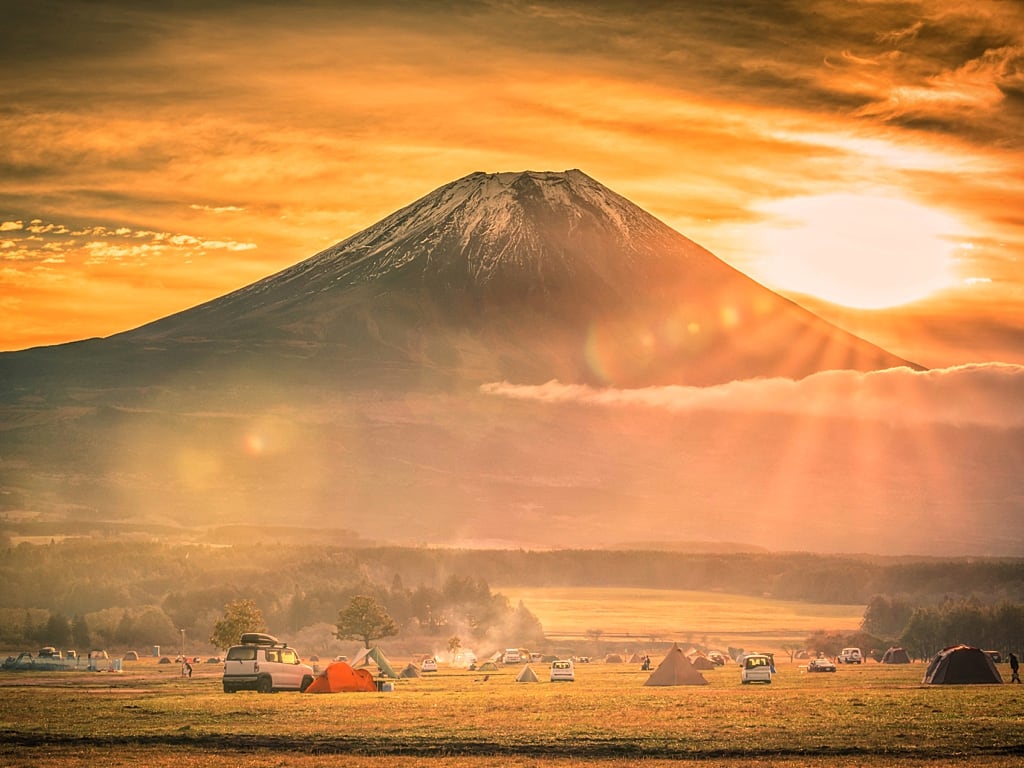
    It’s no secret at this point that our favorite place in the world is Mt. Fuji and surrounding cities and towns (see our Kawaguchiko guide). One of those incredible cities is Fujinomiya.

    Now, to be completely honest, we actually visited Fujinomiya quite some time ago, and are just now getting around to writing about it. This was not due to any failings of the city or our trip, but due to reasons outside of our control which delayed us enough that we simply forgot to ever come back to it. Also, I’m a habitual procrastinator, much to my wife’s dismay 🙂

    With that disclaimer aside, let’s give some background to the area and why we decided to visit.

    Where is Fujinomiya

    Fujinomiya Map

    Located southwest of the majestic mountain, Fujinomiya lies in the Shizuoka Prefecture, it was interesting to see the western face of Fuji, seeing as we had never traveled west of the mountain to this point (at least, not without being too far away to see it).

    The city, while large, is much smaller than places like Tokyo, Yokohama, or even Kofu (we love Kofu! Read our blog post here), and it has a very small-town feel to it despite its size. Add to this the beautiful surrounding landscape, scenic waterfalls, and incredible hiking opportunities, and it was practically screaming for us to visit!

    So in this post, I’m going to cover our itinerary for the 2-days we visited the area, and give you my overall opinion on how it stacks up to other Fuji towns/cities we’ve visited over the years (spoiler, they’re all good!). That said, two days doesn’t even scratch the surface of this amazing city, so be sure to check back for more Fujinomiya goodness in the future!

    Day 1

    Makaino Ranch

    Our daughter is funny in that she loves animals, but, as we found out, is also terrified by them. Seriously, even getting her to feed a bunny was…an experience. But we didn’t know this at the time, so when we saw that a local farm had acres of land filled with petable and feedable animals, we thought we’d found the perfect toddler-friendly attraction. And we weren’t wrong about our assessment, simply our daughter’s willingness to participate.

    The farm is home to horses, cows, sheep, bunnies, pigs, and even a few Kangaroos — for some reason. There’s plenty of activities for your child as well, horse rides, cow milking, bunny feeding, ring toss, a playground, and new activities that were being built while we visited. So the entire farm is perfect for younger children, between the ages of 2-10. Basically, any kid prior to their angsty pre-teen and teen years, when they’re only interested in whatever is on their phone at any given moment, lol.

    Our daughter, for all the love she has of animals, loved them only while she was no closer than about 6 feet to said animals. She did, however, really enjoy the playground and various farm equipment and fake animals she could take pictures with. The farm also offers milk, cheese, ice cream and produce direct from the farm in a little shop/cafe located at the entrance.

    This is a must-see for families traveling with young children, so be sure to fit it into your itinerary if possible!

    Biking around Lake Tanuki

    Lake Tanuki is a man-made lake located north of Yamanashi and offers some amazing views of Fuji and the surrounding mountains, beautiful and clean campsites, biking, fishing, and boating. So, of course, we needed to visit it!

    Unfortunately, camping overnight wasn’t on the agenda for us during this trip, but it absolutely was added to our to-do list! Instead, we rented a couple (which the shop owner ultimately didn’t charge us for. He was seemingly just excited to have foreigners visiting the area) and rode around the lake, stopping to take in the many stunning views along the way.

    For those not into camping, there is also a high-end hotel located next to the lake named Kyukamora Fuji, which has a path down to the lake and to a viewpoint offering a view dubbed Double-Diamond Fuji; where the sunrise happens to be perfectly aligned with the summit of Mt. Fuji, creating the look of a diamond atop the mountain, which is reflected onto the lake and giving it its name. This view is only really available during the morning around April 20th and August 20th, so we were unable to see it during our trip 🙁

    Guesthouse face to face

    Click here to book this guesthouse

    Okay, this one has a really funny story attached to it, but I’ll get to that in a moment. The guesthouse itself is an old Japanese style home, and the owners made us feel incredibly welcome during our stay. I highly recommend staying here should you find yourself visiting.

    With that out of the way, the story.

    As I said, the husband and wife (mostly the wife) who run the guesthouse were very friendly and welcoming, but the husband was way too excited to show us around the town and to have found a drinking partner in myself.

    While we were trying to decide on where to go to dinner he decided offered (enthusiastically) to take us to a local sashimi restaurant in the area. Here he ordered us various dishes to try, and drinks to drink (not skipping on the drinks himself) and tried his best to maintain conversations in English.

    As a side note, the restaurant was great, and the owners were very enthusiastic about having foreigners with an adorable child visiting them. In fact, they made a rice dish specifically for her for free. So a great place, although it was the first place I’ve been where a slightly raw chicken dish was actually intentionally on the menu. We didn’t get sick, so that’s a plus.

    To get back to the story, it got to the point where he was ordering so much food we started to worry about the cost, so we had to insist we were too full to go on, and that we needed to put our daughter to bed. That’s when he did the unexpected and actually paid for the whole thing.

    We couldn’t believe it, because the meal actually ended up costing more than the single night’s stay. Needless to say, his wife, who despite this was still very gracious to us and kind, was NOT pleased with him. I’ve never seen a man look so thoroughly cowed without a single raised voice. It was sad (and a bit awkward) but something we couldn’t help but laugh about later.

    The next day, feeling guilty, we literally needed to force the wife to accept our money as we repaid her for her husband’s enthusiastic night hosting us. Which, for those of you who know Japanese culture, understand how difficult it can be to get someone to accept repayment for a gift.

    This was definitely one of the most memorable experiences we’ve had in Japan to this point, and one we can’t help but laugh about whenever we think back to it. So, should you find yourself staying at this guesthouse, be sure to keep the husband’s enthusiasm in check! lol

    Day 2

    Shiraito Falls

    Visited Shiraito falls the next day

    Our last stop before heading home was Shiraito-no-taki (White Thread Waterfall), one of the most beautiful waterfalls in Japan, which gets its name from the water falling in fine white streams of resembling white silk threads.

    A short walk down into a basin created by lava flows from Fuji created this incredible 150-meter wide waterfall which is easy enough to access even with small children, so no hiking involved if that’s not your thing.

    Access to the falls costs about 1050 yen ($10), so it can be a bit pricey if traveling as a group. At the top and along the path to the falls are small shops and food stalls to buy souvenirs and snacks should you want to as well. I think this was the first waterfall our daughter had seen to this point, and she was enthralled by it…for a little while at least. While we wanted to stay and get some more photos, she decided it was a good time to leave and started walking back up the path herself.

    After the falls it was back home to plan our next Fuji adventure!

    While only an overnight stay, Fujinomiya was a great adventure to add to the list of adventures to be had in Japan. There’s still so much more for us to discover in the city and surrounding area, so we look forward to our next trip!

    Does this sound like a fun weekend getaway for you? Tell us what you think down below and check back for tours and trip reports as we continue to explore the extraordinary land known as Japan!

    WHAT TO READ NEXT:
    Lake Yamanaka: Our Itinerary in Fuji’s Biggest Lake

  • Finding the Best Coffee Shops in Tokyo

    Finding the Best Coffee Shops in Tokyo

    For a culture known for its tea, the popularity of coffee has begun to surge in Japan and many specialty cafes have started to pop-up everywhere.

    Now, anyone living in Japan knows that coffee is certainly a popular drink and is a mainstay of every convenience store and vending machines. And while a bottle of cold Craft Boss Milk Coffee (yes, a bottle) is one of my favorite drinks not named Kirin Milk Tea (drools), it’s far from what could be considered “quality coffee.”

    That’s where the thousands of coffee shops come in.

    Coffee Scene in Japan

    Popular chains like Starbucks, Doutor, and Tully’s are easily found within throwing distance of nearly every train station and are probably the main drivers of the increased popularity over the years. But there are smaller shops offering specialty roasts peppered throughout the back alleys of nearly every city.

    In this article I’ll be covering some popular coffee spots throughout Tokyo, and where you can go to find a piping hot (or cold) cup of joe sure to leave you wanting more.

    A Brief History of Coffee in Japan

    The formal term for a coffee shop in Japan is kissaten (喫茶店), however, I’ve never heard anyone ever refer to it as such. Instead, people opt for the far more common word, cafe (カフェ).

    This may be due to the fact “kissaten” doesn’t really translate well in Japanese Kanji, as well as there being a heavy western influence at the time of the introduction. Whatever the reason, asking people for the location of a kissaten will probably get you a similar reaction as asking someone for “gyunyu” (milk).

    Imported to Japan in the 1800s by the Dutch, coffee didn’t immediately take the country by storm, in fact, it wasn’t until the Meiji-era industrial revolution that coffee shops began to grow in popularity.

    The increase in popularity coincided with people increasingly moving into the cities, as coffee shops started popping up along train lines and acting as information centers for the citizenry to stop and exchange information while having a drink and a bite to eat.

    While the drink had certainly gained some popularity with the Japanese urban population, it wasn’t until the 70’s that the demand for coffee began to skyrocket. Japan was experiencing an economic and technological boom since the war, and more people than ever were living and working in cities, and Japan was increasingly adopting western values and culture.

    Today, Japan imports approximately $1.26 billion USD in coffee, and coffee shops are everywhere, from the bustling city streets of Japan’s megacities to mountain villages. This makes Japan the 6th largest importer of coffee in the world, and that’s with around 1/3 the population of the United States.

    So it’s safe to say that Japan has accepted coffee as an integral part of their culture.

    Popular Coffee Chains

    While not offering the same level of coffee and food found in most small independently owned shops, sometimes you just need a cup of coffee and a place to do some work, study, etc., and you don’t feel like going out of your way to visit your favorite cafe.

    In these cases a major coffee chain works is great because they can be found nearly everywhere and has a standard quality they need to uphold. And luckily, in Japan, that level of quality is generally far above what you’d find in America.

    I’ll be listing the most popular major chains in Japan and a location where you can find a well-reviewed shop. Obviously, there’s no need to limit yourself to this location as the entire point of chains is that you can find the one nearest you. So feel free to do so.

    1. Starbucks

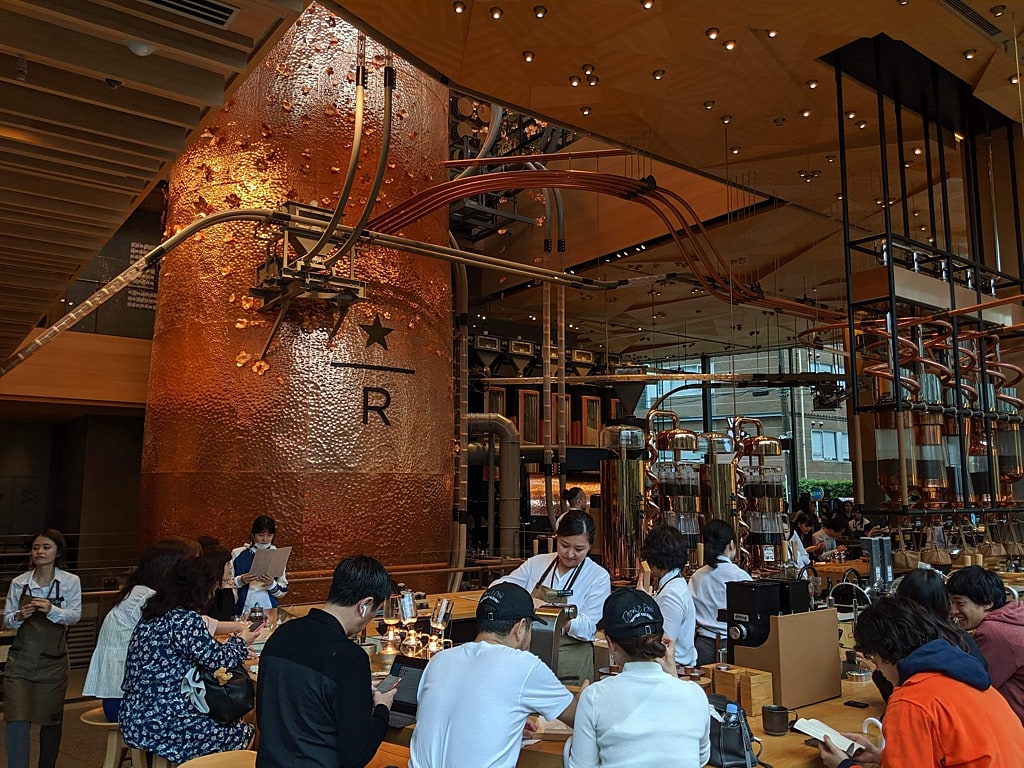
    Starbucks in Meguro

    I’m sure this first one goes without saying, but Starbucks is insanely popular in Japan. In fact, not uncommon to see multiple Starbucks on the same street or mall.

    The big reason behind its popularity here is the rotating specialty drinks they serve throughout the year, including their insanely popular Sakura Latte during cherry blossom season.

    Now, if you’re going to travel thousands of miles to visit a Starbucks you might as well make it memorable, so I suggest visiting one of the largest Starbucks in the world, the Starbucks Reserve Roastery, along the Meguro River.

    Try Starbucks here: 2 Chome-19-23 Aobadai, Meguro City, Tokyo 153-0042, Japan

    2. Tully’s Coffee

    The American chain of Tully’s Coffee may have been bested (crushed) by Starbucks, but it found a foothold in Japan (under different ownership) and thrived, opening over 600 shops across the country.

    Tully’s is very similar to Starbucks in both menu and quality, but is generally a little less crowded, so it can be a good alternative to the mega-chain if you’re looking for a familiar brew during your trip.

    Try Tully’s Coffee here: 1 Chome-1-31 Hanakawado, Taito City, Tokyo 111-0033, Japan

    3. Komeda’s Coffee

    I’m a bit surprised I don’t see this cafe come up more in online lists of popular coffee shops in Japan, but that’s perhaps due to it being a local favorite and somewhat lesser-known to ex-pats and foreigners. Established in 1968 in Nagoya, Komeda has grown to over 700 shops throughout Japan offering quality coffee in a quiet and relaxing atmosphere.

    Their signature Komeda original blend coffee is definitely worth the trip. And at only 400 yen it’s quite a bit cheaper than many of the other major chains.

    Try Komede Coffee here: 〒150-0002 東京都渋谷区渋谷1丁目6−5 SK青山ビル

    4. Doutor

    Probably the most well known Japan-based coffee chain is Doutor, with around 1100 shops throughout the country, not including the other cafes owned under the Doutor brand. It’s known for its affordable menu and great coffee. The menu includes much more than just coffee, with sandwiches, yogurt drinks, and desserts available, making it a perfect spot for a light lunch.

    The Doutor specialty blend coffee is a perfect companion to any of the sandwiches on offer, and can easily be paired for under 1000 yen. I recommend trying the Doutor blend with whipped cream during your visit.

    Try Doutor here: 1 Chome-23-15 Kabukicho, Shinjuku City, Tokyo 160-0021, Japan

    5. Excelsior

    Also owned by the Doutor company, Excelsior was created to be a chain of Italian-style coffee houses without the high prices you would expect from a specialty cafe. They succeeded in their endeavor and created yet another incredibly popular coffee chain, further cementing Doutor Coffee as a cafe powerhouse within Japan.

    The interior of each shop has a very relaxing atmosphere, and the menu is extensive, offering a large variety of coffee, espresso, and iced drinks, as well as modern Italian style sandwiches and desserts.

    Try Excelsior here: 1 Chome-26-1 Nishishinjuku, Shinjuku City, Tokyo 160-0023, Japan

    6. St. Marc Cafe

    The most high-scale of the popular chains on this list, St. Marc Cafe offers a wide range of coffee, including their own house blend, espresso, and Vietnamese coffee (which I can’t recommend enough). Expect to pay a bit more here than the other shops listed, but you definitely get the quality that you pay for.

    Along with coffee, the shop offers an assortment of food options, but the specialty is the ChocoCro — chocolate croissant — which is a big reason behind the shop’s popularity and goes great with a hot cup of coffee.

    Try St. Marc Cafe here: 3 Chome-4-14 Mejiro, 豊島区 Toshima City, Tokyo 171-0031, Japan

    Specialty Coffee Shops

    If you’re looking for the best coffee in Tokyo then you’re going to need to venture out from the major chains and, sometimes, do a bit of walking. As with basically all food in Japan, the best coffee will be found in the back alleys or specialty shopping districts. But the search is worth it.

    These are some of the best cafes I’ve found so far in Tokyo, but as with the major chains, don’t limit yourself and do a bit of exploring on your own. These are thousands of small cafes throughout Tokyo alone, so you’re sure to find the right one for you!

    1. Turret Coffee Tsukiji

    Named after the old Turret trucks which were used in the Tsukiji fish market, as well as featuring one just outside of the shop, Turret Coffee is known for its full-bodied dark roast coffee which is sure to impress. While sipping your coffee be sure to try the dorayaki (Japanese pancake filled with sweet red bean paste).

    The coffee is made from beans by Hiroshi Sawada, owner of the well-respected Streamer Coffee co, and the quality shows. I highly recommend stopping in for a cup before spending the morning visiting the old Tsukiji Fish Market.

    Try Turret Coffee here: 2 Chome-12-6 Tsukiji, Chuo City, Tokyo 104-0045, Japan

    2. Yazawa Coffee Roasters

    Known as Tokyo’s “Secret Coffee Stand” Yazawa Coffee Roasters has a very simple menu, no tables, no chairs, no food, just incredible coffee. They make all their coffee via the pour-over method, ensuring the richest flavors from the coffee, and the coffee beans they have on offer can change throughout the year, giving you a nice variety of flavors.

    This is absolutely a coffee connoisseur spot, so if that’s you, then make sure to add this spot to your itinerary.

    Try Yazawa Coffee Roaster here: 4 Chome-10-12 Tsukiji, Chuo City, Tokyo 104-0045, Japan

    3. Sarutahiko Coffee

    First opening in Ebisu in 2011, Sarutahiko Coffee has grown to 16 different locations across three countries. Of all those locations I’m recommending you visit the coffee stand that started it all. While not offering the same food options of the larger stores, their flagship store holds special importance to the owner, and will always have the most talented baristas running it.

    Hot and iced coffee, latte and espresso, original blend and single origin, the options may seem simple but they’re all expertly brewed and sure to satisfy. I recommend the Cafe Mocha during your visit, or the Cappuccino if you’re looking for something a bit less sweet.

    Try Sarutahiko Coffee here: 1 Chome-6-6 Ebisu, Shibuya City, Tokyo 150-0013, Japan

    4. Drip Bar COFFEE AND CRAFTS

    When it comes to off-the-beaten-path coffee shops, you won’t find many places that fit that description quite as well as Drip Bar COFFEE AND CRAFTS.

    Also known as Pencil and Paper (a source of confusion when looking for it), the cafe is located between Daikan-yama and Ebisu stations, in the middle of a residential area and hidden among the overgrown trees and bushes in front of the shop. I honestly walked past it no less than three times before finally seeing it.

    The cafe is small and run by a single man who is incredibly meticulous while brewing each cup of coffee, down to the exact pouring temperature of the water. He usually has around six different roasts of coffee and offers some small snacks, such as cake, to go along with the coffee.

    Upstairs is a small art gallery featuring local artists for you to peruse. You can also buy art if you feel taken with anything. I can’t recommend this cafe enough.

    Try Drip Bar COFFEE AND CRAFTS: 3 Chome-2-7 Ebisuminami, 渋谷区恵比寿南 Tokyo 150-0022, Japan

    5. Onibus Coffee

    In a small unassuming building one of the best specialty coffee shops in all of Japan. Omnibus Coffee gained a huge amount of popularity quickly with customers searching for third-wave cafes throughout Tokyo.

    The aroma of coffee beans roasting on-site makes the experience all the more memorable as you sip your coffee in the delicate locally-made porcelain cup. Drip, americano, latte, or espresso, coffee takes center stage here, but there are some small sweets to pair with your coffee as well.

    While the variety may seem limited you gain the ability to choose the beans used in your coffee, and there are quite a few single-source beans to choose from. Should you take a particular liking to a coffee, the shop also offers bags for sale, allowing you to take a bit of Onibus home with you.

    Try Onibus here: 2 Chome-14-1 Kamimeguro, Meguro City, Tokyo 153-0051, Japan. Or check out this post.

    Conclusion

    This article doesn’t even begin to scratch the surface of cafes in Tokyo, but I believe it’s a good starting point. I can only see this wave of coffee popularity continuing to grow and I expect even more independent shops to pop-up over the years.

    If during your visit you find a particularly memorable cafe not listed here, please let us know about it in the comments below! Enjoy your coffee pilgrimage in Tokyo!

    Recommended coffee blogs and resources in Japan:

    • Good Coffee – Specialty coffee and coffee stands in Japan and beyond
    • Tokyo Coffee – Unique guide and stories of the author’s (Eric) coffee adventures in Tokyo

    WHAT TO READ NEXT: Guide to joining a bar-hopping tour in Tokyo

  • Japan Vacation: Every Cost You Need to Know

    Japan Vacation: Every Cost You Need to Know

    Key Point Summary:

    • Plan to spend around US$350-US$1,500 per person per day on your trip to Japan.
    • A 2-week vacation to Japan costs around US$5,000 per person.
    • A 10-day vacation to Japan costs around US$3,500 per person.
    • A 1-week vacation costs around US$2,450 per person.
    • A round trip flight ticket from the U.S. to Japan costs US$700 to US$1,500 per person.
    • Expect airfare and hotel prices in Tokyo to SKYROCKET during the 2021 Summer Olympics from late-July to early-September.
    • The cheapest time (off-season) to visit Japan is from mid-January to mid-March.
    • Peak seasons are from late-March to mid-May (cherry blossom season) and from mid-October to early-December (fall season). It’s also the most EXPENSIVE time to travel.
    • Hotel and accommodation rates in Japan range from US$30 to US$600 per person per night or an average of US$120 per person per night. Hotel prices can skyrocket during peak seasons.
    • In Japan, most hotels’ rate is charged by per person, not per night.

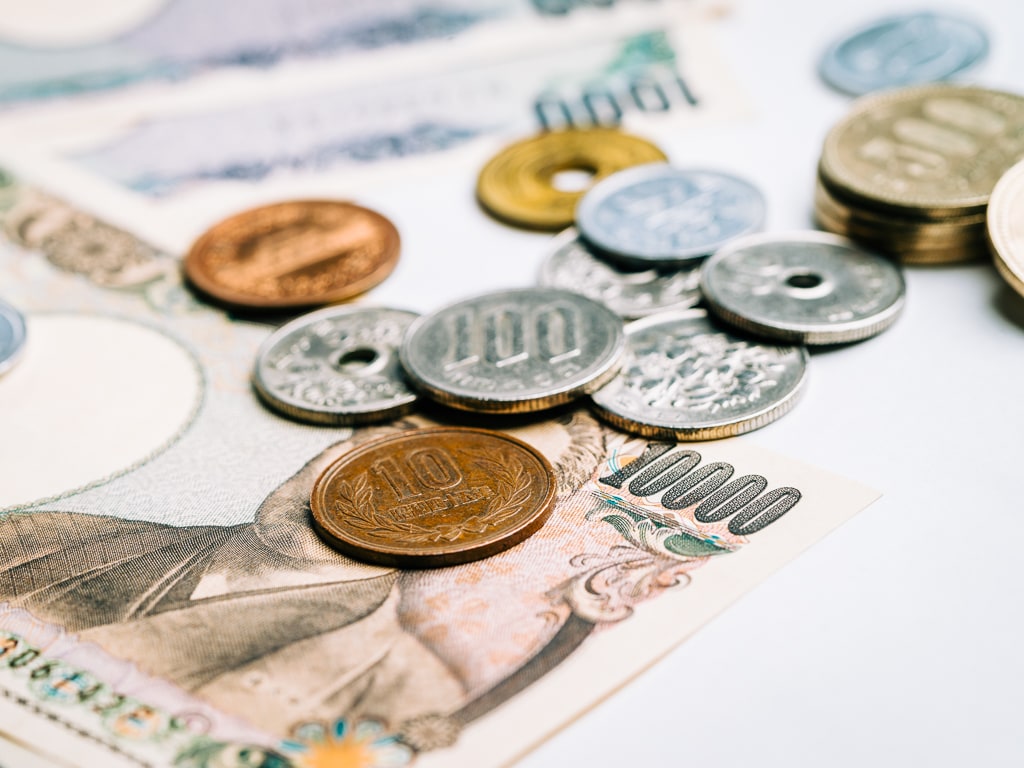
    10,000 JPY = 95 USD
    Estimated exchange rate as of 2020

    Is Japan expensive?

    The short answer is: It depends. Japan can be as expensive or affordable as you make it. If you’ve spent any amount of time in a major city like Los Angeles, New York, or London, then you’ll find Japan as a whole cheaper in most ways.

    The cost will LARGELY depend on your hotel class, your itinerary complexities, attractions you want to visit, and Japanese cultural activities you want to experience. There are also ways to travel Japan for less such as using points for flight tickets, taking package tours, and limiting your extra spending.

    This is why knowing the prices of things in Japan before you travel can be such a powerful money-saving strategy as it gives you a clearer picture of how much you can plan on spending, allowing you to budget accordingly.

    So I hope this article helps you better plan your trip to this amazing country!

    How much does it cost to go to Japan for 2 weeks?

    Cost
    (per person)
    Roundtrip airfareUS$1,000++
    Pocket WiFi (internet)US$70
    HotelsUS$2,100+ ($150+ per day)
    MealsUS$700-US$900 ($50-$100 per day)
    Local transportationUS$200
    Local tours, cultural experiences, and theme park attractionsUS$250
    SouvenirsUS$150
    Japan Rail PassUS$435
    Average Cost of 2-Week Trip to JapanUS$5,200++

    This is based on a tourist who doesn’t mind spending on Japanese experiences, theme parks, and food during their trip.

    This can be cheaper as the Japan Rail Pass is optional or can be higher depending on the airfare and hotel prices.

    We’re a family, and we LOVE food and Japanese and cultural experiences. If you’re like us, your budget would like the above-mentioned.

    Now, let’s get to the nitty-gritty details!

    How much does it cost to fly to Japan?

    How much does it cost to fly to Japan
    Flying over Mt. Fuji.

    Flights to Japan are getting cheaper and cheaper. However, it’s still almost guaranteed to be the biggest expense you’re likely to encounter during your trip. As with most airfare, the prices vary greatly depending on your point of origin and the season visit.

    TIP: When flying to Tokyo, we recommend flying into Haneda Airport (HND). It is much closer to Tokyo and transfer is cheaper.

    1. Round trip flights to Japan from January to March cost about US$700-US$800+.

    Winter is one of our favorite times to travel in Japan, and flight costs are quite low this time of year.

    2. Round trip flights to Japan from April to June cost about US$900-US$1,200+.

    The most popular times of the year to travel to Japan! This is due to the cherry blossoms (late-March) and June is the start of the Mt. Fuji climbing season, so the fares reflect that.

    3. Round trip flights to Japan from July to September cost about US$1,200-US$1,500+.

    Summer is normally the worst time of year to visit Japan because of the oppressive humidity of the summer heat, rain, and high chances of a typhoon.

    4. Round trip flights to Japan from October to December cost about US$900-US$1,200+.

    Just like the cherry blossom season, October to December is far and away expensive times to fly to Japan due to koyo or red leaves season.

    Average cost of hotels and accommodations in Japan.

    When booking accommodations in Japan I wouldn’t worry too much about the star-rating (unless you’re into that).

    Not only are many of the best hotels we’ve stayed at in Japan 1 to 3-star hotels, but you’re not going to be spending enough time in the hotel for it to matter. All that really matters in this regard is cleanliness, and everything else is extra.

    We recommend booking your hotel at our favorite hotel site Booking.com. We used to love Agoda, but we find that Booking always has better availability of hotels in Japan.

    1. Luxury hotels in Japan cost about US$400+ per night.

    These hotels are the 4 and 5-star hotels many dream of being able to stay in while traveling. These include names like Hyatt, Four Seasons, and Ritz-Carlton, but have many Japanese counterparts as well.

    Most of these hotels have one thing in common; they’re western-styled hotels, although many luxury Japanese style hotels exist in the form or ryokan (we’ll get to that later).

    2. Mid-range hotels in Japan cost about US$70-US$120+ per person per night.

    Also called as Business Hotels in Japan. These are our hotels of choice while traveling. Don’t get caught up on the word business, these hotels represent the mid-range hotels you’d find traveling anywhere else, with FAR higher quality than you’d find in most American cities.

    Many of these hotels offer minimalist rooms but with good amenities, such as breakfast, fitness centers, free internet, and even onsens. Our hotel of choice here is the Dormy Inn chain, as they have onsen and free ramen and beer!

    3. Economy hotels and hostels in Japan cost about US$30-US$100+ per person per night.

    Hostels have gotten a bad reputation over the years (I blame the movie). But a Japanese hostel couldn’t be any further from what you may be picturing.

    They offer mixed and gender-specific dorms at a very low cost, but many also offer private rooms for couples or families for less than a business hotel. Expect to have a shared toilet and bath, however.

    4. Capsule hotels in Japan cost about US$50-US$100 per person per night.

    Sort of like a luxury hostel, a “capsule” in these hotels is a bunk that is fully or semi-enclosed and offers more privacy for the individual traveler. Many of these hotels are combined with onsens, which explains the higher cost and may also be gender-specific (the onsens are always specific).

    The downside here is that most of these capsules are designed for Japanese people, and aren’t long enough to fit most foreigners. And, while it should go without saying, if you’re claustrophobic then these are also a no-go.

    5. Airbnb apartments in Japan cost US$50-US$150+ per person (or per night)

    After a shaky start due to legal battles, Airbnb has begun to find its legs in Japan and has become a popular option for families. Many don’t offer refunds even in the event of a natural disaster, so be aware of that.

    AIRBNB BONUS CREDIT: If you’re new to Airbnb, you can sign-up using my link to get $45 Airbnb credits which you can instantly use for your first stay.

    6. Ryokans cost about US$80-US$1,000+ per person (or per night).

    Ryokans cost about US$80-US$1,000+ per person (or per night)
    Kaiseki meal in a ryokan.

    This type of accommodation has the greatest range in price. Usually found in the US$80-US$200 range and luxury versions soaring from $800-$1,000 per person.

    A ryokan is a traditional Japanese inn typically a single room with tatami flooring and a single table. The bed is a futon which you layout in the evening and put away each morning. A yukata (a cotton kimono) is also provided which is meant to be worn when going to the bath.

    We recommend that you stay at least a night or two at a traditional ryokan to truly immerse yourself in the omotenashi (art of Japanese hospitality) culture. The highlights are being served a kaiseki (Japanese multi-course meal) in your room and relaxing in open-air hot spring baths.

    7. Minshukus cost US$50-US$150 per person

    Japanese style bed-and-breakfast, a minshuku is very similar to a ryokan except that these are family-operated and are generally a room within the family’s home.

    Another difference is that the cost is usually per person rather than per night, as many of these establishments also include meals. With the advent of sites like Airbnb, minshuku has been becoming more popular, although finding a traditional experience isn’t guaranteed.

    How much does food cost in Japan?

    We recommend budgeting at least US$50 per person per day for food and drink when traveling in Japan.

    • Breakfast: US$10
    • Lunch: US$12
    • Dinner: US$20
    • Beer and random Japanese food: US$10

    When it comes to food and drink in Japan, you could either spend a lot and have incredible food, or spend considerably less and STILL have incredible food. So you can’t really go wrong with either strategy.

    Restaurants may be a bit pricier than you’re accustomed to because you don’t tip your waiter here. So in many cases, you’re actually saving money. (Learn more about tipping and Japanese etiquette here)

    NOTE: Most restaurants really don’t like to split checks here, so if you’re traveling as a group, be prepared to pool your cash. If you still want to try separating the check, just say betsu-betsu, onegaishimasu while separating your index fingers. They’ll get the idea.

    Japanese Food & Restaurants

    1. Izakayas: US$20-US$30 per person

    Izakayas are traditional Japanese bars known for small finger foods and jovial patrons. Many of these places offer cheap drinks and moderately priced food, usually of the grilled or deep-fried variety.

    For some food and a couple of drinks, you’re looking at between US$20-US$30 per person, so the price can add up quickly if you’re not careful.

    2. Yakitori: US$1-US$5 per stick

    Yakitori is also a form of Japanese barbeque but is also more of a bar option than a proper dinner. While it translates into “grilled chicken” it isn’t limited to it. It consists of pieces of grilled meat on a stick costing between US$1-US$5 per stick.

    3. Yakiniku: US$20-US$40 per person

    Yakiniku is a Japanese barbeque where you are given raw meat and vegetables to cook on a grill in the middle of the table. This is one of our family’s favorites when we’re looking for a nice dinner out, and you (usually) have 2 options: pay as you go or a flat-rate buffet.

    The pay as you go can be a cheaper option, but the price can really add up fast, and it’s not uncommon for the bill for a group of 4 to go over US$100.

    The flat-rate is usually what we choose, and you can expect prices to range between US$20-US$40 per person for dinner, or as low as US$15 per person at lunch.

    4. Family restaurants chains: US$8-US$15 per person

    Family restaurants are sort of Japan’s version of Denny’s and Friendly’s. The difference here is that the most popular chains of these restaurants offer basically the same meals; steak, hamburger steak, chicken, or fish served with fries or spaghetti.

    So not the greatest variety, but the restaurants offer quality over quantity. Popular family restaurant chains in Japan are Jonathan’s, Saizeriya, and Cafe Gusto.

    5. Kaiten Sushi: US$1-2 per plate

    Kaiten Sushi also called sushi-go-round or conveyor belt sushi are a great option for families or anyone else looking to save a bit of money. It’s not easy to find a “bad” sushi place in Japan, so while sushi go-rounds is certainly the “budget sushi” of Japan, it’s still likely better than anything you’ve had to this point.

    You can either take the sushi you like from the belt as you see it, or order the sushi you want directly from the (usually digital) menu. Either way, the price is the same, with most sushi costing US$1-US$2 per plate (2 pieces of sushi). Depending on how much sushi you can manage to eat, expect to spend about US$10 per person.

    6. Convenience stores: US$5-US$8 per person

    Convenience stores are AMAZING in Japan and offer legitimately good food at low prices. Without exaggeration, convenience stores are probably 80% of our dinners when we don’t feel like cooking.

    You’ll find sandwiches, bentos (boxed meals), ramen, yakitori, soups, snacks, and pretty much anything else you want, and I’d be amazed if you weren’t satisfied with your choice.

    Of all the choices, the most popular are the bento boxes which consist of some form of rice and meat combination, and costs between US$5-US$8 each. So expect a full meal with drinks for a family of four to cost between US$26-US$30.

    7. Ramen bowl: US$6-US$15 per person

    Ramen is my favorite food in Japan, and whatever you believe “good ramen” is from your experiences in your country, forget it, it doesn’t hold a candle to ramen in Japan.

    Thankfully, ramen is also a pretty cheap meal option as well, although the price can vary a bit depending on the shop. As a general rule, expect to pay somewhere between US$6-US$15 per person. The higher price usually applies to those asking for “oomori” servings (extra large) and/or extra toppings or sides like gyoza.

    Drinks

    1. Bottled water: US$1-US$1.20

    Bottled water can be found in basically every vending machine and store. We recommend bringing your own water bottle during your sightseeing. Tap water in Japan is safe to drink and it saves a lot of money!

    2. Tea: US$1.50 per bottle

    Bottled tea is a very popular drink in Japan and comes in many more varieties than just green tea.

    3. Coffee: US$1.50-US$2.50 or US$3-6 from a coffee shop

    Coffee has gained a lot of popularity recently in Japan, to the point that it’s in their vending machines (offering both hot and cold coffee). Expect to find a bottle or a can of tasty coffee in stores or vending machines for about US$1.50-US$2.50 per bottle/can.

    4. Beer and alcohol: US$2-US$12

    Beer, sake, and alcohol, in general, are an important part of Japanese culture. It can be found anywhere, including fast-food chains like McDonald’s. A can of beer at a convenience store can cost around US$2, but the price in restaurants and bars can vary wildly depending on where you are.

    In major entertainment districts like Roppongi or Shinjuku, expect a pint of beer or mixed drink to cost around US$10-US$12, whereas in smaller cities it can be around US$5.

    Sake, on the other hand, is actually not as popular among the Japanese as you might think, and can be found at the lower end of that scale pretty consistently.

    5. Soda: US$1.50-US$2.50

    Soda isn’t as popular as the other drinks on this list, but costs about the same, at around US$1.50-US$2.50 per bottle. The flavors here are different than you’ll find in the U.S., with even favorites like ginger ale, coke, and mountain dew tasting less sweet than what you may be accustomed to.

    6. Other drinks: US$1.50-US$2.50

    Other drinks include things like my personal favorite milk tea (Kirin Milk Tea to be precise), sports drinks, and other drinks found only in Japan. Things like Monster or Redbull can be a bit more expensive than you’re used to, considering they’re in smaller cans.

    How much does transportation in Japan cost?

    Where you plan on going, how often you need to travel, and where you’ll be staying all impact the overall cost of travel in Japan.

    1. Japan Rail Pass starts from US$271

    • 7 days: US$271 or First-Class seats: US$362
    • 14 days: US$432 or First-Class seats: US$586
    • 21 days: US$553 or First-Class seats: US$763

    Prices subject to change without further notice. Ages 6-11 get 50% off. Children 5 years and under are free of charge.

    Get a Japan Rail Pass (JR Pass) if you are looking to travel Japan EXTENSIVELY during your stay. Read here whether JR Pass is worth it or not for your travel.

    Click to book your JR Pass here

    2. IC Cards starts from US$5 per card, then pay as you go

    IC Cards are like prepaid cards. Suica and PASMO are the two options you have in Tokyo when purchasing an IC Card. Only get one as both works essentially the same. You “charge” the cards at train stations or busses via a 1-for-1 cash transaction.

    In other words, there is no transaction fee, 1000 yen charges your card with 1000 yen worth of credit. This allows you to simply tap your card on an IC reader at your point of origin, and again at the train station of your destination.

    These cards can also be used in many convenience stores and vending machines as well.

    3. Tokyo 1-Day Ticket is US$15 (ages 6-11 is US$8)

    If you don’t have the JR Pass and would like to explore Tokyo as much as you can, we recommend getting a day pass called the Tokyo 1-Day Ticket. You can buy this from a JR Ticket Office or JR EAST Travel Service Center, or some stations of Tokyo Metro and Toei Subway lines.

    This ticket covers unlimited rides on all JR East trains, Tokyo Metro trains, and Toei Subway trains for ¥1,600. This ticket is also known as the Tokyo Combination Ticket.

    Now, this ticket is only worth it if you plan on sightseeing in Tokyo with a packed itinerary. For example, if you will sightsee in Shinjuku, Shibuya, Asakusa, Tsukiji, Roppongi, or any area within the greater Tokyo all in one day. So if this is your plan, be sure to get this pass as it will save you a great deal of money compared to Suica or PASMO.

    NOTE: The Tokyo 1-Day Ticket is not valid on the train that goes to Odaiba. Save Odaiba for another day and just buy a ticket or use the Suica or PASMO card instead.

    4. Kyoto Subway & Bus One-Day Pass is US$9 Adults (ages 6-11 is US$4.50)

    Just like the Tokyo Metro Pass, the Kyoto Pass gives you unlimited rides on the Kyoto Subway system. But, unlike the Tokyo Pass, this one also includes the bus system. The passes come in either One-day or Two-day variants and can be purchased at any subway or bus station.

    How much does tourist attractions in Japan cost?

    Kawaguchiko sightseeing in 1 day.

    We’re going to cover some of the most popular attractions and things to do in Japan.

    Themed amusement parks in Japan

    • Tokyo Disneyland and DisneySea: US$75 Adults | US$49 Child.
    • Universal Studios Japan (USJ) in Osaka: US$72 Studio Pass. The biggest draw here is undoubtedly the Wizarding World of Harry Potter. For more information, read how to get inside the Wizarding World and how to enjoy USJ strategically.
    • Fuji-Q Highlands in Kawaguchiko: US$39. The most popular Japan-based amusement park, Fuji-Q specializes in thrill rides and beautiful views of Mt. Fuji.

    Click here to join a day tour to Mount Fuji

    Japanese temples, shrines, and gardens

    Kyoto is probably best known for its temples and more traditional Japanese feel. It should be noted, however, that many temples and shrines in Kyoto have small fees to visit. Tokyo, on the other hand, generally doesn’t charge to enter the temples.

    In this section, I’ll only be covering the most popular temples that have fees:

    • Nikko Tochigi Shrines: US$21. The final resting place of Tokugawa Ieyasu, who founded the Tokugawa Shogunate which ruled over Japan for over 250 years, the Nikko Tochigi Shrines consists of over a dozen buildings with a main shrine and museum as centerpieces of the visit.
    • Kiyomizudera and Kinkaku-ji Temple in Temple: US$4 each. Kyoto has a lot to choose from when it comes to shrines, temples, and gardens, but Kiyomizudera and Kinkaki-ji are two of the more popular, and are good baselines for entrance fees.

    Other attractions and events in Japan

    • Robot Restaurant: US$50+. One of the most popular bits of nightlife entertainment in Tokyo, the Robot Restaurant is a must-see; if you can get tickets at a discount.
    • Ghibli museum: US$10. Enter a world straight out of the mind of Hayao Miyazaki and get lost in the whimsical architecture and art. The tickets can be a bit complicated to purchase, but it’s worth the effort to see this one of a kind museum!
    • Sumo tickets: US$90+. Professional Sumo can only be found in Japan, so don’t miss your opportunity to witness a match during your visit. There are tournaments that take place in different parts of Japan throughout the year, but if you can make it to a tournament you can usually find exhibition matches taking place quite often.
    • teamLab borderless: US$30+. Designed to flood your senses with lights, sounds, and texture, teamLab borderless is sure to leave you in awe, and for the artists among you, perhaps a little inspired.

    RELATED READ (to save more money on attractions):

    NEED MORE HELP ON PLANNING YOUR TRIP TO JAPAN?

    Do you have any questions about the prices of things, or have noticed a price trend that we’ve missed?

  • Japanese Etiquette: 25 Do’s and Don’ts for First Time Visitors

    Japanese Etiquette: 25 Do’s and Don’ts for First Time Visitors

    The Japanese culture is an intriguing mix of both openness and ritualistic propriety. While we share some taboos, much of what seems familiar to us would be unthinkable or outright insulting to them. So it’s essential to know the Japanese culture’s do’s and don’ts to prevent awkward moments or insulting a host, especially as a first-time traveler.

    Contrary to what some people would like to believe nowadays, as a visitor to a foreign country, the onus is on you, not the locals, to conform. As a foreigner, you’re granted many leeways because you’re not expected to know all of the social no-nos. But it’s still in your best interest to learn them as it shows a level of respect towards the Japanese people. Most of these are very simple and won’t cause you too much hassle. Some are a bit harder for foreigners, particularly Americans, to adjust to our Quaker roots’ physical modesty. But, now that the introduction is out of the way let’s get started.

    Here are the dos and don’ts for first-time tourists in Japan:

    Don’t stick chopsticks in rice.

    In Japanese culture, sticking chopsticks into the rice is reserved for funerals. Doing so outside of that circumstance is viewed as very disrespectful. When you’re done eating or want to rest your chopsticks, lay them across the top of the bowl. If you’re eating a set meal, there is sometimes a hashioki (chopstick rest) included. If so, place them there instead.

    Other things that are considered lousy manner regarding chopsticks include:

    • Pointing with chopsticks.
    • Moving bowls or plates around with them.
    • Spearing food.
    • Using the same end to eat and take shared food with.
    • Passing food to another person’s chopsticks. This is also only done at funerals.
    • Playing with them.

    Do slurp!

    You might be surprised how much this one annoys foreigners. I remember the first time my mother visited me in Japan. Out of everything about the culture, this is the one she just couldn’t get over. Ramen is the most perfect food ever devised by man. But one look at chopsticks will tell you that they aren’t made for soup. This is where slurping comes in! Slurping noodles allows the noodles to bring the soup to you. Slurping cools the noodles, as ramen is intended to be eaten immediately upon being served. Slurping also lets the cook know you enjoy the meal. More sound means you can’t get enough! Go ahead and slurp all you want! Just try not to be messy about it.

    Don’t pour your own drink.

    This is a common courtesy that even I find myself forgetting from time to time. Particularly after a trip home where it’s not a thing. Now, this doesn’t mean you should pick up your glass and start waving it at someone saying, “I want more beer!” Instead, this one is something of a game of subtle clues. It’s usually best to be the first to offer, as Japan is a very status-driven culture. And as a foreigner, you are generally just above children in status until you integrate yourself into a group. Keep this in mind, especially when joining a food tour or a bar-hopping tour in Japan.

    Do accept gifts when given.

    In Japan, there is actually sort of a tradition in gift-giving and receiving. The best way to accept a gift is to politely refuse it once or twice, but no more than three times. Then, take the gift with both hands while bowing and say, arigatou gozaimasu (thank you). Unless specifically asked to do so, never open the gift in front of the giver; it gives the impression that it is more important than the person.

    Other things to remember with gifts include:

    • Give gifts at the end of the visit, privately, if possible.
    • When giving gifts, as with receiving, pass the gift to the person with both hands while bowing slightly.
    • When giving the gift, it’s common to say, tsumarainai mono desu ga. Which translates to, “it’s boring, but please accept it.”
    • Avoid giving gifts in groups of 4 or 9 (e.g., giving 4 cupcakes). The number 4 (shi)  in Japanese sounds like their word for death (shinu), and 9 (ku) sounds like suffering (kurushimi). It’s like you’re wishing death and suffering on the person.

    Don’t tip.

    This one is actually one of my favorites. Tipping in Japan is a big no-no in almost all situations outside of foreigner-owned bars. In fact, tipping your waiter, hotel, taxi, etc., is considered insulting. As if you’re looking down on them for the job they’re performing. So when you’re done with your meal, thank the person who brings the check, and just pay without trying to figure out what 15% of JP¥3,900 is.

    Do drink alcohol in public.

    This one is actually my favorite difference between the country’s laws because I feel like it just treats people like adults. Much to my surprise, when I tell people about this law back home, I’m often treated to wide eyes and remarks like, “I can’t imagine how much-drunk driving they have,” or “The streets must be filled with drunks.” The entire concept is ridiculous to them.

    Some key differences here:

    • The legal drinking age is 20.
    • Public consumption of alcohol is legal anywhere.
    • Homebrewing of alcohol over 1% is illegal (though rarely enforced).
    • Alcohol sales are 24/7.
    • 0.03 BAC constitutes Driving Under the Influence (DUI).
    • Drunk driving is severely punished.

    I bet some of you are sitting there wondering how this could be possible while still having a functioning society. Well, America used to have similar laws, until people with dumb ideas about alcohol took power. This works in Japan because alcohol is so deeply ingrained into their culture that only green tea is a more culturally relevant beverage. This means that alcohol isn’t both glorified and taboo like it is in America. Alcohol, instead, is just part of life here.

    Now, there is undoubtedly public drunkenness here, but in a very Japanese fashion. Not directly bothering others, driving, or committing a crime. It’s not uncommon to see a group of friends carrying one of their own back to the train when they’ve had too much. Or, salarymen drinking all night with their bosses can only sleep it off at work the next day.

    For those of you worrying about drunk drivers, don’t. Drunk driving isn’t a big problem here. As pointed out above, if you’re caught driving while drunk, you could face immediate revocation of your license, fines in the range of $5,000-$10,000, and imprisonment of 2 or more years. And remember, that’s just for a DUI. If you hit someone, or god forbid, kill someone, it’s over. You’ll be spending the majority of your life in a Japanese prison.

    Don’t blow your nose.

    Long before COVID-19 struck, the Japanese people wore masks in public for two reasons. To prevent getting others sick and to avoid getting sick from others. This brings us to why blowing your nose in public is rude. If you get sick, be considerate. Go to the nearest convenience store and buy a pack of face masks.

    Do be open toward sexual openness.

    Without a doubt, this one is the biggest culture shock for westerners, particularly Americans. Suppose you’ve ever seen a Japanese anime or manga. In that case, you have some idea of how the Japanese view sexuality in media. But you may not be ready for some of the other ways they’re more open about it.

    For instance, they’re not over-protective of their children when it comes to adult content. It’s not uncommon to find adult manga next to teen or children’s manga in stores. The same goes for adult magazines. They don’t cover them up, as you would see in an American store. They have entire stores dedicated to adult media. Kawasaki has a yearly fertility festival where the participants carry omikoshi (religious palanquins) with giant carved penises for all to celebrate. This festival is also famous for phallus-shaped treats, such as genital lollipops.

    Don’t walk on the wrong side.

    This one may sound a bit weird, but it is born from the density of cities like Tokyo. When you walk on the wrong side, you impede pedestrians’ flow and mess up the orderliness that Japan loves so much. This is especially true regarding escalators and moving walkways. For Americans, this means walking on the left side. When on escalators and moving walkways, it means standing on the left and passing on the right. Unless you’re in the Kansai region, where it is reversed. If you fail to do this, expect Japanese people to be very angry with you. If you’re ever wondering which side you should be on, just follow the flow of locals.

    Do ask someone’s age.

    Asking a person how old they are is usually one of the first questions you’ll be asked in a casual conversation with a Japanese national. It’s a good icebreaker question. Another reason is that Japan’s social structure and hierarchy puts a lot of emphasis on respect towards those older than yourself. Just as we have a lot of trouble telling how old Asians are by looks, they also have difficulty describing how old foreigners are. Expect this question to be turned into a game of guessing the other person’s age. You should also be prepared to be assumed to be far older than you really are. I have been regularly thought to be 37 from the time I was 25. To go along with this, you should also prepare to be asked what your job is. That said, never ask someone how much they make.

    Don’t touch.

    Handshakes, nudging, or touching to get someone’s attention. We use these physical cues in much of our lives without thinking. But it’s all considered rude in Japan. Instead, stick with bowing and limiting touching to friends who have clearly made their feelings on it known to you. As with most taboos and courtesies, there are different rules for close friends and loved ones and acceptable for the public.

    Do take your shoes off.

    Removing your shoes before entering a tatami room or in a private home’s entryway or genkan, is an absolute must. It is a cleanliness issue and a holdover from when a home’s flooring is made entirely of tatami mats, where shoes would damage them. Instead, house slippers are worn inside the house. This is also true for toilet rooms, where there are slippers meant only for those rooms. Honestly, this is just good practice for all homes. Think about where you walk each day outside. Do you really want that on your floor?

    Don’t walk while eating.

    In today’s busy world, you may be used to grabbing a quick bite to eat on your walk to work or while riding the bus or taxi. Well, all of that is frowned upon in Japan. It shows a lack of respect for the food and the work which went into making it. This is a sentiment I can really get behind. Food should be cherished and enjoyed by others. You should savor the food and live in the moment with each bite. This idea seems out of place when you visit Japan as food vendors, and vending machines are everywhere. Even so, you’re expected to go to a designated area. A bench, a table, or just out of the way, and eat there.

    Do dress to impress.

    Japan has an impressive view when it comes to acceptable dress. And it’s different for men and women. It’s very unusual for Japanese men to wear shorts and open-toed shoes outside of a beach or pool. Basically, if you want to wear them, water should be involved. Stick to jeans or slacks with casual shoes.

    Contrary to what you have seen in manga or anime, Japan is more conservative regarding women’s dress. At least, as far as tops go. Exposing too much cleavage or shoulder is considered scandalous, no matter how hot it is outside. If you still choose to reveal cleavage, expect to attract a lot of attention. The rules are totally different from the bottoms, though. Micro-skirts, tiny shorts, and other clothing that leaves little to the imagination are commonplace here, no matter how cold it is. You can basically expose all of your legs, as long as your torso to the neck is covered.

    Don’t address someone by their given name (without permission).

    In Japan, the family name would be the first name they give you. If they don’t, use the name they gave you. If they give both, use their family name followed by –san until they tell you otherwise. In fact, even if they give you their given name, use –san until they say otherwise as well.

    san is an honorific roughly translated to Mr. or Mrs. It’s a sign of respect. Family honor is still a large part of Japanese and Asian culture as a whole, so they give it before their own name. It represents that the family’s honor comes first, then the self.

    Do call your waiter at a restaurant.

    One of the most embarrassing things that happened to me in Japan was that I sat at a table for 30 minutes without service and couldn’t figure out why. Well, it turns out, the waiters need to be called before they come to you. The idea is that you are there to enjoy your meal, and you shouldn’t be interrupted while doing so. Don’t expect the waiter to come to ask you how your meal is or if you need anything during your meal. To make this easier, most restaurants come with call buttons on the tables. You press it, and the waiter will come and help you. So if you’re at a restaurant that doesn’t have call buttons, simply call the waiter by saying, “sumimasen,” and they’ll come to assist you.

    Don’t get into the tub without taking a shower.

    Japanese onsens (hot spring baths) are among the most incredible and relaxing experiences you can have during your visit. If you’re in Tokyo, you must visit the Oedo Onsen theme park in Odaiba for the ultimate Japanese bath experience. There are a few bits of etiquette here to remember: Shower before entering the tub! The reason for this may seem obvious; you’re bathing with others.

    Other rules to remember are as follows:

    • Don’t dip your hair into the water.
    • Don’t touch others.
    • Don’t talk loudly in the sauna.
    • Don’t splash around in the water, especially for kids.
    • Don’t get into the baths soapy, and don’t use soap in the baths.

    Do abide by “random” police searches.

    The Japanese don’t mess around when it comes to illegal immigration. If you’re doing something even slightly fishy, the police can check to ensure you’re in the country legally. You must have your passport or residency card with you at all times. If not, the police can detain you, and, if you’re indignant about the search, fine you up to $1,000. Police will often wait outside of popular nightclubs to search patrons leaving for prohibited drugs and proper paperwork. Not that I expect any of you to be involved with such nefarious dealings, but Japan is not a country to try it.

    Don’t be loud on public transportation.

    If you’re traveling in a group, try and keep yourself together and speak quietly to avoid being a nuisance to those around you. This includes phones as well. Avoid making phone calls, playing videos with sound, etc. If you’re listening to music on headphones, keep it from being heard by others. Many people in Japan live in tiny spaces, so the Japanese live by the concept of omoiyari, having compassion, and being considerate of those around you.

    While we’re on the subject of public transportation, you should also know these bits of etiquette:

    • Always give up your seat to the elderly, mothers, or expecting mothers.
    • Don’t use your phone near the designated handicapped and elderly seating areas.
    • Don’t speak across from you. Sit next to the person you wish to talk to.
    • Don’t eat on the train, bus, or while walking down the street. Drinking is okay.
    • Respect the “Women Only” train cars during the designated times.
    • Don’t cross your legs. I’ll admit, I’m guilty of this one. But it’s viewed as rude because it’s considered very casual, and it takes up more space on the train.

    Do check if your medications are legal.

    American tourists are allowed to bring up to a two-month supply of certain over-the-counter medications, as well as a one-month supply of prescription medications. Be prepared with alternatives because the “I had no idea” excuse doesn’t cut it at customs. Those of you who use cannabis or cannabis-related products (CBD or THC), even with a medical prescription, leave it at home. It is entirely illegal in Japan, and you will be charged with a crime. Even if you obtain a doctor’s written permission outside Japan, certain medications that contain pseudoephedrine (Sudafed) and amphetamine (Adderall) are illegal in Japan.

    Guidance from the U.S. Embassy regarding prescription medication says the following:

    Heroin, cocaine, MDMA, opium, cannabis (marijuana), and stimulants, including some prescription medications such as Adderall, are prohibited in Japan. There are no exceptions in bringing these prohibited medications into Japan, even if it is legally obtained outside of Japan.

    ~ U.S. Embassy & Consulates in Japan

    Make sure you bring a doctor’s prescription and a letter stating the purpose of the drug. If you must get more than a month’s supply, or if you’re carrying syringes (EpiPen) or a CPAP machine, you must obtain a Yakkan Shomei, a type of import certificate. Then present it along with your prescription medicines at customs. For a more complete list and forms for medication approval, be sure to check out the U.S. Embassy in Japan’s website here.

    Don’t maintain eye contact.

    Unless you are dealing with business, it is considered rude and a sign of Japanese society’s aggression. When speaking, try to only look at the person’s eyes, about 25% of the time, to show that you’re still invested in the conversation. Nodding, along with the conversation, helps alleviate this issue a lot as well. This rule doesn’t necessarily apply to close friends. But as a general rule for speaking to strangers and casual acquaintances.

    Do expect to be declined service sometimes.

    This one may sound incredible and downright racist to an American. Still, many establishments will actually turn you away from being a foreigner. It doesn’t seem to matter what your race or ethnicity is. These places will turn you away simply because they don’t want to deal with the language barrier. Other reasons for this include a perception that foreigners cause problems and fights in bars, and sometimes the owner is just racist. Another reason is that the establishment is Yakuza-run, and they simply reject all foreigners. If this happens to you, just move along and take your money somewhere else. Don’t waste time thinking about it. After all, do you really want to be served food by people who don’t want you there in the first place?

    Don’t go to a tattoo parlor (unless they’re certified).

    Many travelers come to Japan to get a tattoo from the many incredible tattoo artists here. Japan has a love/hate relationship with tattoos. And seems to be mostly due to the connection with organized crime in Japan yakuza. According to the court ruling in Osaka a few years ago, getting a tattoo in Japan may be a crime depending on the parlor you get it at. That’s because this court ruling deemed that only medical professionals are legally allowed to ink you up. As with many laws, this one is lax enforcement. But many tattoo artists, particularly in Osaka, have been fined and forced out of business due to this ruling.

    Do smoke in designated areas.

    Tobacco has a special place in Japanese society, and it’s incredibly popular. So much in fact that the Japanese even write it as とばっこ using Hiragana, a writing system reserved for Japanese words, rather than Katakana, which is usually used for foreign words. Convenience stores have entire walls behind the cash register filled with cigarette selections. Everything from menthol to e-Cigarettes is not to be confused with vaping, they’ll have it. If you’re a smoker traveling here from the states and you’re 18 or 19, prepare to be going cold turkey on cigarettes for a while, as the legal smoking age is 20.

    Another significant difference here is that smoking is allowed in most restaurants and bars. Some of which have designated smoking sections. To make things weirder, you can’t smoke while walking down the street or sitting on a bench in a park here. You must instead smoke in designated areas while outside. Of all these laws, this is the one I tend to have the most trouble with because I don’t like being around smoke at restaurants and bars.

    Don’t be like Logan Paul, the annoying tourist.

    Logan Paul was punished by Youtube for posting a video that upsets many Japanese.

    Aside from his shortcomings, here’s how not to be ‘that’ annoying tourist in Japan:

    • Don’t disturb, harass, and blatantly take photos of geishas or maiko if you see one.
    • Having said that, always ask for a permit if the person you are about to take a photo of is the main subject of the picture.
    • Don’t throw litter.

    Closing

    I hope you find the information here useful for your trip to Japan. As you can see, not all of the differences between Japan and America are bad, but it can still be a bit of a shock for first-time visitors. I wholeheartedly believe that we should do our part in being good representatives of our home countries. Be a responsible tourist!

  • Where to stay in Tokyo for the Olympics (+ nearby alternatives)

    Where to stay in Tokyo for the Olympics (+ nearby alternatives)

    If you’re wondering where to stay in Tokyo to see the events and games, the best places to stay should be strategically located near the Olympic venues and the Olympic Stadium.

    Key Takeaways:

    • The best places to stay for the Tokyo 2021 Summer Game Olympics are: Tokyo Station & Marunouchi areas, Ginza, Shimbashi & Shiodome areas, Shinjuku, and Shibuya.
    • The Tokyo Bay Zone is located on the far southeast side of Tokyo in Odaiba. Most events are concentrated in this area but it makes sightseeing to and from your hotel a hassle.
    • The further away from the Olympic venues, the cheaper hotels will be.
    • If hotels in Tokyo become all too expensive or fully booked, try the neighboring Prefectures of Kanagawa, Chiba, and Saitama.

    First time to Japan? Here are some of our helpful resources:

    Where is the Olympic Stadium in Tokyo?

    The Olympic Stadium, now known as New National Stadium, is located in Meiji Jingu Gaien Park in Shinjuku. The nearest train station to reach it is the Kokuritsu-Kyogijo Station which is an 8-min walk.

    Use the map below to search for hotels around the Tokyo Olympic Stadium:

    Booking.com

    What are the hotels near the Tokyo Olympic Stadium?

    • Nippon Seinenkan Hotel. This hotel is only a 2-minute walk to the Olympic Stadium. Due to the hotel’s strategic location and popularity, you must book quickly as rooms are starting to sell out fast.
    • Tokyu Stay Aoyama Premier Hotel. This hotel is only a 7-minute walk to the Olympic Stadium and only a 3-minute walk to a train station.

    Looking for Tokyo 2021 Summer Olympics Travel Packages Instead?

    If you’re specifically looking for Tokyo 2021 Summer Games Travel Package, we have partnered with Roadtrips to provide you the best service. The Tokyo 2021 Summer Travel Package starts at US$10,545 per person for 6 nights.

    What to expect from Roadtrip‘s 2021 Summer Games Package:

    • Hand-crafted 2021 Summer Games itinerary designed for you.
    • Your choice of luxury hotels and accommodations with daily breakfast.
    • 24/7 VIP service including a personal meet-and-greet upon your arrival.
    • An option for unique and exclusive Tokyo tours and immersive experiences, room upgrades, Tokyo day tours, or trip extension.
    • Welcome Kit and Summer Games Commemorative Gift.

    To get started planning your 2021 Summer Games experience, please fill-out our special form here.

    The Main Olympic Venues in Tokyo

    The Tokyo 2021 Summer Olympics and Paralympics is just around the corner. The officials overseeing Tokyo 2021 divided the Olympics into two zones:

    1. Heritage Zone. This area was where most of the events from the 1964 Tokyo Summer Olympics were used (thus Heritage). Staying within the Heritage Area is great because of its proximity to the Olympic Stadium and proximity to the sightseeing, shopping, and eating in Tokyo. This area offers a ton of options for accommodations, and a lot of interesting events, including the Opening and Closing Ceremonies.

    2. Tokyo Bay Zone. The Tokyo Bay Zone is a waterfront area and an artificial island (commonly known as Odaiba) on the far southeast side of Tokyo. This is where most of the games and aquatic events are concentrated.

    So if you’re spending your time in Tokyo just for these events, then it makes sense to stay in Odaiba because you can practically walk from your hotel to the event venues. Or just as easily hop on the Yurikamome Line to take you the other events on the island.

    NOTE: The hotels are booking up fast for Olympic dates (July 24 – August 9, 2021) and Paralympics dates (August 25 – September 6, 202). Make sure to book as early as possible.

    Booking.com

    Where are the Best Places to Stay for Tokyo 2021?

    Your accommodation needs may vary significantly depending on your sport of interest. So in this guide, you’ll see a table for the reference to location and sporting events.

    Hopefully, this eliminates the need for you to spend hours on trains and buses to reach each venue. But with the Olympics comes inflated prices due to demand, so be sure to book early.

    Let’s get started!

    1. Tokyo Station, Ginza, and Shimbashi Station

    Location: Excellent
    Price: $$$$$

    These stations are just between the Heritage Zone and Tokyo Bay Zone which makes it a convenient area for Tokyo 2021. Not only that but there are plenty of sightseeing spots located around Tokyo Station alone, and thousands of dining options around Ginza and Shimbashi Stations.

    If you have JR Pass, you’ll benefit more in staying in Tokyo Station or Shimbashi as they’re covered by JR Pass. Shimbashi Station is actually the main transport hub that takes you to the Tokyo Bay Zone (Odaiba).

    2. Shinjuku

    Location: Great
    Price: $$$$

    If you’re only after the New National Stadium for the Opening and Closing Ceremony, you can’t go wrong with choosing a hotel anywhere in the area of Shinjuku that is near a train station. Due to it being the main transport hub for trains and buses and its proximity to the Heritage Zone, there are plenty of hotel accommodations here.

    Shinjuku is also a great area if you’re into nightlife and drinking, as Shinjuku is a hub of bars, clubs, and entertainment.

    3. Shibuya

    Location: Great
    Price: $$$$

    Shibuya Station is an attraction in and of itself due to the Hachiko Statue and Scramble Crossing, along with it being a major shopping, dining, and entertainment center. And if you’re watching the Equestrian event in Setagaya, then Shibuya is less than an hour away.

    4. Akihabara, Asakusa, and Ueno areas

    Location: Great
    Price: $$$

    Hotel prices are a bit more reasonable here than in other areas due to the number of hostels around the area. As a result, most backpackers and budget travelers stay around here.

    Akihabara, Asakusa, and Ueno Stations are also minutes away from Tokyo Station and are both covered by JR Pass. This makes it convenient to travel to the shopping, dining, and entertainment districts. As for the games, Weightlifting is the nearest sporting event in this area.

    5. Ikebukuro or Toshima area

    Location: Very Good
    Price: $$$

    Ikebukuro gives you access to a ton of hotels in the nearby city of Toshima and Nerima where the shooting range events take place. Hotels around here are not really high-end and typically cater to salarymen working in the area. But when the sun goes down, expect a vibrant nightlife much like Shinjuku because of tons of entertainment options.

    6. Odaiba

    Location: Very Good
    Price: $$$$

    There aren’t really that many hotels in Odaiba, but it’s since the aquatic events and the majority of the sporting events are here, expect these hotels to be fully booked fast. The Olympic Village, where athletes and officials will be residing during the entire Olympics, is also on this island.

    Since Odaiba is on a separate island on the far southeast side of Tokyo, it’s a bit out of the way to reach the main sightseeing spots of Tokyo. Fortunately, Odaiba itself is a sight to see and experience.

    It has a ton of incredible engineering achievements to admire such as the alien-looking Fuji TV Building, Palette Town, and the mesmerizing teamLab Borderless Digital Art Museum.

    7. Shinagawa Station

    Location: Very Good
    Price: $$$

    Shinagawa is a great location especially if you’re watching the Hockey and Volleyball events which will take place for nearly 2 weeks. The Tokyo Bay Zone is also very accessible from Shinagawa which makes it great if you’re interested mostly in the aquatic events in the Tokyo Bay Area.

    Although it too is a bit away from major sightseeing attractions in Tokyo, it’s close to Kawasaki and Yokohama in Kanagawa Prefecture, where there are many sightseeing spots and dining choices as well.

    8. Setagaya area

    Location: Ok
    Price: $$$

    Although this area is near the Equestrian event, it’s a little further out from the major Tokyo area, so the hotels become a bit more scarce, but a bit cheaper as well. Unfortunately, Setagaya is in sort of a no-man’s-land of accommodations, being just outside downtown Tokyo.

    9. Tama Station or Mitaka Station

    Location: Ok
    Price: $$

    If you’re solely watching the Badminton, Soccer/Football, and Rugby events, then staying around these stations will be much more convenient for you. It may be a ways away from Tokyo’s main sightseeing spots, but it doesn’t mean there’s nothing to do in this area. In fact, the Studio Ghibli Museum is located in Mitaka which is something you definitely want to add to your itinerary.

    10. Chofu Station

    Location: Ok
    Price: $$

    After looking through the hotel lists for Chofu, the surrounding areas are severely lacking in accommodations. As such, I will suggest looking into Ota and Kawasaki wards. Hotels are selling out fast, however, so be prepared to stay much further away.

    What if Hotels Above are all Fully Booked? What are the nearby alternatives?

    Now, when all those above-mentioned areas in Tokyo are fully-booked, here are my recommendations:

    1. Kawasaki and Yokohama area (Kanagawa Prefecture)

    Location: Very Good
    Price: $$$$

    Both in Kanagawa Prefecture, these cities are close enough to get you to Tokyo without much hassle. Just remember to book a hotel near a train station to be sure that you are minimizing your travel time.

    Yokohama is our personal favorite as it’s like Tokyo’s little brother, only cleaner and more decent. Plenty of sightseeing attractions and dining choices are here as well. And just like Tokyo, Yokohama and Kawasaki both offer great nightlife and bar tours.

    Be warned though that these might get fully-booked fast as the Yokohama Baseball Stadium and International Stadium are in these areas, so there will be a ton of locals (Japan REALLY loves baseball) and tourists flocking to these places.

    2. Narita area and Chiba City (Chiba Prefecture)

    Location: Good
    Price: $$$

    Okay, moving to the east of Tokyo, Chiba City is still offering a number of hotels (at the time of writing). While cheaper than downtown Tokyo, these places are still pricey but offer close access to both Makuhari Messe and plenty of non-Olympics things to see and do.

    My advice for those willing to travel a bit, look for hotels in Narita (the city, not the airport). The hotels are looking substantially cheaper due to the distance.

    For surfing enthusiasts out there, I have bad news for you. During the dates of the surfing event, I couldn’t find anything available outside of a $74,000+ vacation home. A bit ridiculous, I know.

    There may be some options on Airbnb, but for those looking for a real hotel, be prepared to travel. You can stay in Chiba City for city prices, but, again, Narita is your best bet for cheap hotels. I did find a pretty cheap option in Choshi, but the rooms are almost out.

    3. Kawagoe or Saitama City (Saitama Prefecture)

    Location: Good
    Price: $$$

    Saitama is a pretty sparse area of Japan, so there will be a lot of travel involved. You have a couple of choices here. Stay in downtown Tokyo and travel up to Saitama for its events, or stay in one of the remote cities in Saitama Prefecture.

    If you choose the second option, there will certainly be a lot of travel, but the upside is you also get the lowest prices so far. Look into places like Bando, Honjo, and Ota. They don’t have many hotels, but what they do have is at a fraction of what the city hotels cost. I also suggest looking into the Garden Houses in Hanno. These are beautiful little cabins in the woods which are out of the way, but available.

    Kawagoe is also located in the Saitama Prefecture, except Kawagoe is even more remotely located. So, just as before, look for accommodations within Tokyo, or in the remote surrounding cities if you’re looking for great deals.

    4. Fujisawa City (Kanagawa Prefecture)

    Location: Good
    Value: $$$

    Moving further south is Enoshima Island in Fujisawa, which actually has a reasonably priced capsule hotel right on the island. If that books up before you can snag a room, there are a few hotels on the mainland.

    If you’re willing to travel a bit, look into rooms in nearby cities such as Yamato, Ebina, and Atsugi. This will also allow you to travel to Izu for the events held there.

    5. Izu City (Shizuoka Prefecture)

    Location: Ok
    Value: $$$$

    While this is probably the most remote location for an event, it’s actually one of the best in regards to accommodations. There are ample hotels available along the coastline of this peninsula.

    Now, the downside to these deals is that, unlike every other city listed so far, the Izu peninsula has very few trains due to its mountainous terrain. That means you’ll be traveling by bus or car, and I highly suggest you rent a car in this situation.

    6. Oyama Town (Shizuoka Prefecture)

    Location: Ok
    Value: $$

    This one makes me happy as it’s located around my favorite place in the world, Mt. Fuji. This town is actually where the Subashiri Trail starts and goes to the top of Mt. Fuji.

    Hotels here are much cheaper than in most other areas. And since the events are only being held over the course of a couple of days, it makes things much easier for you.

    As with Izu, the downside to all these options is transportation. If you’ve read our past articles regarding this area then you’ll know your best option here is to rent a car.

    Well, that’s doubly true here as there are no trains near Fuji Speedway, and nothing to take you between cities outside of buses. I suggest staying around Kawaguchiko or Yamanaka, as they have the added benefit of also being amazing vacation spots on their own.

    7. Kashima City (Ibaraki Prefecture)

    Location: Ok
    Value: $$$

    Located east of Tokyo, Kashima city offers some good choices for accommodations as it has only one main train line which stops in many major cities. As with other areas, Narita offers some good deals and reasonable travel time. I would also consider Katori and Kitachinaka if hotels dry up in Narita.

    Beyond Tokyo

    At this point, location and prices aren’t really issues, so I’ll be dropping the ratings.

    1. Fukushima City (Fukushima Prefecture)

    I can already see you recoiling in fear at the name “Fukushima,” but Fukushima City is actually 50+ miles (in Japan distances, that’s far) away from where the 2011 tsunami hit the nuclear plant and is perfectly safe.

    In fact, I believe this is why Japan specifically chose Fukushima as a location for the 2021 Olympics; in order to remove some of the stigma surrounding it. Now, due to this unfortunate stigma, you get to benefit from, by far, the cheapest hotels near an Olympic event. This comes with a slight lack of available options, so you may need to stay up in Sendai or down in Koriyama, but it’s still worth the price you’ll pay.

    2. Rifu Town (Miyagi Prefecture)

    The second most northern city on this list, Rifu is above both Fukushima and Sendai, but not so far that hotels in either city are bad options. In fact, I suggest a hotel in Sendai as it would allow you to travel to both Fukushima and Rifu for the events held in both.

    3. Sapporo City (Hokkaido Prefecture)

    This last entry comes with a HUGE disclaimer, so pay attention. Sapporo is located on Hokkaido, Japan’s northernmost main island. To travel here from Tokyo you must go by plane, shinkansen (bullet train), or boat.

    Hokkaido (outside of Sapporo) is not nearly as well-developed as the Tokyo area, so I suggest staying somewhere along the train lines if you choose to stay outside of Sapporo. For those looking to stay downtown, good news, Sapporo is chock-full of reasonably priced hotels and has an excellent subway system to get you too and from. To take full advantage of it.

    Well, that about covers it. I hope I’ve been able to assist you in your decision of where to stay during the Tokyo 2021 Olympics. Remember, take some time out to enjoy Japan as well. You don’t always know when you’ll be able to return.

  • Guide to Bar-Hopping and Pub Crawl in Tokyo

    Guide to Bar-Hopping and Pub Crawl in Tokyo

    Japan has an amazing culture for many reasons. But one of my favorites is its food and drinking culture. The Japanese have integrated alcohol into so much of their culture that you can find beer everywhere from a McDonald’s to the top of Mt. Fuji.

    Joining a bar-hopping tour with a local guide is one of the best cultural experiences in Tokyo. If you’re looking for a more vibrant and typical Tokyo nightlife experience, then the mainstream Shinjuku bar-hopping tour is best for you. For meat-lovers and those looking to taste real Wagyu beef, you’ll find the Shibuya bar-hopping tour best suits your needs. For a more intimate experience away from the party crowds, going where “real” locals eat and drink (and with fewer tourists), the Yokohama or Koenji bar-hopping tours are best for you

    Japanese Drinking Terms

    • kampai! – cheers!
    • izakaya – a traditional Japanese bar.
    • yokocho – a small alley or street filled with bars and izakayas.
    • nomihodai – all-you-can-drink.
    • tabehodai – all-you-can-eat.
    • sake – Japanese rice wine.
    • yakitori – barbeque chicken on a stick.
    • yakiniku – Japanese Barbeque.
    • chuhai – carbonated flavored alcohol that comes in many fruit flavors. Similar to seltzer water in mouthfeel, but, unlike seltzer water, it’s absolutely incredible. Get them from convenience stores!
    • tachinomiya – standing bar. It’s exactly what it sounds like. This is very popular with older locals. These are great options if you’re looking for cheap drinks!
    • nominication – in short, it’s speaking frankly while drinking. The idea is based on Japanese co-workers drinking together with their bosses and speaking openly.

    First time to Japan? Here are ALL the things to know about Japanese culture before visiting.

    Important Things To Know Before You Go

    Laws in Japan regarding alcohol are both some of the most relaxed and most strict you’ll find in any country. As a visitor to the country, you should do your best to remain respectful during your time. Be aware of local laws and general do’s and don’ts regarding drinking in Japan. I’ve also included a few good bits of insider knowledge as well:

    1. Dress properly. Most bars don’t allow flip-flops, sandals, shorts, sweatpants, and tank tops.
    2. If eating and drinking with a group of locals, pour their drinks for them and allow them to pour yours. This is common courtesy in Japan and could be viewed as rude to do otherwise.
    3. To minimize hangovers, try the Japanese way of drinking a can of turmeric drink. You can buy this turmeric drink at any convenience store. It’s called Ukon no Chikara. For best results, add pepper to it, as the piperine in pepper enhances the absorption rate of curcumin (the active ingredient in turmeric) by over 2,000%.
    4. Beer is substantially more expensive than in the US. So be prepared for that.
    5. If someone invites you to a bar with the phrase, “Looking for girls?” Stay away! The women are probably trafficked. You’ll also end up being robbed or scammed. (And no, the police won’t do anything about it.)
    6. If you travel outside of the main nightclub areas like Roppongi and Kabukicho, you’ll usually find much cheaper drinks.
    7. Chain bars set their prices individually. A drink in ‘The Hub’ in Yokohama is substantially less than ‘The Hub’ in Shibuya.
    8. The legal drinking age in Japan is 20.
    9. There is no “last call.” Bars and convenience stores can (and do) stay open all night to cater to their patrons.
    10. There are no laws against public consumption. People regularly walk down the street or sit in parks with their family and friends while drinking.
    11. 0.03 BAC is a DUI in Japan. Seriously, don’t drink and drive in general, but especially not in Japan. If you cause a car accident and hurt a local you will not simply be deported. You will go to a Japanese prison for many years, and THEN you’ll get deported. Also, a 0.01 BAC is a DWDI (Driving While Drinking Indicated.)

    What’s The Bar Scene Like in Tokyo

    Bars are big business in Japan, and there are plenty to choose from. Perhaps you’re looking for a more traditional Japanese izakaya? A karaoke bar with friends, perhaps? How about a British-style pub? You can find dozens of each of these within a few hundred feet of Shinjuku station alone. However, when you have such a large selection, a pub crawl is usually the best option for those visiting Japan and wanting to experience as much of the nightlife as possible. For those of you looking to get the most out of your night, I highly suggest joining up with a pub crawl tour. After all, alcohol is more fun with friends. And, in lieu of friends, a large group of like-minded strangers works too!

    Why You Should Use Local Guide

    Let’s look into why you should join a tour or hire a local guide when doing a bar-hopping tour in Tokyo.

    • It removes the language barrier. This is less of an issue in larger bars around Tokyo but can be a real hassle in Izakayas and smaller local bars. Going where the locals go is pretty good advice during your trip to Japan, but this usually introduces a large language barrier to the night.
    • To avoid tourist trap bars. Many bars in the tourist-friendly areas of Tokyo are more expensive, don’t serve authentic Japanese “bar food,” and just aren’t as fun. These bars are designed to grab your attention with flashy themes and “foreigner-friendly” signs but aren’t usually worth your time.
    • Learn more about the culture and the area. Any local guide worth his or her salt will know a great deal about the area they’re taking you to, and can tell you a lot about both it and the local culture. This is a huge plus for me, so I hope it is for you too.
    • You don’t need to drink alone. For solo travelers out there, hiring a guide or joining a group tour has the added benefit of giving you company for the night.

    Best Bar Hopping Tours in Tokyo

    From my extensive research into drinking in Tokyo (I’m not an alcoholic, they go to meetings…), here are our top 5 bar hopping/pub crawl tours that hit a lot of local bars and izakayas in Tokyo:

    1. Shibuya Bar Hopping Tour. For the foodies among you, this tour is for you. The highlight of this tour is Shibuya’s Hidden Meat Alley, a local yokocho with incredible food and drinks. Here you will bounce between different izakayas that specialize in beef and sake. I believe this tour gives you a much more authentic experience because you’re eating and drinking where the locals do.
    2. Shinjuku Bar Hopping Tour. Shinjuku is the mainstream of Tokyo’s typical nightlife and bar-hopping after work. This tour takes you to Shinjuku and the famous Kabukicho, Tokyo’s notorious red-light district, where you’ll visit a couple of very popular izakayas. Afterward, you’ll travel to a more relaxed section of Shinjuku where you’ll drink, play games, and have a good time in general
    3. Yokohama Bar Hopping Tour. For a much more laid back experience, the Yokohama Bar Hopping Tour allows you to decide where to go; with the help of a local guide of course. This trip takes place in Noge, Yokohama, which is technically not in Tokyo, but it’s about less than an hour from Shibuya Station, so I’m including it. Here you’ll eat at a popular izakaya and have some delicious seafood and yakitori; along with a drink of course. From here you’ll choose from a list of places depending on your mood. Just tell the guide what you’re looking for, and he’ll take you to the best spots. Or just let the guide take you the authentic tachinomiyas for some cheap drinks and a great time. Be aware that only the food and drink in the first bar is included in the tour price
    4. Koenji Craft Beer Bar Hopping Tour. This is a craft beer tour around Tokyo’s “Retro Hub” Koenji. The tour starts you off by buying, as my friend Marc likes to put it, “One for the road” at a local beer and liquor shop, one with its own extensive collection of craft beer. From here you’ll spend the next 2.5 hours hopping around the local bars with your guide and tasting the growing Japanese craft brew scene. Feel free to stay long after the tour is over, particularly since the drinks here are far cheaper than what you’ll find in downtown Tokyo. While this is the cheapest and most intimate tour on the list, it only includes the guide and one drink. You will need to pay for the drinks and food after that. This is an Airbnb experience. If you are new to Airbnb, you can sign-up using my link to get $53 of Airbnb credit and get US$13 OFF for this experience.
    5. Tokyo Pub Crawl. This is without a doubt the most well-known and largest drinking group in Tokyo. This tour is not for those who dislike large crowds (the maximum group size is 120 people), loud clubs, and tons of dancing. So, skip this pub-crawling tour if you’re like this guest. So, perhaps the Tokyo Club Crawl would be more accurate. Regardless of the name, it’s a ton of fun. And of course, feel free to keep the party going after the official tour is done.

    I hope that you found the tour that was right for you from this list. If you did, please comment and let us know so we can continue to put out the content that you’re looking for. I love Japan’s drinking culture, so this one was pretty easy for me to find the will to research but I will continue to look for new and fun tours to keep this list up to date!

    First time to Tokyo? Here’s our in-depth Tokyo Travel Guide.

  • 9 Tokyo Tourist Traps to Avoid (and where to go instead)

    9 Tokyo Tourist Traps to Avoid (and where to go instead)

    Tokyo is filled with incredible sights and activities. All of which do their best to attract your attention, and more importantly, your money. But your time in Japan is precious. And not all of these attractions are what they’re made out to be. Particularly when there are better and often cheaper alternatives scattered throughout the many districts that make up the greater whole that is Tokyo. Now, don’t take the title of this article too seriously.

    Many of us westerners see the words tourist trap and immediately picture a sign saying something like, ‘Come see the world’s largest dancing dog!’ Or something to that effect.

    That’s not (always) what I’m talking about regarding Japanese tourist traps. In fact, many of these places can be enjoyable given the right circumstances, with their main problem being that they are so popular and packed with tourists that they become largely unenjoyable.

    Whereas some on this list are only unenjoyable if you actually paid full price for it. But in the end, all of these places are on this list because there are simply better alternatives.

    Stay away from restaurants that have menus in five languages. That’s always a tourist trap. You want to eat where the locals eat.

    ~ Curtis Stone

    Places that are enjoyable and don’t rely on specific circumstances to make them so. In fact, a few of them are actually free alternatives and free is always good after the cost of getting to Japan.

    So let’s get started!

    1. Trap: Tokyo Tower and Tokyo Skytree

    Tokyo Skytree (left) and Tokyo Tower (right)

    Tokyo Tower and Skytree have a few things in common:

    • Both are iconic sights that can be found on nearly every Tokyo postcard and Japan related website.
    • Both are broadcast towers for both radio and television.
    • Both are very tall at 332.9 m (1,092 ft), and 634.0 meters (2,080 ft), respectively.
    • Both have two observation decks (Upper and Lower).
    • And both are visited by millions of tourists each year.

    The Skytree is the newer of the two, being completed on 29 February 2012, and used to be the better choice of the two because of its age. However, as of 2019 Tokyo Tower has completed renovations to modernize it to better compete with the Skytree for tourism.

    Why they are traps: Both towers suffer from their own popularity. Chances are that if you don’t purchase your tickets in advance that you’ll be waiting in line for at least an hour to buy tickets. Both also have separate pricing for the upper and lower decks, and you’ll often be competing for window space to actually see any views.

    This is because they limit access inside the tower by staggering the entrance times, but once inside visitors can stay as long as they like, which can make it pretty crowded and nearly impossible to get photos or relax and take in the view.

    Ultimately, the main reason these places are traps is that the primary draw for both is the view. Truth is, you can get similar or better views of Tokyo without spending any money. It’s not all bad though, because both towers have little shopping towns surrounding their bases which are free to enter and allow for some cool bottom-up photos of the towers.

    If you’re bothered by its hype and still curious, make sure to get the cheaper tickets online. Honestly, it’s better to admire Tokyo Skytree and Tokyo Tower from the outside.

    Where to go Instead: The Tokyo Metropolitan Government Building

    The easiest way to be a good tourist trap alternative is to be FREE.

    The Tokyo Metropolitan Government Building (TMGB), as well as most other Skyscrapers around Tokyo, are free to the public.

    The TMGB has the added advantage of hosting a tourist information center on the 2nd floor, as well as beautiful views of the overcrowded towers you’re avoiding!

    Like the Tokyo Skytree and Sky Tower, TMGB has cafes and restaurants. But the strongest advantage of TMGB is that you can see both Tokyo Tower and Tokyo Skytree along the skyline, which for me, is a far better view of the city.

    2. Trap: Robot Restaurant (at door price)

    Probably the most well-known dinner show inside the famous Kabukicho red-light district of Shinjuku. The Robot Restaurant is a sensory overload of lights, sounds, and of course, robots.

    Why it’s a trap: First and foremost is the price of admission. The door price for a show is around $80, without food or drinks. That is insane! While the show is certainly entertaining, it’s not $80 worth of entertainment. Second is the food. Calling this a restaurant is like saying a movie theater a steakhouse. Sure, it has food you can buy, but it’s small, bland, and not worth the money. You’re not coming here for the food.

    On the bright side, the beer (once inside) is actually pretty cheap, if lacking in selection. And a few drinks with friends really do make this more enjoyable. Now, this may sound like a damning condemnation of this place, but I believe the operators of the show have done this intentionally. And that brings me to the alternative…

    What to do instead: Get the Discounted Tickets for the Robot Restaurant

    It seems pretty clear to me that the outrageous price of tickets is by design. I believe they do this so they can be sold at a discount on 3rd party websites. Sure, they get a few tourists who wander in and foolishly pay full price, but the show has partnered with a few websites to offer huge discounts. This is why I think it was intentional, because if you pay 30% less than the door price, and don’t buy the food, then the show can be a great way to spend an evening with friends.

    Click here on how to buy discounted Robot Restaurant tickets

    YOU MIGHT ALSO BE INTERESTED:

    3. Trap: Harajuku, Takeshita Street

    The teen culture center of Japan, Takeshita-Dori is a 400-meter long street that is a mecca for extreme teen fashion, dessert stalls, and trendy shops.

    Why it’s a trap: People. Lots and lots of people. In fact, there are usually so many people on this street on the weekend that it’s easy to become separated from those you’re traveling with, particularly kids. In addition to the crowds, Takeshita is also known for extremely overpriced clothing (although, that’s basically every store in Japan).

    You can’t even get any memorable photos here because the flow of pedestrians won’t allow it. So your best bet is to take a picture at the entrance and move on to better things.

    Where to go instead: The surrounding Harajuku areas

    The iconic mirror ceiling of the Tokyu Plaza mall in Omotesando Hills.

    For whatever reason Harajuku has become synonymous with Takeshita Street. That’s unfortunate because the area surrounding the street has so much more to offer. There’s Omotesando Hills, offering all the high-class fashion you could ask for. The Oriental Bazaar, for those of you looking for souvenirs.

    And there’s my personal favorite, Meiji Shrine. The shrine itself is amazing and definitely a must-see during your trip, but the grounds surrounding the shrine are so large and forested that you could easily forget that you’re still in the city. So that’s the highlight for me

    If you’re interested but want a more curated experience, I suggest joining this tour to take you through the back alleys of Harajuku with a local guide. You’ll discover more shops that you won’t see if you’ll sightsee on your own.

    4. Trap: Golden Gai in Shinjuku

    shiranai /Flickr

    Nestled in the back streets of Kabukicho Shinjuku, Golden Gai is known for its very small independently run bars, each offering some kind of theme or niche to grab the attention of patrons.

    Why it’s a trap: Golden Gai gained sort of an infamous status of a “secret” bar district. One of those, “you need to know a guy who knows a guy places.” That may have been true at one point in its past, but not today. In reality, it’s a tightly packed street of unbelievably small bars, each with entrance fees of at least US$5++, incredibly overpriced drinks, and lots of tourists.  So much for “secret bar.”

    Where to go instead: Nonbei Yokocho (Drunkards Alley) in Shibuya

    If you’re looking for a place packed full of small, independently owned bars and restaurants, you can’t go wrong with a Yokocho; Nonbei Yokocho in this case. What was once the Tokyo Railways head office has been transformed into a street lined with tiny bars and izakayas. While popular, it’s not close to as crowded as Golden Gai on the weekend, and far easier on the wallet.

    If you’re still looking to visit the Golden Gai, I recommend you hire a local guide to ensure you get the most out of your visit.

    5. Trap: Kawaii Monster Cafe

    Neon lights, costumed servers, and a decor that makes you feel like you fell down Alice’s rabbit hole while on a major acid trip. The most direct competitor to Robot Restaurant, the Monster Cafe in Harajuku offers four different zones, each with different themes, and colorfully themed food.

    If you visit on Thursday night between 8 p.m. and midnight, the cafe transforms into an adult-only (20 and up) only burlesque show with an all-you-can-drink option.

    Why it’s a trap: The Monster Cafe suffers from terrible food. This is actually pretty normal for themed restaurants in Japan, particularly if it’s kawaii (cute) food. To make things worse, the food and drinks which are only composed of pasta and desserts, which, while perfectly Instagram worthy, are also quite pricey.

    There’s also a seating fee of around US$5 for the first visit and a weird stamp system after that. If you’re visiting for the burlesque night the entrance fee jumps up to about US$20. Sure, the decor is cool and scream: “Post me to social media!” But not so much to make up for the negatives.

    If you still want to see what the hype is about, you’ll want to make an advanced reservation online. Otherwise, prepare to line up for 2-3 hours to be seated.

    Where to go instead: Tokyo Evening Bay Cruise with Theatrical Japanese Performance

    Now, this one breaks my rule of keeping the alternative cheaper, but I feel like it’s so much better than the Monster Cafe that it’s worth the extra money.

    Here, you’ll enjoy the sunset and captivating night lights of Tokyo, while floating around its bay. Then, you’ll head downstairs and enjoy a delicious traditional Japanese dinner with nomihodai (all-you-can-drink), all while watching a traditional Japanese theater performance.

    Click to book and SEE details abouts Tokyo Bay Evening Cruise with Theatrical Performance

    6. Trap: Cat Cafes (and any animal cafes)

    Rabbit cafe in Harajuku
    “Yup, I did not enjoy it…” Says my wife who visited a rabbit cafe in Harajuku.

    Cat Cafes are pretty self-explanatory; a cafe with cats running around. They (sometimes) have places for the cats to run, jump and play, while you’re meant to sip your coffee and relax by playing with the animals. These cafes have spawned various other animal-themed cafes in Tokyo, such as rabbit, owl, and penguin.

    Why it’s a trap: Admittedly, this one is a bit of a pet peeve (pun not intended for once). I love animals and interacting with them. I don’t mind them being near me and my food either, but I can’t get behind these cafes.

    Most of these cafes don’t appear to like the animals as much as their patrons, and the whole idea is a bit unsettling for me. Cats need space to run around, play, and ignore you until they want something, and many of these cafes lack that. There’s also the added issue of allergies, which obviously makes it a non-starter for some people.

    Where to go instead: Basically any “real” cafe

    “Yup, I did not enjoy it…” Says my wife who visited a rabbit cafe in Harajuku.
    I can’t remember if this was in Pronto Cafe. But their Quattro pizza was amazing!

    Do you really need a stressed-out cat next to you while you drink your coffee or tea. Japan’s coffee game is starting to get on point, and their tea is already world-class. So just relax with friends at a normal coffee shop and, hopefully, the animal cafes will be retired.

    Click to read our article about the best coffee shops in Tokyo

    7. Trap: Drinking in Roppongi (at night)

    The most infamous nightlife district in all of Japan, Roppongi transforms from a family-friendly district of culture, shopping, and art, into a frantic street of bars, nightclubs, and tourists looking for a party.

    Why it’s a trap: To be clear, Roppongi can be a fun night out with friends, but it’s also a great way to spend $300-$500 on drinks and entry fees in just one night. This is also one of the few places in Japan where you are likely to be taken advantage of, pickpocketed, or have your credit card information stolen. So pay cash only. As for the drinks, you’d be hard-pressed to find a more expensive place to buy a beer, with prices averaging at around $12 a pint!

    To top it all off there is a legitimate issue with human trafficking here, and it’s sort of an open secret. You’ll know the bar is illegitimate when you’re greeted by a man asking if you’re “looking for girls.”

    Where To Go Instead: Ebisu

    Ebisu Beer Museum inside the Yebisu Garden Place.

    When your district is named after a beer brewery, you kinda understand what you’re getting into. And while there is a lot more to Ebisu than just beer, we’re talking about a Roppongi alternative, so let’s focus on that.

    There are plenty of bars and nightclubs scattered throughout the area near the train station. But the best places to visit are the various standing bars and the Ebisu Yokocho. The drinks are (still expensive) much cheaper than most of the bars in Roppongi, and there’s a growing whiskey culture that can be experienced here. All in all, I’ve not had a bad night out in Ebisu.

    8. Trap: Gonpachi Izakaya Restaurant a.k.a. The Kill Bill Restaurant

    An izakaya with modern food geared towards the western palette, Gonpachi is the same izakaya which inspired the “House of Blue Leaves” restaurant in the movie Kill Bill Vol. 1; and made famous for the fight scene which took place in the movie.

    Why it’s a trap: For any expats living in Japan, every word I just wrote in the description tells you all you need to know about why this place is a tourist trap, and why you should avoid it. For those of you visiting and considering stopping in, just don’t.

    Okay, if you’re a HUGE Kill Bill fan (are they still a thing?) then maybe consider it. Otherwise, when I say: “An izakaya with modern food geared towards the western palette.” That translates to “extremely overpriced bad food.”

    Honestly, nothing about this place even really represents what a Japanese Izakaya is supposed to be. Its only purpose is to attract tourists. Most Japanese people LOVE izakayas, but locals don’t go here. That’s a pretty good indicator to avoid it.

    Where to go instead: Literally any other izakaya (and bring a local)

    No need for a drawn-out description here. Just walk out of your hotel and look around. You’ll probably see an izakaya somewhere within a mile of your hotel (if you’re staying in the city, less than 100-yards is more likely). Go there instead. I guarantee it will be a better experience.

    If you’re looking for a more in-depth izakaya experience, you’re better off to go with a local guide. → Click here to join this bar-hopping tour features 3 hidden izakayas that only locals know about.

    9. Trap: Go-Karting Around Tokyo, a.k.a. MariKart

    Began by a company known as MariKart (until Nintendo found out and sued them into oblivion), go-karting around Tokyo and other cities in Japan has begun to gain a lot of popularity.

    Companies like Street Kart (formerly MariKart), Tokyo Kart, and a few smaller groups allow you to drive through the streets of Tokyo in go-karts while dressed in costumes you can rent from the company (you can’t rent Mario related outfits anymore).

    Why it’s a trap: For one, you’re actually driving through the streets of Tokyo. That means you’ll be in traffic and need to obey all the laws which you will probably be unfamiliar with. More importantly, it actually bothers locals, a lot.

    At first, it was a cute and interesting thing to see… “Hey look at the people driving go-karts dressed as Mario.” This got old pretty quickly though. Imagine being in traffic and having to worry about tourists (and it’s almost exclusively tourists), often driving for the first time in Japan, in tiny go-karts while you’re just trying to get home from work.

    Or a passerby having to listen to annoying people yelling and hollering at each other whilst revving their engines in large groups. It’s suddenly less cute and less interesting.

    What to do instead: Try a far more meaningful cultural experience.

    Don’t waste your time and money while annoying the locals. Instead, do something that puts you more in touch with Japanese culture. I suggest → watching an Early Morning Sumo Training. It’s a far more meaningful experience and allows you a peek into a more traditional side of Japan.

    In keeping with the theme of cultural activities, → another great alternative is a walking tour of the off-the-beaten-path preserved area of Yanaka.

    It’s not an overly touristy area, and it gives you more of the local experience of Tokyo. Walkthrough the beautiful gardens in the “Forest of Torii Gates” and tours of the many smaller temples and shrines found throughout the area.

    And there you go, our 9 tourist traps in Tokyo you should SKIP. Do the better alternative that we suggested instead. Since you’re here, please consider checking out our other articles and guides, in order to better prepare for your trip to this amazing country.

  • The Ultimate First-Timer’s Travel Guide to Tokyo

    The Ultimate First-Timer’s Travel Guide to Tokyo

    Our guide is geared towards first-time travelers to Tokyo, but we believe that it can help you no matter how many times you’ve been here. Because whether it’s you’re a first-timer or not, there’s always a “first-time experience” for everyone each time you come here.

    We hope to give you a glimpse into what to expect during your visit to this fantastic city and help you to better prepare for your stay. But, be warned, once you come to visit her streets, you’ll find yourself returning to her again and again.

    Aside from this guide, here are a few resources to help you plan your ultimate trip to Japan:

    Edo

    Once a tiny fishing village situated on the banks of the Sumida River, Edo became the seat of Imperial power and was renamed ‘Tokyo’ in the 1800s. Since then, the area has seen major disasters, both natural and manmade, in both the Great Kanto Earthquake and World War II bombings, but has risen from both to become an economic powerhouse and trendsetter for the rest of the world.

    What is Tokyo Today

    Most people think of Tokyo as the capital city of Japan, but that’s not strictly true. Tokyo City merged with Tokyo Prefecture in 1943 and became officially known as Tokyo Metropolis which now makes up the 47 prefectures in Japan. We mention this to clear up any confusion when talking about places like Shinjuku, Shibuya, etc. Those places simply make up the greater whole, which is Tokyo.

    Tokyo is now one of the top 10 most visited cities in the world, and it’s not hard to see why. It may sound cliché, but there is indeed something for everyone here. The city mixes the ultra-modern with traditional; where temples, shrines, and castles sit amongst towering skyscrapers and neon lights.

    Even if you prefer small towns over large cities, you should still give Tokyo a chance; it just feels different than any city we’ve ever visited. And, despite it being a sprawling mega-city, it has an intimacy not felt in other cities. Everyone here sort of lives within their own little bubble, which seems to give you the illusion of privacy even while pressed into the overcrowded JR Yamanote Line at rush hour.

    So we hope to give you a glimpse into what to expect during your visit to this fantastic city and help you to better prepare for your stay. But, be warned, once you come to visit her streets, you’ll find yourself returning to her again and again.

    How much to spend each day in Tokyo

    Tokyo is as expensive or cheap as you choose to make it. But Japan is actually cheaper in many ways than most other 1st world nations. But it can also be incredibly expensive–if you’re not careful.

    Budget or not, prepare to spend between ¥15,000-¥25,000 per day in Tokyo. That should cover your accommodation, train or bus transportation, a restaurant, and occasional treats like desserts or street food. If you plan on shopping for clothes or souvenirs, then add at least another ¥10,000 to your budget for that day.

    Food and drinks

    To give you an idea of the huge price fluctuations in Tokyo, dining at a restaurant such as an izakaya (restaurant bar) can set you back ¥2,000-¥4,000 per person. Compare that to dining at family restaurant chains like Jonathan’s, Saizeriya, or Cafe Gusto, where you can get a decent meal for around ¥400-¥1,500.

    Convenience stores are even better since you can get a bento lunch from ¥300-¥600, and these bentos are actually better than the food at some restaurants. See our favorite restaurants in Tokyo.

    Click here if you’d like to join some of the best food tours in Tokyo.

    Click here for the best coffee shops in Tokyo.

    Want to grab a beer?

    If you’re in an expensive area like Roppongi, then prepare to spend a ridiculous ¥900-1,200 per beer, or you could go to a cheaper area, such as Ebisu, and find it as low as ¥350. So, be sure to take all of this into account if you’re budgeting for your trip. Perhaps add in a few bento lunches here and there to allow for some lavish dinners and drinks.

    Sightsee & Sushi Culture Tip: Public consumption of alcohol is normal in Japan. And there’s no arbitrary time where purchasing alcohol suddenly becomes illegal. Alcohol isn’t stigmatized here like it is in western cultures. So don’t be surprised to see people drinking beer in a park or seeing beer on the McDonald’s menu. It’s just part of the culture.

    → If you’re interested, here are our recommended bar-hopping tours in Tokyo.

    Accommodations

    The thing to remember about accommodation prices in Japan (not just in Tokyo) is the closer it is to a train station, the more expensive it will be. So if you find a cheap one that’s close to a station, then it’s probably tiny and minimalistic.

    Hotels and other types of accommodations in Japan typically range from ¥5,000-¥15,000 per night for budget accommodations and ¥15,000-¥50,000 per night for deluxe and traditional Japanese accommodations.

    We recommend our favorite booking site for Japan hotel, Booking.com. We used to love Agoda.com, but we find that Booking always has better availability of hotels in Japan.

    Click for our suggested areas to stay in Tokyo if you are traveling for the Olympics

    Japanese tours and cultural activities

    There is an abundance of travel booking websites across the internet; so it can be a bit overwhelming at times to find the best deals while traveling. And, as we discussed above, Tokyo can be pretty pricey. We tend to use (and trust) Voyagin and Veltra.

    Voyagin and Veltra are online travel agencies specializing in Japanese tours and experiences and they have their own offices in Tokyo. They partner with local Japanese travel agencies that don’t have English websites to buy from. So, as a result of that partnership, they offer discounted prices as part of the promotion. In our experience, we’ve found that sightseeing in Tokyo is cheaper than Kyoto. That’s because, in Kyoto, nearly every attraction has an entrance fee.

    Click to read our article on the average cost of travel in Japan (with the detailed expense breakdown).

    When to visit Tokyo (pros and cons of each season)

    The answer to this question ultimately comes down to you and what you’re looking to do while visiting Tokyo. Personally, our favorite time of year has always been autumn, and that’s especially true for Japan.

    We suggest avoiding travel to Japan during most Japanese holidays because of overcrowded attractions, long lines at restaurants, and traffic. So we’ve included important holidays and significant national events to take note of for your travel dates.

    Spring (March, April, May)

    The average temperature in Japan during spring is between 5-21 °C (41-70 °F), with pretty chilly mornings and nights.

    Pros:

    • Often considered the most beautiful time of the year, as Japan is surrounded by pink hues from the cherry blossoms.
    • Pleasant weather.

    Cons:

    • Most touristy time, expect lots of crowds.
    • Expensive hotels.
    • The rainy season starts at the beginning of May.
    • Golden Week. All the major attractions will be absolutely packed!

    Summer (June, July, August)

    The average temperature in Japan during the summer is between 18-29 °C (64-84 °F).

    Pros:

    • Off-season, hotels and other accommodations are cheaper.
    • Mt. Fuji climbing season.
    • Lots of greens.
    • Lots of opportunities for hiking around Tokyo.

    Cons:

    • Humidity is awful. Even my wife (who’s from the Philippines) is quick to find shelter in the nearest air-conditioned space.
    • Typhoon season.

    Autumn (September, October, November)

    Autumn in Tokyo has an average temperature of 9-26 °C (48-79 °F). Autumn is the second most popular time for tourism in Japan.

    Pros:

    • Leaves are changing to golden hues.
    • Lots of local festivals.
    • A more pleasant season for hiking many mountains surrounding Tokyo.
    • Oh, and don’t forget to visit Shinjuku and Roppongi for Halloween, it’s wild!

    Cons:

    • Is there a con here? Oh yea, lots of holidays! Prepare to be mixed with the Tokyo crowds.
    • In our opinion, you might want to leave Tokyo for Kyoto or other mountainous regions during this season. Being a metropolis, Tokyo isn’t particularly stunning in the autumn.

    Winter (December, January, February)

    The average temperature in Japan during winter is between 2-11 °C (36-52 °F). For those of you interested in Tokyo nightlife, New Year is a night to remember. Note that the Japanese celebrate Christmas here by buying KFC chicken of all things (no, I’m not kidding), but it’s not an official holiday.

    Pros:

    • Great visibility of Mt. Fuji as skies are almost always clear.
    • Lots of skiing opportunities near Tokyo.
    • Less touristy and cheaper hotels.
    • Lots of beautiful nightly illuminations.

    Cons:

    • Very dry season. Expect to wake up with a sore dry throat.
    • If visiting Disneyland and DisneySea, it can be very packed on New Year.

    Earthquakes!

    Japan is situated in a volcanic zone within the Pacific Ring of Fire, so expect many low-intensity earthquakes to occur during your stay. You get used to them after a while, but I remember my first experience with them left me a bit shaken (pun intended). To be better prepared in the event of a severe earthquake, you can refer to this guide designed for foreign residents: https://www.tokyo-icc.jp/guide_eng/kinkyu/05.html

    Flying into Tokyo

    You have two (2) airports options: Narita (NRT) for international flights and Haneda (HND) for most domestic and some international flights.

    Narita International Airport (NRT) is Japan’s major international hub, handling around 50% of international travelers, and is the most likely point of entry for you. However, Narita airport is a lot farther from the city, as it is actually in Chiba Prefecture, which is next to Tokyo Metropolis Prefecture.

    So getting to Tokyo from Narita Airport can be a lot more complicated than you would think. That said, we recommend flying into Haneda if at all possible. From Haneda Airport, the travel to Tokyo is shorter and cheaper (30 minutes vs. 100 minutes).

    How to transfer to central Tokyo from the airport

    Here are some helpful resources to help you navigate from the airport to your hotel in Tokyo:

    Understanding Tokyo’s transportation system

    1. Trains and subways

    Signs are in both English and Japanese and some Chinese and Korean too. There are several railway companies that operate in Tokyo which extends to neighboring prefectures

    • JR East Lines.
    • Tokyo Metro and Toei subway systems.
    • Private railways (Odakyu and Yurikamome).
    • Tokyo Monorail.
    • Shinkansen or bullet train.

    Trains are the primary mode of transportation in Tokyo for sightseeing — it is extensive, clean, safe, and on time.

    JR East Lines. There are many JR East Lines within Tokyo metro, but you’ll probably use the JR Yamanote line the most. This train makes one big loop around Tokyo and stops at every major station on a very consistent basis in both clockwise and counterclockwise directions. This means you can never actually board the wrong train as each will eventually go to all of the same stations, but boarding the wrong direction could add a LOT of unneeded time to your trip.

    TIP: We recommend staying at a hotel along the JR Yamanote Line if you have the JR Pass, to get the most bang for your pass.

    Tokyo Metro and Toei Subway. JR Pass cannot be used in these lines. So if you’re navigating these subway systems, we recommend getting a prepaid PASMO or Suica IC Card. That way, you don’t have to get tickets from the machine every time you ride the train.

    Toei Subway Lines
    Asakusa Line (A), Mita Line (I), Shinjuku Line (S), Oedo Line (E). Oedo Line is the deepest subway line in Japan at 48 meters underground.

    A lot of blogs and websites say that navigating the Tokyo subway systems is complicated, but that’s not true. All you have to do is download the Tokyo Subway Navigation app (Google Play | Apple Store) and it will give you an easy-to-understand route to take you to your desired destination.

    This was the exact app I used when I cherry blossom hopped in Tokyo last spring. It saved me a great deal of time as it gave me very precise directions and is more accurate than Google Maps (which is only good for JR Lines and Private railways). Tokyo Metro and Toei subways now offer free Wi-Fi for tourists in preparation for the Tokyo Olympics 2020.

    Click to view all important apps to download for your trip to Japan

    Private railways. Odakyu Line starts in Shinjuku Station and is the gateway to the Kanagawa Prefecture; where you’ll find Hakone, Kamakura, and Enoshima. Yurikamome Line, on the other hand, is the gateway to Odaiba (a man-made island) and is the only train that crosses the Rainbow Bridge.

    Tokyo Monorail. The Tokyo Monorail provides the simplest and most direct access to Haneda Airport which begins at Hamamatsucho Station.

    Shinkansen or Bullet Train. Tokyo Station is Tokyo’s main hub for bullet trains or Shinkansen as the Japanese call it. Shinkansen trains travel up and down the northern region of Honshu and into the southwest region of Kyushu.

    2. Bus

    As a tourist in Tokyo, the chances of you getting on a bus in Tokyo is pretty slim, as the train is always more convenient for getting around. From my experience, I’ve only ridden a bus in Tokyo once because the train line that I was supposed to take was down. You may experience this at some point, but the chances are pretty slim. Buses accept cash, PASMO, or SUICA cards for payment.

    3. Taxis and Uber

    For those of you accustomed to Uber, GrabTaxi, or some other app-related transportation, don’t expect to use this in Tokyo. Uber does exist here but is actually far more expensive than just taking a taxi. I don’t really recommend using taxis to get around either. That’s because the typical starting price is between ¥400-¥700 and ¥80-¥90 per 300 meters traveled. For my American readers out there, 300 meters is just under 1000 feet or 0.18 miles. And all this is before you have to deal with the language barrier.

    Accessibility Guide

    For great resources about Tokyo’s accessibility:

    TIP: Escalator Courtesy — Stand on the left, walk on the right. This also applies to moving sidewalks. If you’re visiting Kyoto, this rule is reversed, so stand on the right.

    Passes and tickets to get around in Tokyo

    1. IC Cards

    My first suggestion for those of you without JR Passes is to purchase either a PASMO or SUICA IC card from almost any ticket vendor at the train station. The primary purpose of IC Cards is to avoid having to get tickets from a ticket machine every time you ride a train–so you can just swipe and go. These cards can be charged (using cash) at ticket machines in the train stations. They can be used to pay for buses and taxis too, and even used to pay for most vending machines and convenience stores if you feel like carrying less cash.

    PASMO vs SUICA: Although sold by different companies, they operate the same way and can be used at all trains and buses in Tokyo. The only difference is that, with SUICA, you can charge your card via an app on your phone.

    2. Day passes

    As the name suggests, it’s unlimited use for the day you purchase them for. An example of these day passes would be the Tokyo Metro 24-hour ticket (¥600) and the Tokyo Metro & Toei Subway 1-day ticket (¥900). Odakyu also has day passes, called Freepass, and there are many of them here. The JR Yamanote line also has day pass called Tokyo 1-Day Ticket, and it covers the JR East lines, Tokyo Metro and Toei Subway lines for ¥1,590.

    Calculate the train costs of your itinerary that day and compare the costs against the price of the unlimited ticket to see if it’s worth it (the Tokyo Subway Navigation app shows the cost of routes). I’ve purchased both Tokyo Metro 24-hour ticket and the Tokyo Metro & Toei Subway 1-day ticket in the past and I can say that they’re worth it but my itinerary was packed (and tiring).

    Japan hacks to know for smarter travel

    1. Consider using TA-Q-BIN.

    Traveling with large luggage can be a hassle on Japan’s public transportation systems, let alone when confronted with stairs or a 15-minute wait for the only elevator. Enter TA-Q-BIN!

    Boy oh boy were we late to the party on this one. It’s embarrassing to admit, but we must have suffered lugging around huge rolling suitcases for about 9-years, while traveling to and from Japan, before we learned why every Japanese traveler was lined up in front of the Yamato Transport counters (famous for their black cat logo) upon arriving at the airport. Turns out, they were picking-up or dropping-off their luggage!

    What is TA-Q-BIN? TA-Q-BIN is a next-day delivery service which allows you to forward your luggage to your hotel, or to the airport; though same-day delivery is sometimes available. This leaves you hands-free and hassle-free to travel to between them. Yamato Transport is the genius company behind this service.

    So if you want to experience the convenience of luggage-free travel in Japan, just find a TA-Q-BIN counter inside the airport. Or if you’re already check-in in your hotel, talk to your hotel’s reception, they’ll give you more information. You’ll know it by their “black cat” logo. Just make sure you have everything you need in your day pack before dropping it off at the TA-Q-BIN counter. The price depends on the size of the luggage but ranges between ¥1,555-¥2,678 per bag. The cost of convenience.

    2. Consider these luggage storage options.

    If you can’t or don’t want to use the TA-Q-BIN service, but still want to sightsee during your first and last days in Tokyo without lugging around large bags or suitcases, then there are luggage storage options available for you.

    For those of you staying in a hotel, this is simple as most will hold your luggage until you can check-in. However, if you’re staying at an Airbnb or hostel, chances are you won’t be able to leave your luggage there.

    • Coin Lockers. Coin lockers are everywhere but can always be found at train stations. They come in Small (¥300), Medium (¥400), and Large size (¥500-¥800), though the per-day prices may vary. Unfortunately, large-wheeled suitcases won’t fit inside these lockers, and this is why we always recommend traveling light.
    • Leave your luggage at the Voyagin Office in Shibuya. A rate of ¥1,000 per day per item and there’s no size restriction. Their prices may change, and if it’s during the off-season, it can drop to ¥500 per day. So make sure to check the price here.

    3. Get some yens before leaving the airport.

    Despite being a very high-tech nation, Japan still relies heavily on cash for transactions. And this is doubly true in the old quarters of Tokyo and rural areas of Japan. Your best bet is to withdraw money from the ATMs in the the airport.

    4. A word about buying JR Pass.

    If you’re only traveling to Tokyo, you don’t need it to buy the JR Pass. Japan is addicting. Visit once, and you’ll find yourself coming back for more. This is why, in my opinion, getting a JR Pass isn’t really a great option, particularly if you plan on returning. JR Pass is useful for visiting multiple destinations across Japan. But it forces you to “squeeze” everything is within the days your pass is valid.

    How many days to stay in Tokyo

    We like to suggest at least 7 days as it gives you enough time to see much of Tokyo and its surrounding areas. If you have the JR Pass, try and fit as much as you can into 3 days to cover Tokyo’s important highlights.

    Accommodations options in Tokyo

    1. Major Hotels.

    Known hotel groups such as Hyatt, Marriott, and The Ritz-Carlton fit into this section, and, of course, you know the price for hotels such as these. If you can afford it, these will almost always be your best bet.

    For families, you might find the Japanese hotel rooms a bit cramped, so staying at one of these western hotels might be a better option. That said, be sure to book far enough ahead of time to get discounted rooms.

    2. Business hotel.

    Toyoko Inn, Hotel MyStays, and APA Hotel are all examples of business hotels. For budget travelers willing to sacrifice some in-room amenities, you have a few options.

    Toyoko Inn is a favorite business hotel that’s generally inexpensive and simple, while the APA hotel chain is an affordable option popular with many tourists in Tokyo, but keep in mind that most of their locations are a bit inconvenient.

    3. Capsule hotel.

    These are often not designed with foreigners in mind so you may not fit into them, or, you could be very cramped. Capsule hotels cater to overworked (or overdrunk) salarymen who miss the last train. This is why foreigners are not generally welcome at most capsule hotels, especially when it’s located right near the bars and nightclubs. An exception to this is the 9H ninehours capsule hotel in Narita airport, built for international travelers, so their capsules are actually quite spacious.

    4. Spa hotel.

    Oh, how we love spa hotels. These are our favorite type of accommodation by far, especially when you’re traveling with a toddler! They provide the ultimate form of relaxation after a long day of sightseeing, and you always leave feeling spoiled. If you were to ask what us for our favorite spa hotel, it’s gotta be Dormy Inn. We don’t care about the area or train line, we only care about finding a Dormy Inn, wherever it is located.

    Why do we prefer staying at Dormy Inn?

    • Outstanding amenities and hotel staff. Dormy Inn has an in-hotel onsen (hot spring bath) with sauna. This is a must for us since we travel with a toddler and it helps us a ton to relax after a long day of exploration. The front desk staff is always very helpful.
    • Free ramen at night. My favorite part.
    • One free beer for each adult. Also my favorite part.
    • Great complimentary breakfast. It’s actually pretty hard to find a good breakfast in Japan, so we always opt for breakfast with our rooms.
    • Most comfortable pillows and beds we’ve ever slept on (in hotels). Believe it or not, this is the only hotel we’ve managed to get a full night’s sleep in; that includes our daughter.
    • Super blackout curtains. Dormy Inn was the only hotel in Japan we’ve stayed at has effective blackout curtains. I genuinely have a difficult time knowing if it’s morning or not whenever we stay at Dormy Inn.

    DISCLOSURE: We’re not sponsored by Dormy Inn, we honestly just like it this much and want to see it succeed. Dormy Inn has 12 locations in Tokyo. If you’re considering at stay here (and still curious) check out all the raving reviews here.

    5. Love hotel.

    Typically charged by the hour, these hotels aren’t designed for overnight stays. Most of the hotels are themed and offer a variety of… amenities for their customers. These hotels are actually quite respectable in Japanese society and provide an escape for many Japanese couples still living with their families; which is still quite common here. They are best for couples traveling in a group who want some time alone, or for people just looking for a little fun.

    6. Ryokan.

    Ryokan is a traditional Japanese inn with Japanese style interiors such as tatami flooring and shoji (sliding doors with rice paper). You also get a traditional Japanese meals called kaiseki served with perfection. Staying at a ryokan best for those who want to experience authentic Japanese style experience.

    A true Ryokan however is rare in Tokyo because this type of accommodation is usually offered in rural onsen (hot spring) towns in Japan. Hakone is the nearest onsen town from Tokyo to experience ryokan. If you happen to spot one in Tokyo, expect to be ridiculously expensive.

    7. Minshuku.

    Japan’s version of a bed & breakfast where you share the house with your host, so privacy might be an issue. Best for travelers who wants to connect with a Japanese host.

    8. Hostels.

    Exactly as you would expect, bunk beds and privacy issues. Best for solo travelers.

    9. Airbnb apartments.

    Airbnb accommodations in Tokyo are usually in what they call a “mansion” building (small apartments). Airbnb prices in Tokyo vary greatly according to its location. We’ve tended to stay away from Airbnbs since having our kids, because they’re always located out of the way and trying to keep our daughter from breaking everything in the room is a hassle.

    Bonus Airbnb Credit!

    If you are not registered on Airbnb yet, you should sign-up using my link to get US$53 credit.

    NOTE: Airbnb Japan has a strict rule. Hosts are required, by law, to check you in. Yes, like a hotel check-in. Like a hotel, they need to record your name, nationality, address, and occupation (for some reason), and a copy of your passport. If you live in Japan, just show an ID that was issued in Japan. We would only recommend Airbnb if you’re a large family or traveling in a large group, then Airbnb can be a great way to save.

    Best areas to stay in Tokyo

    Honestly, this all depends on your itinerary and budget. As a general rule, the further away from the major cities you stay, the cheaper it will be. That said, the further you stay away from your daily activities, the more expensive it will be to travel to them. So you really need to find the right balance.

    Guide to choosing your accommodation in Tokyo:

    • Is it near a train station?
    • Is it near a convenience store or a drugstore?
    • If you’re carrying a large luggage or babies in strollers, does the hotel and train station near it have elevators?

    If you have kids:

    • Roppongi and Akasaka areas. These areas have family-friendly shopping complexes such as Roppongi Hills and Tokyo Midtown. Your kids will also enjoy Robot Park, the Mori Art Museum, and numerous family-friendly cafes and restaurants.
    • Tokyo Station and the Marunouchi areas. Your kids will enjoy running around the East Gardens of the Imperial Palace, Marunouchi Brick Square, and KITTE shopping malls. The downside is that, hotel prices are limited to upscale market such as Courtyard by Marriott, Four Seasons Hotel, and Shangri-La Hotel. There’s also a direct train from Tokyo Station to Tokyo Disneyland (Maihama Station).

    Click to see our recommended family & baby-friendly hotels in Tokyo

    If you’re on a budget:

    • Asakusa and Ueno areas. Hotel prices are a bit more reasonable here than in other areas. As a result, most backpackers and budget travelers stay around here.

    If you’re seeking vibrant nightlife:

    • Shinjuku and Kabukicho areas. We hate that most travel blogs always suggest staying in Shinjuku area. But that is if you’re into nightlife and drinking, as Shinjuku is a hub of bars, clubs, and entertainment.
    • Ikebukuro area. Less touristy and much cheaper than the more popular hotspots.

    If you’re a shopper or fashionista:

    • Shibuya area. Most hotels here are actually located a ways away from the train station. The added walk won’t be much of a bother though, because Shibuya is always a feast for the eyes.
    • Ginza, Shimbashi, and Shiodome areas. Luxury and high-end fashion stores are all centered around here.

    If you’re interested in modern architecture:

    • Odaiba. Odaiba alone has a ton of incredible engineering achievements to admire. The downside is the location is not ideal for sightseeing throughout western Tokyo, Odaiba is located on the far east side of Tokyo, making travel to and from your hotel a hassle.

    I hope these area suggestions help you find your base in Tokyo. Here’s our recommended booking sites for hotels in Japan:

    Our top 15 neighborhoods & attractions to visit in Tokyo

    Our best tip is to keep yourself to one area each day to reduce any wasted travel time. Our attraction list is based on this principle. By doing this you’ll avoid wasting precious time by bouncing around the many different districts of Tokyo.

    1. Ueno.

    Ueno is home of Ueno Park which is undoubtedly one of the largest public parks we’ve ever been to, and it definitely has the most to do within it. The park is a day trip by itself if you visit all the museums and shrine within it. In fact, you can find many museums within the park such as Tosho-gu Shrine, The National Museum of Western Art, Tokyo National Museum, Shitamachi Museum, Tokyo Metropolitan Art Museum Central Building, The Gallery of Horyuji Treasures, and Tokyo National Museum of Nature and Science. So you’ll not be short of activities here.

    Japan’s oldest and best-known zoo (due to its Giant Panda), Ueno Zoo, is also here.  It also gets absolutely packed during Cherry Blossom season. It also gets absolutely packed during Cherry Blossom season.

    Ameyoko is also in Ueno which used to be a black market for consumable goods, such as alcohol and cigarettes. Nowadays, its atmosphere still feels like it because of the bargain foreign brands like Nike, Chanel, and Korean cosmetics. But the Ameyoko of old is a thing of the past, and all the items sold here are (mostly) legit, contrary to what most tourists believe. You can find practically anything here, from fresh produce to shoes, to US Navy jackets; making Ameyoko a great escape from everyday department stores!

    Visit: Nearest station – Ueno Station.

    2. Asakusa.

    One of the most iconic places in Japan, Sensoji Temple is what most foreigners think of when they picture Japanese temples, and it’s in Asakusa. The gigantic Kaminarimon Gate is the first thing you’ll see before entering the Sensoji temple grounds, as locals and tourists alike flock to get a selfie.

    Continuing on, you’ll be greeted by a long shopping street called Nakamise-Dori selling souvenirs, kimonos, and tasty snacks, all the way to the second gate of the ground, Hozo-mon Gate. You’ll find a large incense burner is in the middle surrounded by devotees puffing the smoke all over themselves, as it’s believed to give good health. And last but not least, the main hall of the Sensoji Temple and the five-story pagoda; a sight not to be missed!

    Visit: Nearest station – Asakusa Station

    3. Akihabara (Akiba).

    Also called Akihabara Electric Town, Akihabara or Akiba for short, is the otaku capital of Japan. It features all the things your geeky heart could ask for. Anime, manga, video games, electronics, maid cafes, the Gundam Cafe, adult goods, and so much more. Akiba is a must-see for all Tokyo Travelers. Don’t forget to see Jimbocho, a famous used-bookstore district that is walking distance from Akihabara.

    Visit: Nearest Station – Akihabara Station

    4. Tokyo Station, Otemachi, and Marunouchi area.

    The area of Otemachi and Marunouchi is where the Imperial Palace and East Gardens of the Imperial Palace lies. Mainly financial bank and business buildings, it’s also a family-friendly area because malls around here are all family-friendly.

    Please note that the Imperial Palace is only open to the public every January 2 and February 23. The East Gardens of the Imperial Palace is open year-round but is closed on Mondays and Friday and New Year holidays.

    Visit: Nearest Stations – Otemachi Station, Marunouchi Station, and Tokyo Station.

    5. Ginza and Tsukiji.

    Ginza SIX, a large luxury shopping building complex, is filled with upscale department stores, boutiques, art galleries, and restaurants. While definitely a pricey place to shop, the streets of Ginza still make for a great experience to add to your trip. The famous Kabuki-za theater is also a walking distance, admire its nice baroque facade from the outside.

    Only a few minutes walk from Kabuki-za theater, you’ll find yourself in the former popular Tsukiji Fish Market. Although the famous wholesale fish auction site (the inner market) has moved to the Toyosu Market (Odaiba), the outer Tsukiji Market is still booming and still has plenty to see and eat. While historically catering to professional chefs and restaurants, the market has shifted towards ordinary customers and amateur chefs.

    Visit: Nearest Stations – Ginza Station and Tsukijishijo Station

    6. Shimbashi.

    Located directly next to one another, Shimbashi is in the heart of the Tokyo business district and is essentially salaryman central. Expect to see lots of tall buildings, small parks, and, thanks to the high density of salarymen, cheap food and drinks. Be sure to stop by and get a photo with the old steam engine train in Steam Locomotive (SL) Plaza!

    Visit: Nearest Station – Shimbashi Station

    7. Roppongi.

    Roppongi is Tokyo’s expats’ playground at night. However, during the daytime, families with kids will enjoy the Roppongi Hills shopping complex itself. Enter the Mori Art Museum Sky Deck or visit the nearby outdoor playground called Robot Park or Sakurazaka Park.

    Visit: Nearest Station – Roppongi Station

    8. Odaiba

    Oh, we love Odaiba — Hugely popular shopping and dining district, Odaiba is actually a man-made island, which is quite impressive when you see how much is crammed into this small space. So many things to do here so you’ll need the whole day to experience all the fun here! If you ever have trouble finding it just look for the life-sized Gundam or miniature Statue of Liberty. Now, how many places can you say that about?

    Palette Town is also in Odaiba. Not to be confused with the hometown of Ash Ketchum, Palette Town is a massive shopping complex and a great place for families looking for kid-friendly shopping areas. The main shopping area is Venus Fort with an interior made to resemble classical marble architecture –kind of like Caesars Palace in Vegas– filled with restaurants, shops, and even a casino.

    Japan’s largest Ferris wheel is also here, along with the Toyota Mega Web, which showcases all of Toyota’s cars; both new and old. The psychedelic MORI Building Digital Art Museum which features teamLab borderless is also here. The tuna fish auction has moved here, which is in to Toyosu Fish Market.

    Visit Nearest Stations:

    • Daiba Station for life-sized Gundam.
    • Aomi Station for teamLab borderless.
    • Shijomae Station for Toyosu Fish Market.

    NOTE: The teamLab borderless in MORI Building Digital Art Museum is a must-see! Due to its mega popularity, tickets are often sold out within the day. Book your tickets in advance f want to experience the fantastical surreal digital world exhibition.

    Click here to get your teamLab borderless tickets in advance

    TOUR ALERT: The Toyosu Fish Market tuna auction is available to the public as of January 2019. However, it’s best experienced if you’ll hire a private tour guide to tell you more about the fish market and food distribution in Japan. The tour guide will also accompany you to a place of your choice in Odaiba, such as the best sushi restaurant or go back to Tokyo mainland and learn more about Tokyo geography and history.

    Click here to book a private Toyosu Fish Market tour

    9. Shinjuku and Kabukicho.

    Shinjuku is part entertainment red-light district (east side) and part government and office area (west side), which is why we like to describe Shinjuku as being the mullet of Tokyo (business in the front, party in the back). Shinjuku is where many foreigners and overworked salarymen spend much of their time

    East Shinjuku is where you’ll find Kabukicho; home of pubs, hostess bars, restaurants, karaoke, Toho IMAX, and a vast number of pachinko parlors. This is also where you’ll find the infamous Robot Restaurant and Golden Gai. On the west side, you’ll see the iconic Mode Gakuen Cocoon Tower, which is a 50-story educational facility. While you’re on the west side of Shinjuku, don’t forget to enter the Tokyo Metropolitan Government Building, as the South Observatory Deck has recently reopened and provides excellent panoramic views of Tokyo, and, if you’re lucky, Mt. Fuji–best of all it’s free to enter.

    Visit: Nearest Station – Shinjuku Station

    10. Ebisu.

    Originally nothing more than a community built for the Japan Beer Brewing Company, the area underwent major urban development in the late ’80s and became the major tourist and commercial hub that it is today. The must-see attraction here though is the Yebisu Garden Place, where you can learn about the history of the area and visit the beer museum.

    Visit: Nearest Station – Ebisu Station

    11. Shibuya.

    The most popular meeting point for locals, Shibuya is the trendy place often setting trends which take off across Japan. Speaking of meeting points, you can’t come to Shibuya without visiting the most loyal dog to have ever lived, Hachiko, located by the iconic Shibuya Scramble Crossing. This is also the city’s primary shopping sector, which is quickly demonstrated by the fact that nearly every building is covered in advertisements. Don’t miss the 230m high skyscraper called Shibuya Scramble Square which just opened in 2019.

    Visit: Nearest Station – Shibuya Station

    12. Harajuku.

    Best known for its famous Takeshita Dori Street, Harajuku is a hotspot for teenage culture in Japan. But Harajuku isn’t just for teenagers, it’s also well known for Yoyogi Park, Meiji Shrine, Cat Street, a ridiculous amount of crepe shops, and vintage clothing. We suggest visiting on a weekday to avoid being trampled by the swarms of teenage girls looking for clothes.

    Visit: Nearest Station – Harajuku Station

    13. Omotesando.

    Omotesando is great for two things: Sightseeing all the chic modern architecture, and spending copious amounts of money at name-brand luxury stores. In fact, only Ginza edges it out in terms of high-end fashion shops.

    Visit: Nearest Station – Omotesando Station

    14. Nakameguro.

    Situated along the Meguro River, this area offers one of the most spectacular views of cherry blossoms in all of Tokyo starting at the end of March and lasting through to mid-April. We really recommend taking a nighttime hanami cruise down the river at night during this time. Outside of cherry blossoms, however, there are plenty of small cafes and trinket shops along the river as well. And, for those of you interested, this is also the home of the largest Starbucks in all of Japan.

    Visit: Nearest Station – Nakameguro Station

    15. Ikebukuro.

    Sort of the little brother to Akihabara, Ikebukuro is an entertainment and shopping district where you can find plenty of electronics, manga, anime, video games, and whatever else your inner otaku needs. We definitely recommend this place over Akiba if you’re looking to actually buy things as it’s likely to be cheaper here. For those less anime obsessed you can find the Tokyo Art Space located here, as well as the Sunshine City building complex which has numerous shopping malls and restaurants, or just walk around and go on a food trip like we did!

    Visit: Nearest Station – Ikebukuro Station

    Our top 7 cultural experiences to try in Tokyo

    1. Japanese Gardens.

    Once you visit a Japanese garden and sat down, you just want to stay there forever. Japanese gardens are always a fascination to me. There’s something about it that always leaves my bum magnetized to my seat once seated on a viewing porch looking at its stylized landscapes touch with miniaturization and wabi-sabi (imperfection) aesthetics. In Tokyo, my favorite garden is Rikugien Garden which is especially beautiful during the cherry blossom and autumn season.

    2. Karaoke.

    When most of you think about karaoke you probably picture a small bar with drunk truckers singing Sweet Caroline while spilling their beers. Instead, picture a multi-story building with hundreds of private rooms, many with zany themes to suit your interests, with drinks and food to order, and a group of your closest friends laughing and joking about your impeccable (to you at least) rendition of Sweet Child O’ Mine. That’s what you get in Japan. There are some bars which offer karaoke as well if you’re not traveling in a large group though.

    3. Tea Ceremony.

    The Japanese tea ceremony also called sadou or chanoyu (the way of tea), is a part of Japanese arts of refinement along with ikebana (kado) and incense (kodo) preparation. The ritual involves a server preparing a cup of tea for the first guest starting from cleansing of utensils in a very stringent manner. In Tokyo, you can witness and experience the traditional Japanese tea ceremony in an authentic tea room but it strictly requires advance reservation.

    4. Kampai!

    The Japanese word meaning Cheers! You’ll hear this often in bars throughout Japan. Unlike most western cultures, the Japanese have a deep and accepting culture of drinking. There are no last call laws, there are no laws against public consumption of alcohol, and, as long as you’re not causing a huge public problem, you aren’t going to be arrested for public drunkeness. So enjoy yourself and let loose for an evening. Just be sure to raise a toast to your hosts and loudly exclaim, kampai!

    5. Sumo.

    In sumo wrestling, two opposing sides both of which are called “rikishi”compete in an elevated ring called “dohyo” whose goal is to either bring the opponent outside of the 4.55-meter diameter dohyo or make the opponent touch the ground using allowable means.

    In Japan, there are only one of two ways you could witness sumo wrestling—via a televised broadcast which you could view remotely or up close in person during any of these four events—Sumo Practice, Sumo Events, Sumo Tours, and Grand Sumo Tournament. In Tokyo, tournaments are held three times a year and if you’re interested in watching you should always book way ahead through an authorized seller such as Voyagin.

    Check out the type of Sumo tickets you can purchase

    6. Maid Cafes.

    There are few things that scream “Japan” as much as a maid cafe. Most cafe’s have very limited and very expensive menu, but the food is usually pretty shibgood. That said, you aren’t exactly going to a maid cafe for the food. Maid cafes allow customers to partake in a “master-and-servant role play” with a young lady wearing a dainty ruffled maid dress with a matching apron and headpiece.

    Now, that may sound like the only customers you’ll find are single men, but they’re actually pretty popular among young women in Japan as well. This is probably due to the “kawaii” factor of the cafe’s and their food. You are served with small food dishes designed to be as cute as possible and seem custom made for Instagram. Some maid cafes even extend their menu to full body massages. I guess if you’re really curious about what Maid Cafe is all about, then you should give it a try.

    7. Kimono Dressing.

    Although dressing in a kimono is best experienced in Kyoto, Tokyo offers plenty of options for this experience as well. A good kimono service will offer a large selection of colorful kimonos in gaijin (foreigner) sizes, and professional dresser who will assist you to properly select and wear your kimono.

    They will also usually include a professional photographer for a few posed photos, and, if you’re really lucky, who will follow you around town for a photos around town. You should also be able to store your normal clothes and belongings at the shop, so you don’t have to worry about needing to carry large bags around with you. Overall, this is a great way to experience Tokyo and we highly recommend that you do the Kimono experience in Asakusa.

    Our top 7 foods to eat in Tokyo

    Ah food, my favorite subject. And if you’re a foodie like me, then Tokyo will be a treat (pun intended). This list is just a small taste (also intended) of what is available, and when in doubt, choose the restaurant that’s in the small back alley. Seriously, it’s almost always the best option. While there’s plenty of traditional Japanese cuisine here (obviously), don’t limit yourself to it alone. Indian, Chinese, Brazilian, American, British, it’s all here, so go wild!

    1. Ramen

    Believe it or not, this iconic Japanese dish is actually originally from China. Ramen is my favorite food in Japan. If hear that and start thinking about those cheap packages of ramen noodles, clear your mind of that abomination and get ready for one of the most filling and delicious experiences of your foodie life!

    Ramen generally comes in a few different variations, including shoyu (soy sauce); shio (salt); miso (fermented soybeans); tonkatsu (pork); tsukemen (dipping noodles), and is complemented with toppings such as boiled eggs, fish cake, and nori (seaweed). And don’t forget to order some gyoza (fried dumplings) to go with it! Even the famous Cup Noodles that you see everywhere are 1000% times better here, with tons of unique flavors and ingredients. So don’t forget to give them a try as well!

    Our ramen restaurant recommendations which have several branches in Tokyo:

    • Ichiran restaurant
    • Kosyu Ichiba restaurant

    Also visit these ramen facilities:

    2. Sushi

    Probably the only food more iconic to Japan than ramen, sushi needs little explanation. But as simple as raw fish on rice may seem, real Japanese sushi is nothing like what you might have had before. That’s because most sushi chefs spend decades apprenticing to learn the art of sushi making.

    Sushi in Japan comes in a few varieties. There are the sushi rolls, which most of you are probably familiar with and probably picture when you hear the term sushi. Then there is nigiri, which is the most common form of sushi in Japan; fish on top of the rice.

    There’s also gunkan, temaki, and sashimi (raw fish alone) to name a few, but all have one thing in common; they’re delicious. Except for natto…yuck.

    Our sushi recommendations:

    • Sukiyabashi Jiro Sushi. From the famous Jiro Dreams of Sushi, Sukiyabashi Jiro Sushi is awarded three Michelin stars. The only way to dine in here is by reservation.
    • Sushizanmai. We love their branches in Tsukiji market and near Roppongi Station. Very kid-friendly too!
    • Uogashi Nihon-Ichi. A standing sushi bar in Shinjuku.

    These are budget kaiten (conveyor belt) sushi restaurants have several branches in Tokyo. Just type the restaurant name on Google Maps for directions:

    • Genki Sushi
    • Sushi Roll
    • Katsu Midori

    3. Japanese Curry

    I know what you’re thinking. “Curry? In Japan?” Well, believe it or not, curry is one of the most popular foods in Japan, and, in fact, most stores have entire aisles dedicated to nothing but curry. So, yeah, we’re going to talk about curry. You’ve got a few choices when it comes to curry here; Indian, Nepalese, Thai, and Japanese. Each has its own thing which makes it unique, and each has fanatics willing to claim theirs is superior. But in the world of food, they’re all great in their own ways.

    Our curry recommendations (just type the restaurant name on Google Maps for directions):

    • Downtown B’s Indian Kitchen
    • Spice Jhupadi
    • Ban Thai
    • CoCo Ichibanya (lots of branches in Tokyo)
    • Curry Bondy

    4. Yakiniku

    Ever wanted to cook your food at your table for yourself? Well, that’s what you’re going to do if you happen into a Japanese barbeque. You may have seen something similar to this in your own country, but with the chefs cooking the food at your table. Not so here!

    In Japan, you’re an adult! If you can do your own taxes, then by god, you can cook your own meat! There are two kinds of Yakiniku restaurants here; a flat-rate all you can eat, or pay for what you eat. I prefer the former, but the latter tends to have higher quality meat. Whichever you choose, have fun, and don’t burn yourself.

    Our yakiniku recommendations:

    • Yakiniku Kobe-ya
    • Gyu-kaku
    • Rokkasen
    • Beast Yakiniku

    5. Fast Food

    Don’t skip ahead just yet; hear me out. The term “fast food” tends to scare off most foodies as greasy burgers and limp fries. And while Japan certainly has plenty of chains we’re familiar with, such as McDonald’s, Burger King, and KFC (which are all slightly different than their western counterparts), this is also a society that doesn’t skimp on quality when it comes to food. Some of the places listed here aren’t your traditional idea of fast food, but are delicious nonetheless.

    Our fast food restaurants recommendations:

    • Yoshinoya
    • Wendy’s First Kitchen
    • Mos Burger
    • Sukiya
    • Fatburger

    6. Any Convenience Store

    Go to a convenience store! Though we’re partial to Ministop for desserts and 7-Eleven for bentos. Look, I know convenience stores often have a terrible reputation for mediocre food and food-related illnesses, but Japan has stepped the convenience store game up.

    Sandwiches, boxed lunches (bento), ramen, and even sushi (yes, actually good sushi!) can all be found at these stores. So consider this as an alternative to an expensive restaurant to save money.

    7. Everything Else

    If I were to give a long write-up for EVERY kind of food available in Tokyo, this article would be a thousand pages long, and worse, I’d run out of witty remarks and friendly banter! So to speed things up a bit, I’m just going to post a few of my favorite restaurants here, regardless of the type of food it serves.

    Our everything else recommendations:

    • The Warrior Celt; a bar, but one with the best fish and chips I’ve had in Japan
    • Devilcraft
    • Rize Mize
    • Sizzler (Yes, Sizzler. Stop judging me!)
    • El Pato
    • Tenfusa Tempura

    7 Helpful Japanese Phrases

    A little effort can go a long way. Here are some useful words and phrases to get you through your time here:

    1. sumimasen (Excuse me)
    2. gomennasai (Sorry)
    3. arigatou gozaimasu (Thank you)
    4. For shopping: ikura desu ka? (How much?)
    5. At restaurants: ijou desu (I’m done ordering)
    6. Eigo wa dekimasu ka? (Can you speak English?)
    7. Toire wa dokodesu ka? (Where’s the toilet?)
  • Kofu City: 2-Day Itinerary & Things to Do in Yamanashi Capital

    Kofu City: 2-Day Itinerary & Things to Do in Yamanashi Capital

    Situated north of Japan’s most famous landmark Mt. Fuji, is Kofu city, the capital of Yamanashi prefecture. Kofu is renowned for its wine, gemstones, and the fantastic Shosenkyo Gorge. For us, it seemed like an excellent opportunity to explore a lesser-known city of Japan, and because we wanted to escape for a weekend.

    Kofu has a really interesting feel. It offers the best of both a rural escape and an active city life. The city itself is very well organized and clean and offers plenty to see and do on its own. However, should the mood arise, the mountains and forests surrounding it are only a quick 15-minute drive away.

    For the sports fans among you, Kofu is also the home of Kose Sports Park, which is a training facility for competitors for the upcoming 2020 Summer Olympics.

    Our day-by-day Kofu itinerary

    Here’s the itinerary summary of our Kofu trip:

    Day 1

    • Kai-Zenkoji Temple
    • Takeda Shrine
    • Rokuyokan Coffee Store
    • Maizuru Castle Park
    • Baja and Menzal – UPDATE: Permanently closed 🙁

    Day 2

    • Shosenkyo Gorge and Ropeway

    How to get to Kofu

    Traveling to Kofu is relatively simple both by car and train. And from Tokyo, the trip shouldn’t take more than 2-hours. We tell ourselves that we choose to travel by car because we live here and enjoy the ride! And that’s true! However, in reality, it’s because our daughter REALLY doesn’t behave well on long train rides.

    • By Car: Driving is very straight forward; just use Google Maps or your car’s GPS. Just be aware that Google Maps has a habit of sending you in circles occasionally, particularly on highways when many roads are intersecting; which can lead to costly tolls. Driving to Kofu takes about 1 hr and 30 from where we live (Kanagawa Prefecture).
    • By Train: There’s a direct train from Shinjuku Station that will take you straight to Kofu Station in just 1 hr and 30 min by taking the Chou-Line Limited Express. JR Pass covers this if you have one.
    • By Bus: Although a cheaper option, at only ¥2,000 one-way, it’s a much slower option taking somewhere between 2-3 hours depending on stops and traffic.

    RENTAL CARS IN JAPAN: We recommend booking through White Bear Family’s car rental website, a Japanese travel company. We’ve used them in the past when we went to Kyushu and we got a better deal compared to other popular car rental sites we’ve seen.

    How to get around

    If you don’t or can’t opt to travel by car then don’t worry, Kofu is a straightforward city to get around in. We recommend renting a bicycle since the city is very bike-friendly, offering lots of bike paths and lanes, and most everything of note is within a reasonable distance from each other.

    We also noticed a few guided bike tours while we walked around the city, but we weren’t able to find any information about this online. Please, feel free to let us know if you find the company providing these tours, it seemed like lots of fun!

    Buses are your next best bet as they run quite regularly, unlike in the more rural areas surrounding the city. Buses are super easy and convenient to use in Japan, so follow the directions on Google Maps.

    As always, taxis are the last resort. In fact, walking is still often a better option. Trains are useful for getting around the various cities in Yamanashi, but they don’t run throughout the town itself. So they’re pretty limited in usability.

    If you can’t drive but still want to see as much of Kofu as possible, we found this Kofu Sightseeing taxi tour.

    Where to stay in Kofu

    If you’ve read our blog in the past, then you’ll probably not be surprised to hear that we stayed at the local Dormy Inn. As usual, the hotel was super clean, comfortable, convenient, and more importantly, offered a great breakfast, free ramen, and beer!

    There are two Dormy Inns in Kofu, but the particular one we stayed at offered an indoor and outdoor public bath and sauna, and a relaxation room on the top floor with a view overlooking the city.

    The most popular hotels in the Kofu area include:

    We only stayed in Kofu as an overnight getaway during the weekend but seriously considered staying an extra night, even if it meant waking up super early to drive back home. We find that short trips like these really help de-stress after long work weeks.

    Things to see & do in Kofu

    1. Kai-Zenkoji Temple

    Our first stop was Kai-Zenkoji Temple. We’ve been to many temples around Japan and figured Kai-Zenkoji would be nothing out of the ordinary and were pleasantly surprised. Although it all the same characteristics of every other temple in Japan, Kai-Zenkoji differs by actually looking and feeling like a temple from the 15th century. Some may attribute this to a general lack of maintenance, but I don’t think that’s true.

    The temple looked well maintained, but, rather than renovating the temple regularly like most temples in Japan, Kai-Zenkoji keeps the weathered look of an old wooden temple, which is honestly more visually appealing.

    History: Takeda Shingen, a daimyo of Kai Province (present-day Yamanashi Prefecture), established Kai-Zenkoji Temple to protect Kai Province’s great Buddhist treasures and golden statues from the battles of Kawanajima.

    2. Takeda-jinja (Takeda Shrine)

    Although small, the entrance to the shrine is made charming by the red bridge crossing a small stream.

    In the spring, the cherry blossom street that leads to Takeda Shrine, called Takeda Dori (Takeda Street), is stunningly beautiful and is something for us to look forward to next year since we went too early this year. Thankfully, the cherry blossoms around the shrine were already in full bloom and did not disappoint.

    The Takeda Shingen Festival also takes place here every first weekend of April, where a theatrical parade goes around the shrine portraying the life of Takeda Shingen. The theatrical performance is practiced all year just for this one weekend, so it’s a real treat to witness. Takeda Shingen, also founded the shrine to dedicate it to the kamis.

    3. Maizuru Castle Park

    This is the jewel of Kofu and the highlight of our trip. The castle park is over 400 years old and, as the name would suggest, was once the location of Kofu Castle.

    The walls, gate, and towers were all restored, and the inner grounds converted into a public park and memorial in the years since the destruction of the castle. The castle gained the name “Maizuru” (dancing crane) after the stunningly beautiful white walls.

    The grounds are some of the most beautiful I’ve seen in Japan, with over 160 cherry blossoms in full bloom, and perfectly maintained grass. There was plenty of hanami goers visiting the park, and we would have joined them ourselves, but the day was cut short by rain.

    4. Shosenkyo Gorge and Ropeway

    We went to Shosenkyo Gorge early the next morning, on a chilly spring day. We heard from many people that this area is gorgeous in the autumn, so perhaps we’ll revisit it in the future. Even without the golden hues of autumn, the gorge is still a must-see.

    Reaching the gorge without a car might be a bit of a hassle, but some buses have routes to it. We parked in a small parking lot near the beginning of the gorge trail, and from here, you have a few options.

    You can drive further up the path to the larger parking area; which is closer to the ropeway, you can walk the way through the gorge up to the ropeway, or you can do what we did and pay for a van to take you to the ropeway parking then walk back down at the end.

    The walk through the gorge was very serene and offered of photo opportunities; which Ada loved. The ropeway takes you to an observation point with gorgeous panoramic views of Mt. Fuji and the Minami Alps.

    At the base of the ropeway is a small village with many souvenir shops mainly selling local gemstones mined from the area, as well as a few restaurants. We hiked back to the parking lot and that’s when we saw the beautiful Senga Waterfalls.

    5. Senga Falls

    Where to eat in Kofu

    Baja Mezcal

    Kofu has a surprising amount of variety when it comes to cuisine and left us with plenty to return and try in the future.

    During our stay, we ate at a Mexican restaurant (of all things) called Baja and Mezcal, which served some of the best food we’ve had the pleasure to eat in Japan. I was particularly happy because it’s challenging to find good Mexican food in Japan.

    We also visited a small coffee shop called 六曜館珈琲店 (Rokuyokan Coffee Store) which was about as cozy as you could get. The coffee was good, but the desserts steal the show here. We had to leave early due to our daughter getting bored and acting up, so we’ll be returning to try more of the menu.

    6. Explore Kofu at night

    Will we be back?

    Definitely yes. We feel like Kofu has much more to offer, and we enjoy shining a light on these less touristy parts of Japan. It’s a place you’re not likely to find on any travel website, and that’s okay.

    We look forward to our next trip to Yamanashi, and I hope you explore this fantastic area along with us!

    WHAT TO READ NEXT:
    Lake Yamanaka: Our Itinerary to Fuji’s Biggest Lake
    Fujinomiya: Our Itinerary to the “Other Side” of Mt Fuji

  • The best Japan travel guide books to inspire wanderlust during COVID-19

    The best Japan travel guide books to inspire wanderlust during COVID-19

    During and after COVID-19, tourists to Japan may be perplexed by what to do on their trip. While most people visit Tokyo and Kyoto, it’s vital to realize that Japan has additional locations that are less crowded and provide a more genuine experience while respecting social distancing and practicing health and safety measures. I’ve gone through and picked out some of the most outstanding books I think can assist you in your decision-making process, whatever your area of interest. Of course, it is entirely up to you to follow the itinerary plans given in the books.

    Each of the books listed will have its own set of benefits and drawbacks. And there’s no such thing as a “one book” for everyone. So please accept our recommendations as they are simply that: ideas. Then, do your research and choose the best book for your needs. After all, being well-informed is your best chance for an enjoyable Japanese trip and making your stay more pleasurable, ranging from where you should go on holiday with the children to those seeking luxury experiences or off-the-beaten-track options.

    Best Japan travel guide books

    There are many travel guide books about Japan out there, but not all of them are worth reading. We know that you’re looking for the best to get your trip off to an excellent start. Whether you’re planning a short weekend trip or want something longer term, this list will have everything you need to prepare an unforgettable vacation in Japan!

    Lonely Planet Japan: Country Guide

    You can always expect the best from Lonely Planet! I’ve always used this book as a reference point, and I can’t think of a better guide to start with. Lonely Planet Japan is the most comprehensive guide on the market, winning many awards for the best travel guides.

    The content is well-organized, so it’s easy to navigate around the book. The “Need To Know” and “First Time Japan” sections include practical information such as fast facts about Japan, getting around, finding accommodations, daily sample budgets, and pretty detailed sample itineraries, while including highlights of what to do at each location. It also offers tips for saving money while making your stay more enjoyable.

    The main drawback? Sometimes we wish there would be even more content! The country of Japan is full of surprises, and we want all the info we can get. This is why, along with this Japan guide book, I advocate using a companion resource to help you master Japan travelers. Keep an eye out for the publication of the 17th Edition in December 2021, which will include up-to-date information about travel during COVID-19.

    Here’s an overview of the sample itineraries inside the book:

    1. The classic itinerary from Tokyo to Kyoto to Hiroshima or Tokyo to Mt. Fuji and around.
    2. The less-traveled regions of Japan, such as Kagoshima in Kyushu’s southern islands.
    3. The wilds of Hokkaido, the northern area of Japan, beginning in Sapporo and heading north to Akan National Park.

    Fodor’s Essential Japan

    Fodor’s is another travel resource I love to use to plan trips and get inspired. It’s a great companion to Lonely Planet Japan Country Guide book. Fodor’s, in comparison to Lonely Planet, is more concerned with the cultural aspects of visiting Japan, making it a superior guide for people who wish to learn more about Japanese culture as well as participate in non-Tokyo and Kyoto-based cultural activities.

    The biggest disadvantage of this guide is that it lacks maps across the board, which may be easily discovered online or obtained from tourist offices; however, as with other Fodor’s publications, this does not detract from the book. This book focused on the areas of interest to you rather than simply tourist highlights, and it included a great mix of in-depth writing and beautiful pictures for me to discover new places.

    DK Eyewitness Japan Travel

    For those of us who currently live in Japan, oftentimes we forget how to simply travel and truly enjoy this great country. That’s where the DK Eyewitness can be of great help. Unlike Lonely Planet and Fodor’s, DK Eyewitness Travel Guides use gorgeous photographs, expert guidance, and detailed visual guides to tell the bulk of the tale. This is of particular use to expats, as it reminds us why we (in most cases) came to live in this country, to begin with, giving us the kick in the pants we need to get back out there and explore.

    This book offers a lot more than photographs though. Detailed city maps, 3D cutaway drawings of popular sites, interior maps, guided tours, and insight into the history of each area are just a few of the features of this guide. I think this guide is definitely the choice for those living in Japan since it covers a lot of areas and activities which often require multiple return trips just to get the full experience.

    Are you seeking for more travel companion guide books? Here are a few of my suggestions.

    • Moon Japan by Jonathan DeHart – For those who are traveling back, I believe Moon Japan has the most helpful sample itineraries to assist you with your trip planning. It includes two weeks of the ‘Best of Japan’ and a seven-night stay in or around Tokyo. Those interested in niche travel such as spirituality, anime, food, fashion, trekking, and more will all benefit from this book’s expert guidance. It also offers advice for people of the LGBTQ community, women, elders, and families with children.
    • Frommer’s EasyGuide to Tokyo, Kyoto, and Western Honshu – This book is a no-frills travel guide written by one of the Visit Japan Ambassadors, Beth Rieber. The Japanese government bestowed her the title for her efforts in promoting tourism in Japan. It’s tiny enough to keep in your pocket or handbag, so treat it as a reference card that you can pull out when you need it.
    • National Geographic Traveler Japan covers inspiring photography, insider tips, cultural interpretation, and expert advice to ensure a more authentic, enriching destination experience.
    • Fodor’s Tokyo – My favorite Tokyo guidebook! It contains all of the major attractions, including popular restaurants and hotels where you can stay while visiting. It also includes several itineraries to help you plan your days and spend as much time in Tokyo as possible and side trip information for Mt. Fuji, Nikko, Kamakura, and Yokohama.

    Books for understanding Japanese culture and language

    The world of Japanese culture is so rich with variety that it’s hard to find a single book that covers everything. We created a list of the best books for Japan lovers out there, covering culture and my recommended book for Japanese language learning. It was really tough to narrow down the selection – we’d love to hear your recommendations too! You’ll find some popular titles as well as hidden gems you’ve never heard about before! Check them all out below!

    Japan Unmasked by Kiyoshi Matsumoto

    Kiyoshi Matsumoto explores the many various yet interconnected issues that make up this unique and ancient culture. It goes back in time and speculates why contemporary Japan is not only a reflection of the west, despite its ability to fiercely preserve its own distinct identity in the face of homogeneous westernization.

    This book is a must-read for every foreigner who wishes to reside in Japan, and for tourists, whether on vacation or business, who desires to learn more about what they will encounter in Japan’s Land of the Rising Sun rather than just scratch the surface as it covers solutions and answers to many of the issues and mysteries about exotic Japan. The writer explains these issues in simple terms while the writing demonstrates how much study was put into it.

    The Japanese Mind by Roger J. Davies

    I highly recommend this book to anyone who is interested in learning how the Japanese think while giving an understanding of all things related to Japan in today’s society, history, mentality, behavior, and values. It is a good read for those who are trying to better understand Japan as a whole or are thinking about moving there. It’s filled with an abundance of insights, essentials, and practicalities that will give you a greater awareness of today’s Japan. The book covers the history, mentality, behavior, and values of the country while focusing on problem-solving suggestions rather than simply providing abstract information.

    Pure Invention: How Japan Made the Modern World by Matt Alt

    This illuminating and fun excursion into Japan’s cultural exports since the Second World War was conducted by an expert on Japanese pop culture and folklore, who really dug deep for this enlightening and enjoyable journey through Japan’s cultural exports from the Second World War. I’ve lived in Japan for 11 years and spent the majority of that time in the hobby industry, but I even picked up a lot of fascinating toy knowledge, including about Japanese toys, the Walkman, Hello Kitty, Pokemon, and other topics.

    The book’s overall presentation is outstanding, with well-researched material on the history of karaoke and an interview with the person who started it all. The book’s language is clear and simple to read and understand. The balance of reportage, including interviews, social history, and deep product knowledge intrigued me. The broader narrative is that these discoveries spread from Japan to establish the global pace, and this was no less impressive. Overall, this book has a good style, is interesting and informative!

    A Geek in Japan by Hector Garcia

    The Japanese culture is known far and wide as being a strange mix of traditional and spontaneously zany. Much of this has spilled into their pop culture to create some of the world’s most famous geek cultural examples. A large sector of Japanese tourism is based on the otaku (geek) culture, which has resulted in some of Japan’s most unique and unusual locations. A Geek in Japan is a book written particularly for individuals who grew up on Pokemon, Final Fantasy, and Dragon Ball Z and became interested in Japan. It introduces you to the culture and goes beyond a simple travel guide by helping to explain the origins of many of these obsessions and why Japanese culture is the way it is.

    That said, it is still a travel guide. Whether you’re looking for manga or maid cafes, this book should satisfy even the most discerning otaku. Not a self-professed geek? This book is also helpful for people who want to learn how a tiny island nation became a technology and cultural leader in the world today. At this point, you could be wondering, “That sounds wonderful, but does it assist me in making a trip?” Yes, but rather than telling you to “go here” or “see this”, this book helps you choose your trip by describing critical aspects of Japanese culture.

    Gateway to Japan by June Kinoshita and Nicholas Palvesky

    This good old book focuses on culture rather than pop culture. Believe it or not, some Japanophiles use this for their bedtime reading. You can really feel the passion for Japan these authors have infused into every page of this guidebook. The first part of the book is dedicated to helping you understand what makes Japan tick, both its history and culture. The second half guides you around the country, advising on where to go and how to get there. It covers fascinating explanations of the different architectural styles and symbolism embedded in Japanese sites. There are excellent write-ups on the various periods of Japanese art and history, Japanese religions, castles, villas and gardens, and so forth.

    Japanese from Zero! 1 by George Trombley and Yukari Takenaka

    This is a fantastic book for those who want to learn Japanese as a beginner. George and Yukari have done an excellent job of making Japanese acquisition as easy as possible! They go above and beyond by providing cultural context that helps learners understand the language and its appropriate usage. Furthermore, they provide comprehensive exercises that aid in linguistic success. With this textbook, you’ll be able to speak and comprehend the language with confidence! I want to emphasize that I am a complete newbie, so learning was a blast as I proceeded through the book rather than regurgitating outdated textbook words. Everything was methodically broken down to make things easier to comprehend. After you finish the book, consider buying the second book, “Japanese from Zero! 2” to continue your studies!

    Japan travel books for food enthusiasts

    Food plays a central role in Japanese culture, but it isn’t just about good eats – each meal is an art form that expresses appreciation for nature and beauty. There are many mouth-watering dishes in Japan (and even more if you include regional cuisines), but some things you should definitely try when in Japan include: sushi (raw fish); sashimi (raw seafood); tempura (lightly battered and deep-fried vegetables or shrimp); soba noodles; udon noodles; ramen noodles; okonomiyaki (savory pancake); yakitori (grilled chicken on skewers); Kobe beef; unagi eel—the list goes on! Here is a list of books that will lead you to some great eats in Japan:

    Tokyo Ramen by Yes! Ramen Magazine

    Ramen is the most incredible Japanese meal (which is a bit of a joke since it originated in China), so this book is like a love letter to ramen fans worldwide. It’s for ramen fans, by ramen fans. One of the characteristics of this guidebook that stands out is that it is jam-packed with gorgeous high-resolution pictures guaranteed to make your mouth water (as mine is now while reading through the book for reference). It includes photographs of each establishment’s ramen noodles and other tasty items on display at the shop, and information about how to order with the typical ticket machines used by most ramen restaurants in Japan. However, some shops and restaurants featured have closed and failed to survive during the pandemic. So be patient when you go looking for those places, later on, only to discover that they’re no longer there.

    Rice, Noodle, Fish by Matt Goulding

    It’s challenging to come by a food travel guide for Japan that isn’t just a Tokyo restaurant guide. It’s as if the rest of the country doesn’t exist, and only Tokyo matters. So this book is a welcome relief from other guides’ predictable patterns. While it isn’t as detailed as the preceding entry, Rice Noodle Fish does give a good sense of Japan’s many cuisines and provides us an insight into Japanese culture from the people and locations that created it.

    If you’re traveling to Tokyo, Osaka, Kyoto, Fukuoka, Hiroshima, Hokkaido, or the Noto Peninsula, this book will help. This book is a fantastic introduction to the area and its specialties, as recommended by the late Anthony Bourdain. For those who don’t know, Japan is a drinking culture, and alcohol plays a significant role in Japanese lives and has its own cuisine culture, detailed in this book. Matt Goulding takes you from Izakaya’s to Karaoke bars, covering the famous Japanese nightlife and providing you with the information you need to have a great time (or perhaps a terrible one).

    Tokyo Eating Tour by Hiroshi Satake

    An excellent guide for the foodie backpacker, Tokyo Eating Tour covers some of the most popular and cheap Japanese dishes in the Tokyo area. To the point and straightforward, this guide is a must for those who like the simple things in life (read: food). The goal of this handbook is to show foreign visitors the country’s most famous fast food. Any journey may be made more pleasurable through the experience of fabulous dining. Although Japan is a highly costly nation, this guidebook will introduce you to low-cost meals worth around JP¥500 or less in popular restaurants. Typically, tourists flock to Shibuya, Shinjuku, Asakusa, and Akihabara in Tokyo for their culture. These areas are well-known for fantastic sightseeing and shopping opportunities, so this guidebook provides recommendations for some favorite food shops from these locations. More importantly, the guide covers how to eat these foods as well properly; I bet you didn’t realize you were eating sushi wrong!

    Conclusion

    There are many travel guide books about Japan, but not all of them will be the best for you. What is your travel style? Do you prefer to learn more about culture or history before traveling somewhere new? The right travel guide book can help tailor your trip and ensure that everything goes smoothly once you arrive at your destination. Which kind of traveler do you think you are?